Nocturnal Warning Signs: A Closer Look at Your Body’s Hidden Messages
Modern medicine often emphasizes the physical indicators we notice during our waking hours—the afternoon slump, the mid-day cravings, or the sudden dizziness. But the human body doesn’t stop speaking when the sun goes down. In many ways, nighttime is when the body is at its most honest. With the distractions of the day stripped away, the physiological whispers of our internal systems grow louder. For millions of people, seemingly unrelated nocturnal disruptions—restless legs, frequent trips to the bathroom, or a parched throat—are actually the body’s attempt to signal a metabolic crisis.
Diabetes and prediabetes are often called “silent” conditions because their onset is gradual. You might feel fine during the day, maintaining a moderate exercise routine and balanced diet. However, your nights may tell a vastly different story. As insulin resistance or chronic hyperglycemia sets in, blood sugar levels fluctuate in ways that aren’t immediately apparent in the daylight hours. Recognizing these nine nocturnal warning signs isn’t just about improving your sleep quality—it’s about intervening in a metabolic process that can often be halted or even reversed if caught early.
1. The Interrupted Rest: Nocturia
One of the earliest signs of diabetes is nocturia, or frequent nighttime urination. Many people dismiss waking up multiple times a night to use the bathroom as a natural part of aging or a small bladder. However, the underlying issue is often more complex. When blood glucose levels are elevated, the kidneys work overtime to filter and absorb the excess sugar. Once they reach their capacity, the body pulls fluids from tissues to flush out the sugar, leading to an abundance of urine. If your sleep is consistently interrupted by the need to urinate, it’s not just age—it’s your kidneys struggling to maintain balance.
2. The Relentless Thirst: Nighttime Polydipsia
Closely linked to frequent urination is polydipsia, or excessive thirst. If you find yourself drinking several glasses of water before bed, only to wake up in the middle of the night with a dry mouth, your body is likely signaling dehydration. This isn’t typical thirst—it’s a survival mechanism. As sugar and water are flushed through your kidneys, your system becomes desperate for hydration. This cycle of “drink, pee, repeat” is one of the clearest signs that blood sugar is poorly regulated.
3. The Sudden Chill: Night Sweats and Hypoglycemia
While high blood sugar causes urination and thirst, a sudden drop in blood sugar (nocturnal hypoglycemia) triggers a different reaction. If you wake up in a cold, clammy sweat that has nothing to do with room temperature or menopause, it’s likely due to a surge of adrenaline. When glucose levels fall too low during the night, the body perceives this as an emergency and releases stress hormones like adrenaline to force the liver to release stored sugar. These hormonal spikes can cause a racing heart and excessive sweating, leaving you shivering in your bed.
4. Fragmented Sleep and the Stress Response
Blood sugar instability directly impacts your sleep architecture—meaning the natural stages of deep and REM sleep. High glucose levels are pro-inflammatory, keeping your nervous system on high alert. Conversely, low glucose levels trigger a “fight or flight” response. This see-saw effect can prevent the brain from entering the restorative stages of sleep, leading to a night filled with tossing, turning, and waking up frequently. If you wake up feeling unrested despite spending hours in bed, your glucose levels may be the culprit, not your mattress.
5. The Morning Fog: Persistent Headaches
Waking up with a persistent headache is another common symptom of fluctuating blood sugar levels. These “glucose headaches” often appear after dramatic highs or lows in blood sugar overnight. Changes in fluid balance in the brain, along with constricting or dilating blood vessels, can cause the headache. It’s a somber greeting to a day that began with an invisible metabolic battle during the night.
6. The Nighttime Itch: Dehydrated Skin
High blood sugar can act as a desiccant, pulling moisture away from the skin and towards internal organs. This systemic dehydration, combined with potential circulation issues, often results in dry, itchy skin—especially on the legs and feet. If lotions don’t provide relief, it’s likely the high glucose levels beneath the surface are irritating nerve endings, making it harder to get comfortable at night.
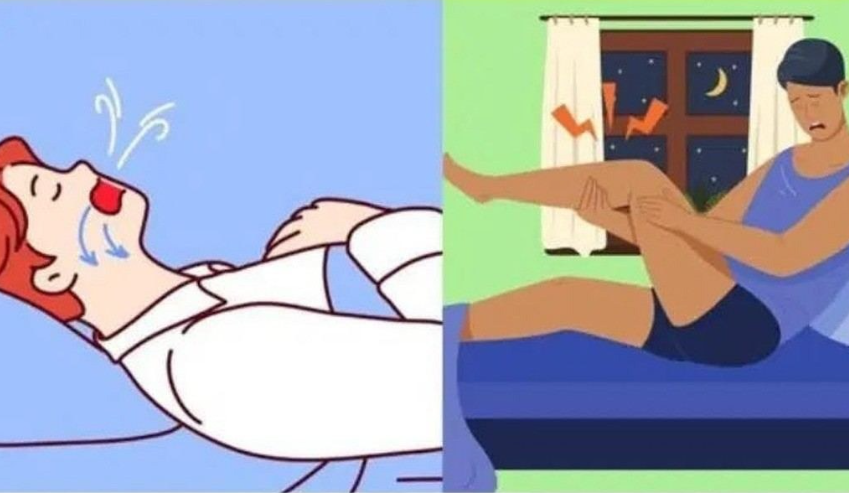
7. The Silent Scream: Leg Cramps and Restless Legs
There’s a significant connection between diabetes and the peripheral nervous system. Electrolyte imbalances caused by frequent urination, combined with early-stage nerve irritation (neuropathy), can cause painful leg cramps or the “antsy” sensation of Restless Legs Syndrome. These discomforts often peak during the night, making it difficult to find a comfortable position for sleep.
8. The Blurred Awakening: Temporary Vision Shifts
If your vision is blurry or out of focus as soon as you wake up, but clears after an hour or so, this may be the result of an “osmotic shift.” Fluctuating blood sugar can cause the lens of the eye to swell as it absorbs excess fluid from the bloodstream. This temporary change in the shape of your lens alters your focus. Though it clears up with time, this vision shift is a warning sign for the long-term health of your retinas.
9. Nocturnal Hunger and Unexplained Weight Loss
In advanced Type 2 or early Type 1 diabetes, the body becomes resistant to insulin or lacks enough of it, meaning it can’t use glucose for energy. Despite high blood sugar levels, the body essentially “starves” because it can’t absorb the sugar. As a result, it begins burning fat and muscle tissue for energy, leading to unexplained weight loss and ravenous hunger, which can wake you in the middle of the night, desperate for food.
Taking Action
Recognizing these signs is important, but taking action is critical. Nocturnal disruptions are one of the most telling pieces of the metabolic puzzle. If these symptoms persist for two weeks or longer, it’s essential to seek clinical verification. Tests like the HbA1c (which measures your average blood sugar over three months) can provide a more accurate picture of what’s happening in your body.
Fortunately, small, intentional changes—like eating a bedtime snack rich in protein and healthy fats (think almonds or Greek yogurt)—can help prevent the overnight lows that lead to sweating and heart racing. Staying hydrated throughout the day and ensuring a cool, comfortable sleeping environment also supports your body’s natural insulin sensitivity.
Remember, these symptoms are not a reflection of personal failure. Diabetes is a complex interplay of genetics, environment, and stress. If your body is signaling these signs, it’s not trying to scare you—it’s trying to protect you. By listening to these whispers, you can take the necessary steps to protect your health and enjoy truly restorative sleep.