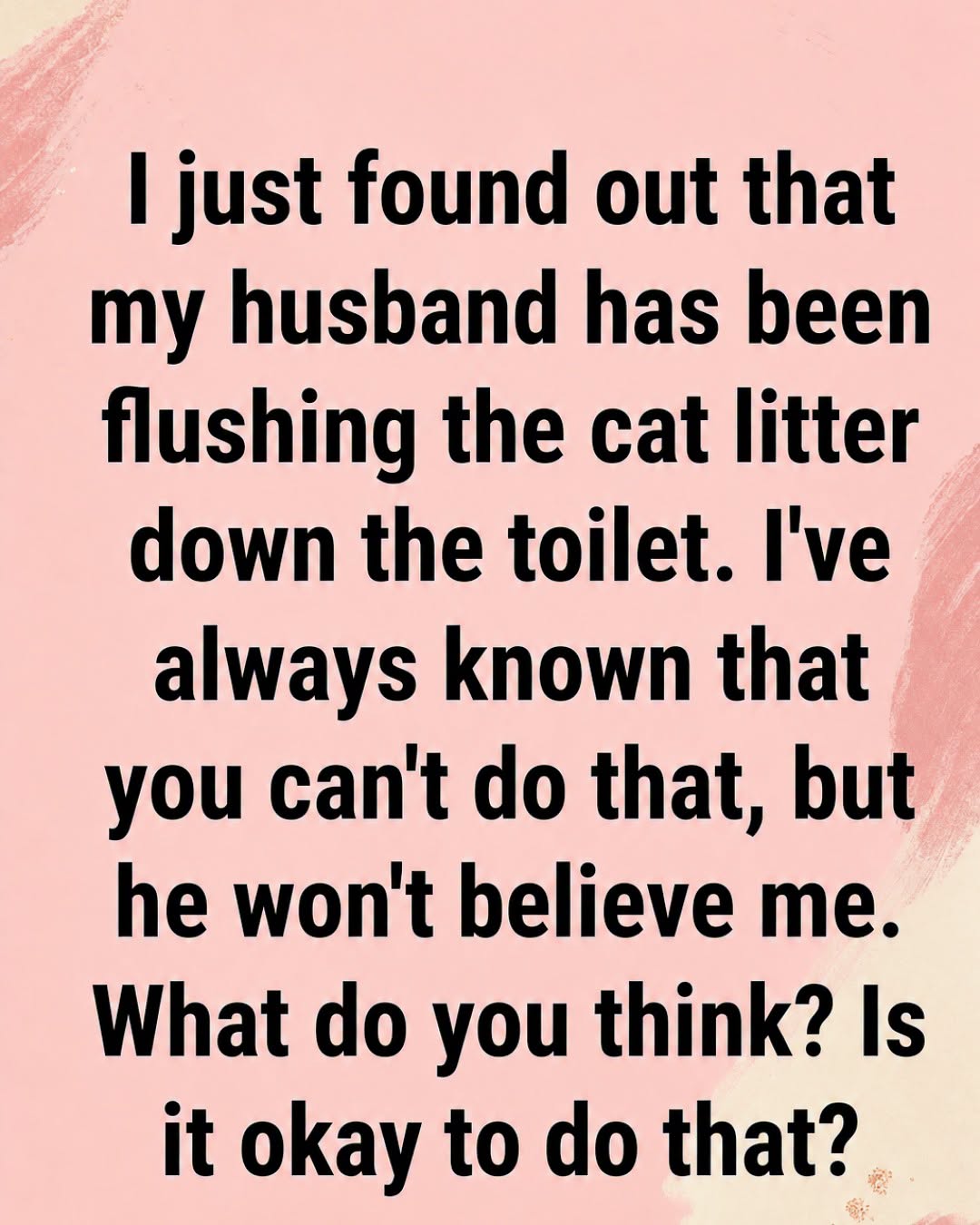
Your toilet isn’t swallowing your mistakes. It’s storing them. Every “just this once” flush of wipes, hair, or grease doesn’t vanish—it waits, clinging to pipes, building a hidden blockage that could explode into a nightmare at the worst possible moment. One careless habit, six common items, and a disaster you’ll only notice when it’s already too late. What disappears from sight does not necessarily disappear from your plumbing. Sometimes, the problem is simply moving somewhere you cannot see it yet.
Most toilets are built for one simple job: handling human waste and toilet paper. Everything else is an uninvited guest in your plumbing. Hair tangles, floss snares, cotton and wipes clump together, while grease hardens like concrete deep in your pipes. The result often isn’t instant. It creeps up slowly: a weaker flush, a gurgle, a rising water line that makes your heart stop for a second. By the time the warning signs become obvious, the blockage may already be much deeper than the toilet bowl itself.
One of the biggest mistakes people make is assuming that if something disappears after a flush, the plumbing has successfully handled it. Water can carry an object away from view without actually carrying it safely through the entire drainage system. Materials that do not break down easily can become caught on rough sections of pipe or existing buildup. Other debris then attaches to that obstruction, gradually creating a larger mass.
Wipes are a classic example. Even products marketed as “flushable” may not break apart as quickly or as completely as ordinary toilet paper. Once they encounter other debris inside the plumbing, they can contribute to clogs. Floss can create another problem because it is thin, strong, and capable of wrapping around hair or other material. A single piece may seem harmless, but repeated flushing can turn small amounts of waste into a tangled obstruction.
Hair is another common culprit. It may seem strange to think of a few strands as a plumbing problem, but hair is remarkably good at catching other material. Once it becomes trapped, it can form a net that collects additional debris. Cotton swabs and similar products can also become lodged in pipes rather than breaking down the way toilet paper does.
Then there is grease.
Pouring grease down a sink is already a bad plumbing habit, but putting it anywhere near a toilet is even more problematic. Grease may begin as a liquid when warm, but as it cools, it can solidify and stick to the inside of pipes. Over time, layers can accumulate and reduce the space available for water to pass through. What begins as a small coating can eventually become part of a much larger blockage.
The danger is that these problems often develop quietly. There may be no dramatic warning at first. The toilet still flushes. The water still disappears. Everything appears normal. Then one day the flush becomes weaker. Perhaps the bowl takes longer to drain. Maybe you hear an unusual gurgling sound from the pipes. The water level may rise higher than normal before slowly falling again.
Those are not noises to ignore.
A gurgling toilet can indicate that air and water are struggling to move properly through the plumbing. A slow drain can suggest developing resistance somewhere in the system. Repeatedly needing to flush may also be a sign that something is interfering with normal flow. None of these symptoms automatically means a major blockage is about to occur, but they are useful warnings that something may not be working as it should.
Choosing the trash instead of the bowl feels insignificant in the moment, but it’s exactly what protects your home from those slow, silent buildups that end in panic, mess, and expensive repairs. A small wastebasket beside the toilet, a clear rule for kids—“only waste and toilet paper”—and a pause before you flush are usually all it takes. Those few extra seconds of care are the difference between a working bathroom and an overflowing one.
The same rule applies when guests are visiting. Not everyone knows what a particular plumbing system can handle, and visitors may assume that anything small enough to fit inside the toilet can safely be flushed. A simple sign or polite reminder can prevent an embarrassing problem later. It may feel unnecessary until the alternative is standing in ankle-deep water wondering how something so small caused such a large disaster.
Households with children should be especially clear about the rule. Kids may experiment, flush objects out of curiosity, or simply assume that the toilet is another kind of trash can. Teaching them what belongs in the bowl and what belongs in the wastebasket can prevent problems long before they start. The rule does not need to be complicated: human waste and toilet paper go into the toilet; everything else goes somewhere else unless a plumber or the manufacturer specifically says otherwise.
There is also a financial reason to take the habit seriously. A small wastebasket costs very little. A basic change in household behavior costs nothing. A professional plumbing visit, however, can become expensive if a blockage develops deep inside a drainage line or causes water damage. Prevention is not glamorous, but it is often far cheaper than repair.
And if a toilet does begin behaving strangely, ignoring it usually does not make the problem disappear. Repeated flushing can make an overflowing bowl much worse. If the water begins rising, stop flushing and address the problem before it spills onto the floor. A plunger may solve a simple clog, while persistent or severe problems may require professional help.
The important thing is to recognize that your plumbing is a system, not a magical disappearance machine. What you put into it has consequences. Toilet paper is designed to break down relatively quickly in water. Many everyday products are not. The fact that an item seems tiny or soft does not mean it belongs in the toilet.
That is why the safest habit is also the simplest one: when in doubt, use the trash.
Your future self will probably never notice the flushes you chose not to make. There will be no applause for putting a cotton swab in the wastebasket or throwing away a strand of floss. Nothing dramatic happens when you make the right choice.
And that is exactly the point.
Good plumbing habits are invisible when they work.
The disaster only becomes visible when they don’t.