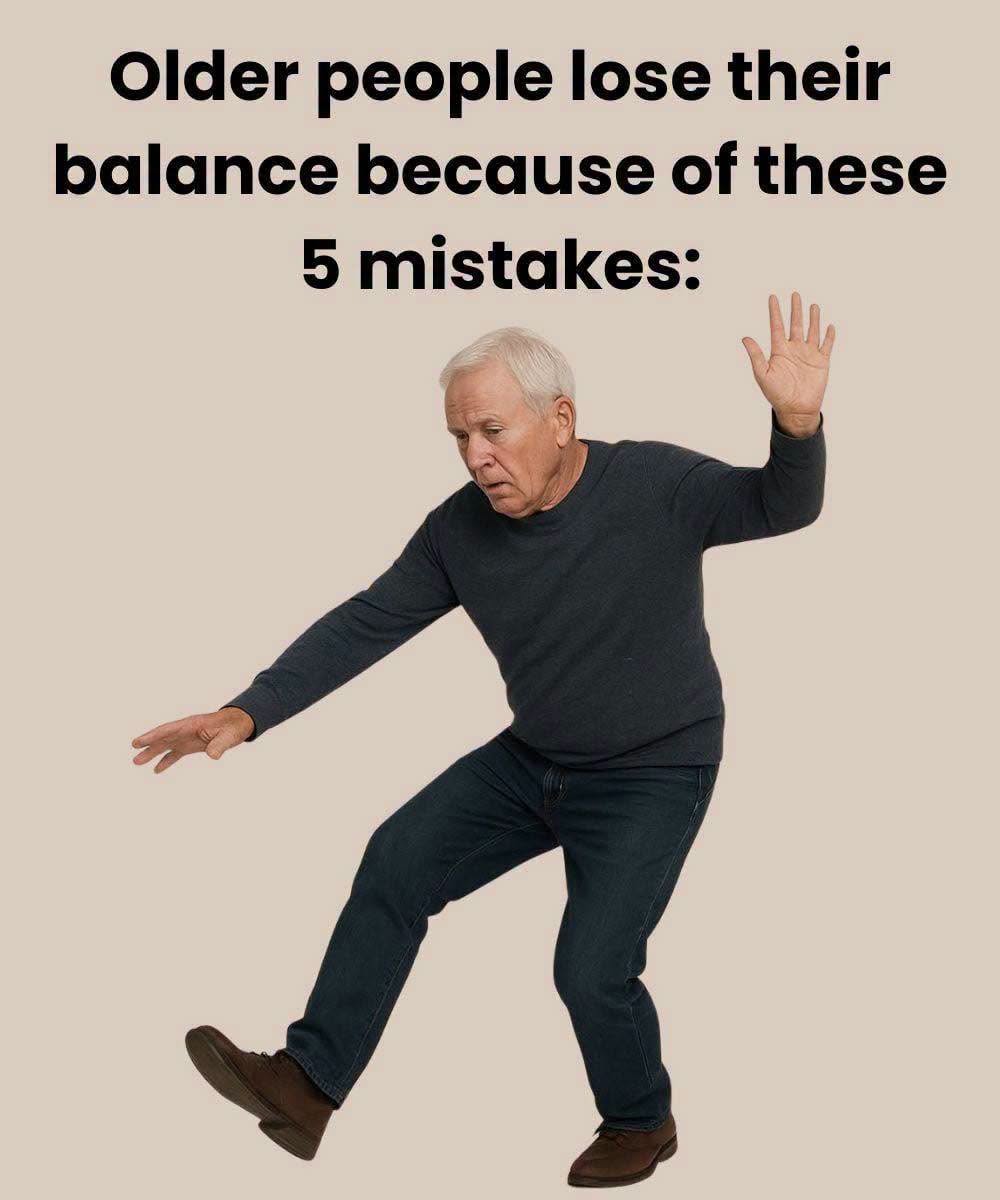
5 Common Mistakes That Cause Older People to Lose Their Balance
These Everyday Habits Can Increase the Risk of Falls After 60—And Simple Changes May Help Older Adults Stay Steady and Independent.
Losing your balance as you get older is not something you should automatically accept as a normal part of aging. Although balance can change over time, certain everyday habits, medical conditions, and environmental hazards can make walking and standing less safe.
For many older adults, a fall can mean more than a bruise. It can lead to fractures, a loss of confidence, and a growing fear of moving around independently.
The good news is that understanding common balance mistakes can help older adults and their families take practical steps to reduce fall risks.
Here are five common mistakes worth paying attention to.
1. Avoiding Exercise Because of Fear of Falling
<AsyncImage query=”older adult performing gentle balance exercises standing beside sturdy chair at home” aspectRatio=”16:9″ width=”100%”/>
After experiencing a stumble or fall, many older adults become afraid of moving too much. They may stop taking walks, avoid stairs, or spend more time sitting throughout the day.
Although the fear is understandable, avoiding movement can gradually weaken the muscles needed for stability.
Leg strength, coordination, and balance all help the body respond when a person trips or encounters an uneven surface.
What can help: With a healthcare professional’s guidance when needed, incorporate appropriate activities such as walking, sit-to-stand exercises, and supported balance exercises. Tai chi and structured balance programs can also benefit many older adults.
Anyone with frequent falls or significant dizziness should seek assessment before attempting challenging exercises alone.
2. Wearing Shoes That Do Not Provide Enough Support
<AsyncImage query=”older adult comfortable supportive walking shoes with non slip rubber soles close up” aspectRatio=”16:9″ width=”100%”/>
Footwear can make a meaningful difference when it comes to stability.
Loose slippers, worn-out shoes, high heels, and footwear with slippery soles can make it harder to maintain a secure footing. Shoes that do not fit properly may also cause discomfort or alter the way someone walks.
Walking in socks on smooth floors can create an additional slipping hazard.
What can help: Choose well-fitting shoes with secure fastenings, a stable heel, and soles that provide good traction. Replace worn footwear and consider having persistent foot pain or changes in foot shape assessed by a professional.
3. Standing Up Too Quickly
<AsyncImage query=”older adult sitting on edge of bed before standing up safely in morning” aspectRatio=”16:9″ width=”100%”/>
Have you ever stood up quickly and felt lightheaded for a moment?
This can happen when blood pressure drops after changing position, a condition known as orthostatic hypotension. It is more common in older adults and may be associated with dehydration, certain medications, or medical conditions.
The resulting dizziness or blurred vision can increase the risk of falling.
What can help: Move gradually from lying down to sitting and then standing. Pause before walking, especially after waking up. If you feel dizzy, sit or lie down somewhere safe rather than trying to push through it.
Frequent or persistent lightheadedness deserves medical attention. A healthcare professional can review blood pressure and medications and investigate possible causes.
4. Ignoring Medication Side Effects
<AsyncImage query=”older adult reviewing prescription medication list with healthcare professional at clinic” aspectRatio=”16:9″ width=”100%”/>
Some medications can cause drowsiness, dizziness, blurred vision, or changes in blood pressure.
These effects may occur with certain sleep medications, sedatives, some antidepressants, blood pressure medicines, and other drugs. Taking several medications can sometimes increase the risk.
The mistake is assuming that a new episode of unsteadiness is simply caused by getting older.
What can help: Ask a doctor or pharmacist to review all prescription medicines, over-the-counter products, and supplements, particularly if balance problems began after starting a new medication or changing a dose.
Never stop or change a prescribed medicine without appropriate medical guidance.
5. Leaving Trip Hazards Around the Home
<AsyncImage query=”home safety fall prevention clear hallway with secure handrails good lighting older adult” aspectRatio=”16:9″ width=”100%”/>
A familiar home can still contain hazards that increase the likelihood of a fall.
Loose rugs, electrical cords, cluttered walkways, poorly lit stairs, and slippery bathroom floors can all create problems. Even a small object left in a hallway may become dangerous when someone has reduced vision or difficulty lifting their feet.
What can help:
Remove loose rugs or secure them with appropriate nonslip backing.
Keep hallways and frequently used walking routes clear.
Install secure handrails on stairs and grab bars where appropriate in bathrooms.
Improve lighting, particularly near stairs, entrances, and the bedroom-to-bathroom route.
Keep commonly used items within easy reach to reduce unnecessary climbing or stretching.
Small changes around the home can make everyday movement safer and help older adults maintain independence.
Other Warning Signs You Should Not Ignore
Balance problems do not always result from everyday habits. Vision changes, inner-ear disorders, nerve problems, muscle weakness, and other medical conditions can affect stability.
Arrange a medical assessment if balance difficulties are new, recurring, worsening, or causing falls.
Seek emergency medical help if sudden loss of balance occurs alongside facial drooping, weakness or numbness on one side, difficulty speaking, severe headache, or sudden vision changes. These can be signs of a stroke.
The Bottom Line
Maintaining balance as we age involves more than simply being careful. It requires adequate strength, appropriate footwear, safe surroundings, attention to medication effects, and awareness of symptoms that may need medical evaluation.
The most important lesson is that frequent loss of balance should not automatically be dismissed as an inevitable part of getting older.
With appropriate assessment and practical preventive measures, many older adults can improve their stability, reduce their risk of falling, and continue enjoying their daily activities with greater confidence.