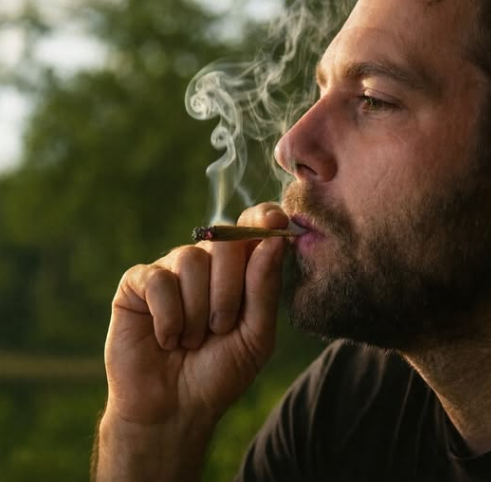
As adults progress through their late twenties and early thirties, the pace and complexity of life often intensify, and with it, the scrutiny of lifestyle choices becomes more prominent. Studies focusing on habits like cannabis use frequently make headlines, often accompanied by sensationalist interpretations that suggest immediate risk or dramatic consequences. Yet, the actual body of scientific research is far more measured, nuanced, and context-driven. Researchers are not aiming to provoke fear or create panic; their goal is to understand how long-term behaviors and routines influence overall health, emotional balance, and day-to-day functioning. The underlying message is straightforward: the choices we make consistently, over weeks, months, and years, gradually shape the quality of our energy, mental clarity, and ability to navigate the growing responsibilities that adulthood inevitably brings. By the time individuals reach this stage of life, many aspects of their existence have begun to stabilize—careers are taking shape, relationships and family roles evolve, and personal goals gain greater definition and importance. How one manages time, stress, and habits becomes a determining factor in sustaining long-term well-being.
Old habits, whether related to sleep patterns, stress management, social engagement, or recreational behaviors, often solidify during this period. Scientists studying adult cannabis use frequently focus on these patterns, examining how consistent consumption interacts with motivation, cognitive function, emotional resilience, and lifestyle organization. The intention is not to assign moral judgment but to provide clarity. Every habit, even one that seems harmless, interacts with other areas of life in subtle ways. Regular use of cannabis, for instance, might influence productivity rhythms, sleep quality, or stress response, depending on the context in which it is used. The research emphasizes awareness over admonition, inviting adults to consider whether a particular habit actively supports their long-term objectives or introduces small but accumulating challenges that may hinder overall progress.
Importantly, cannabis consumption is not a monolith; it varies widely among adults in terms of purpose, frequency, and intention. Some individuals use it deliberately as a tool for relaxation after a stressful day, allowing their minds and bodies to decompress. Others engage with it primarily in social settings, where it functions as a bonding mechanism, an icebreaker, or a way to participate in shared rituals with friends. Some adults follow established routines without deeply reflecting on the role it plays in their lives. Researchers emphasize the importance of understanding this context rather than labeling the habit itself as inherently “good” or “bad.” By considering why and how one engages with cannabis, individuals can better gauge whether it complements a balanced lifestyle or subtly undermines other priorities. Questions such as “Does this help me maintain emotional balance?” or “Is this the most effective and healthy way to manage stress?” serve as practical tools for self-reflection.
The research also highlights that patterns established in the late twenties and early thirties can have compounding effects over time. Habits that provide short-term relief or enjoyment may accumulate unintended consequences if they interfere with sleep, energy levels, focus, or interpersonal relationships. Conversely, routines that prioritize restorative rest, mindful recreation, and intentional engagement with work, friends, and family contribute to resilience, sustained motivation, and long-term satisfaction. Researchers encourage adults to adopt a perspective of mindful evaluation, recognizing that lifestyle decisions do not exist in isolation but influence multiple domains simultaneously. By periodically reviewing and adjusting habits, individuals can align daily practices with broader life goals, rather than allowing inertia or societal expectation to dictate behavior.
Entering one’s thirties often brings a heightened awareness of personal responsibility and long-term vision. People begin to reflect more critically on their physical health, emotional well-being, and career trajectories. Thoughtful reflection about recreational habits, including cannabis use, becomes part of a larger pattern of conscious self-care. Researchers emphasize that reflection, intentionality, and context-sensitive assessment are far more valuable than fear-based decisions or guilt-driven change. Adults are encouraged to consider not just the immediate effects of a habit, but its cumulative impact on energy, productivity, relationships, and overall satisfaction over months and years. Small, informed adjustments in routine can significantly enhance quality of life, often more than radical or abrupt interventions.
Ultimately, the message that emerges from the scientific literature is one of mindfulness and empowerment rather than alarm. Long-term habits are a reflection of lived experience, personal values, and environmental context. By understanding how individual choices interact with broader lifestyle patterns, adults can make informed decisions that support mental clarity, emotional resilience, and physical well-being. Thoughtful engagement with one’s own behavior encourages a more deliberate, purposeful approach to life—one that acknowledges the realities of aging, evolving responsibilities, and the importance of creating sustainable routines. Entering adulthood with curiosity, self-compassion, and a commitment to ongoing reflection fosters a foundation for healthier, more balanced, and more intentional living. Decisions made with awareness—rather than reaction—are the choices that lead to the most fulfilling and resilient futures.