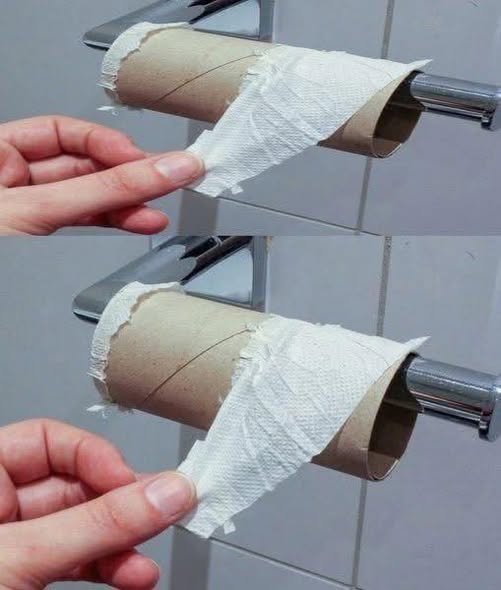
The bathroom, long seen as a private space for daily routines, is now experiencing its most significant transformation in over a century. For generations, a roll of toilet paper beside the toilet was an unquestioned fixture of life, a symbol of convenience rarely examined. But as 2026 progresses, people are rethinking small, everyday habits through the lens of sustainability. This shift is not a passing trend; it represents a deeper reconsideration of personal hygiene and its impact on the environment.
The modern bathroom story begins in the mid-19th century, when mass-produced toilet paper revolutionized cleanliness. While convenient, this innovation carried an environmental cost. Producing traditional toilet paper consumes millions of trees annually, often from ancient forests, and requires vast amounts of water and energy. Combined with plastic packaging and global shipping, the “disposable” nature of the product has become an unsustainable luxury.
As awareness grows around deforestation and water scarcity, consumers are starting to connect their bathroom habits to the health of distant ecosystems. People now seek alternatives that balance comfort with environmental responsibility, reflecting a broader zero-waste philosophy where personal trash becomes a measure of ecological impact.
Safety and transparency in household materials are also gaining importance. Modern consumers are wary of the chemical processes used to make soft, white toilet paper, including chlorine bleaching, dyes, and fragrances. This concern has fueled a “clean label” movement, emphasizing simple, natural, and unbleached products.
Water-based hygiene practices, common in parts of the East and the Mediterranean for centuries, are seeing renewed interest in Western countries. Washing with water is gentler, more effective, and reduces paper waste. The bidet, once considered a European novelty, is gaining popularity in North America and Australia, aided by digital connectivity and travel exposure.
Modern technology has made sustainable solutions accessible. Affordable bidet attachments now fit most toilets without major plumbing work. These devices provide adjustable water pressure and temperature, offering a level of comfort that surpasses traditional paper. Many see the switch as an upgrade rather than a compromise.
Reusable fabric options are also growing in popularity. Once niche, “family cloth” and organic cotton or bamboo wipes are now part of a circular economy approach. Used alongside a bidet, these cloths are employed for drying only, making the process hygienic, efficient, and eco-friendly.
Economic incentives reinforce this shift. Though bidets and reusable textiles require initial investment, households save hundreds of dollars annually by reducing disposable paper use. This combination of environmental ethics and cost-effectiveness drives widespread adoption.
Ultimately, sustainable bathroom choices reflect a philosophy of mindful living—performing even the most private actions with awareness of broader consequences. Moving away from heavy paper use is a quiet but meaningful rebellion against convenience at the planet’s expense.
By 2030, bathrooms will likely prioritize water as the main agent of cleanliness, minimize waste, and incorporate intentional design. Even the smallest changes in our daily rituals can contribute to a healthier global ecosystem, proving that thoughtful innovation in private spaces can have profound environmental impact.