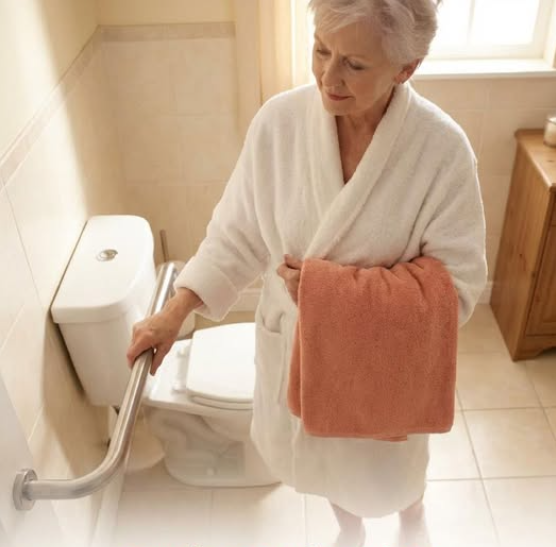
Many people characterize the onset of the golden years as a sequence of significant life changes, such as downsizing, retirement, or taking up new interests. However, some of the most significant changes take place in the most private and peaceful areas of our life. For many seniors over 65, taking a shower every day has been an essential part of their lives for decades. It’s an automatic ritual that’s just as important as having a cup of coffee in the morning or brushing their teeth. It is a habit associated with self-discipline, physical freshness, and social readiness. But as the years go by, many discover that this once-energizing practice starts to lose its appeal, turning from a revitalizing way to start the day into a cause of bodily aches or fatigue.
Knowing why showering habits tend to change beyond age 65 is a credit to biological knowledge rather than an admission of carelessness. The human body is a masterwork of adaptation, and as we get older, the skin, our greatest organ, quietly transforms. Ignoring the evolving requirements of a more delicate system would be equivalent to sticking to the same strict cleaning regimen at seventy that one did at twenty. Older folks might put their comfort and health ahead of outmoded expectations by reevaluating these practices.
The skin’s physiological evolution is the main cause of this change. Rich in collagen and supported by a steady production of natural oils called sebum, the skin remains a strong barrier throughout our youth and middle age. By acting as a waterproof barrier, these oils keep the body hydrated and shield it from outside irritants. However, the sebaceous glands drastically reduce their output around age 65. The skin loses its flexibility, which once helped it recover from the roughness of hot water and astringent soaps, and becomes thinner and more translucent.
An elderly person who takes a long, steaming shower every day is essentially depriving themselves of a protective mechanism that their body is unable to restore overnight. The outcome is “winter itch,” a persistent condition of dryness, peeling, and sensitivity that can cause tiny skin tears. These mild irritations can develop into more serious dermatological problems or even infections since the aging body also has a reduced rate of cellular repair. As a result, many medical specialists recommend that “less is more” for senior citizens. The integrity and comfort of the skin can be maintained by limiting the number of full-body baths to two or three times per week and concentrating on focused cleanliness in between.
There are the indisputable physical demands of the toilet environment in addition to the dermatological issues. According to statistics, the bathroom is one of the most dangerous spaces in a house. The cardiovascular and musculoskeletal systems can be strained by navigating a slippery tub, standing for extended periods of time beneath a strong stream of water, and breathing in the humid, oxygen-poor air in a steamy atmosphere. As we age, our balance and bone density gradually change, and the simple act of drying off—bending to dry the feet, reaching for the back—requires a degree of core strength and flexibility that can be quite taxing.
Many people believe that spacing out full showers is a smart way to save energy. It is a method of “spending” one’s physical energy on more joyful activities, such a visit with grandchildren or a stroll in the park, as opposed to wearing oneself out with a rigorous cleanliness routine. This change represents a progression toward a more effective approach to self-care, not a drop in hygiene. A “sink bath” that involves applying a warm washcloth to the face, hands, underarms, and feet is frequently more than enough to maintain high standards of hygiene on days when a complete shower is not planned. This avoids the systemic strain that comes with a full immersion.
This change’s psychological and emotional components are equally significant. Some elderly persons feel guilty or ashamed when they no longer feel the need to take daily showers in a society that frequently associates frequent bathing with “having it all together.” Dismantling these stigmas is essential. The human body flourished with far less assistance over the great bulk of our existence, making modern hygiene a relatively recent luxury. Adopting a more mild regimen is an indication of paying attention to one’s body rather than “giving up.” Recognizing that a steaming hot shower suddenly seems more like an attack than a luxury is a sign of self-respect.
A few changes can make the water ritual safer and more skin-beneficial for those who still value it. The temperature is the first and most noticeable alteration. A hot shower is the main cause of skin dehydration, even though it feels good for aching joints. Changing to lukewarm water, which is about body temperature, can stop protective lipids from dissolving too much. Second, selecting the right soap is crucial. Conventional bar soaps and body washes with strong fragrances frequently contain high pH and detergents that are too harsh for aged skin. Making the switch to creamy body washes or pH-balanced, soap-free cleansers can have a profound impact.
The last and most important phase in this modified care plan is the post-shower routine. Dermatologists frequently advise following the “three-minute rule,” which calls for using a thick, odorless moisturizer no later than three minutes after patting the skin dry. This creates an artificial barrier that resembles the oils the skin is no longer making by trapping any remaining moisture on the skin before it can evaporate. This small gesture can help ease the tightness and itching that frequently occur after a bath, transforming a potentially uncomfortable experience back into a time of indulgence.
In the end, recovering the concept of well-being is what personal care after 65 is all about. It is a path toward a kinder, more thoughtful kind of self-care that respects the body’s past and present conditions. The objective is always the same: to feel clean, comfortable, and self-assured in one’s own skin, regardless of whether one decides to take daily showers with newly discovered safeguards or switches to a hybrid regimen of sink baths and full washes. Older individuals can make sure that their hygiene practices support their health and vitality for many years to come by letting go of the inflexible habits of the past and embracing the unique requirements of the present.