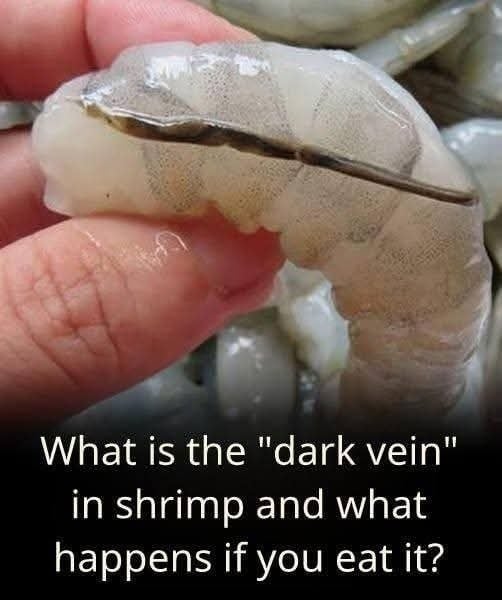
If you knew what that dark line running along the back of your shrimp actually was, you might pause for a moment before taking your next bite. It’s one of those small details in cooking that many people notice but few fully understand. Some cooks whisper about it in kitchen conversations, experienced chefs casually remove it without explanation, and diners sometimes push it aside on their plates without really knowing why. Recipes often mention “deveining” shrimp, yet they rarely stop to explain exactly what that mysterious dark line is or why it matters. The uncertainty leaves many people wondering: is it dangerous to eat, is it something unpleasant that should always be removed, or is it completely harmless and mostly cosmetic? The truth is a bit more nuanced than most people expect, and once you understand what that line really is and what role it plays, the whole question becomes much less mysterious and far less alarming.
That dark “vein” running along the back of a shrimp is not actually a vein at all. Despite its name and appearance, it has nothing to do with blood circulation. In reality, it is the shrimp’s digestive tract — essentially a narrow tube that runs along the back of the shrimp’s body and contains partially digested food and waste material. The reason it’s often mistaken for a vein is simply because of its shape and color, which can resemble a thin blood vessel under the shell. However, shrimp do not have veins in the same sense that mammals do. This tract is simply part of the animal’s digestive system. In most cases, when shrimp are properly cleaned and cooked, the presence of this tract does not pose any health risk. It is generally considered safe to eat, especially after the shrimp has been thoroughly cooked at high temperatures. The real discussion around it is less about safety and more about factors such as taste, texture, and overall presentation.
For larger shrimp in particular, the digestive tract can sometimes contain small particles of grit, sand, or bits of undigested material from what the shrimp had eaten before it was harvested. While these tiny particles are not harmful, they can occasionally create an unpleasant sensation when eaten, giving a slightly gritty texture that some people notice immediately. In addition, the contents of the tract can subtly affect the flavor of the shrimp, especially in delicate dishes where the natural sweetness and clean taste of the seafood are meant to stand out. In those situations, leaving the tract intact might slightly muddy the flavor or create a less refined eating experience. This is why many chefs and home cooks choose to remove it, particularly when preparing large shrimp that will be served whole and prominently displayed on a plate.
Deveining shrimp, therefore, is more about preference and presentation than strict necessity. In professional kitchens, removing the tract is often done for aesthetic reasons. When the shrimp is split open and the dark line is removed, the result looks cleaner and more appealing, especially in elegant dishes where the shrimp is meant to be the visual centerpiece. For jumbo shrimp served grilled, sautéed, or arranged in seafood platters, deveining helps create a smoother bite and a more polished appearance. However, in many everyday cooking situations, the process is not considered essential. Smaller shrimp, particularly those used in soups, stews, curries, fried rice, pasta sauces, or stir-fries, are often cooked and served without any deveining at all. Because they are so small, the tract is barely noticeable, and the cooking process itself usually minimizes any texture differences.
For home cooks, understanding this simple fact can remove a surprising amount of kitchen anxiety. Many people assume that failing to remove the dark line is a mistake or even a health risk, when in reality it’s simply a culinary choice. Some cooks prefer to take the extra minute to remove it for peace of mind and presentation, while others skip the step entirely when time is short or when the shrimp will be chopped, mixed, or cooked into a dish where it won’t be noticeable. Both approaches are perfectly acceptable and widely practiced around the world.
Once you understand exactly what that dark line is — and what it isn’t — the mystery surrounding shrimp preparation disappears. What once seemed like a questionable or even alarming detail becomes simply another small decision in the cooking process. Instead of worrying about whether it’s safe to eat, you can focus on the real factors that matter: flavor, texture, and how the shrimp will appear in the final dish. With that knowledge, what once felt like a hidden culinary secret turns into a straightforward choice that every cook can make with confidence.