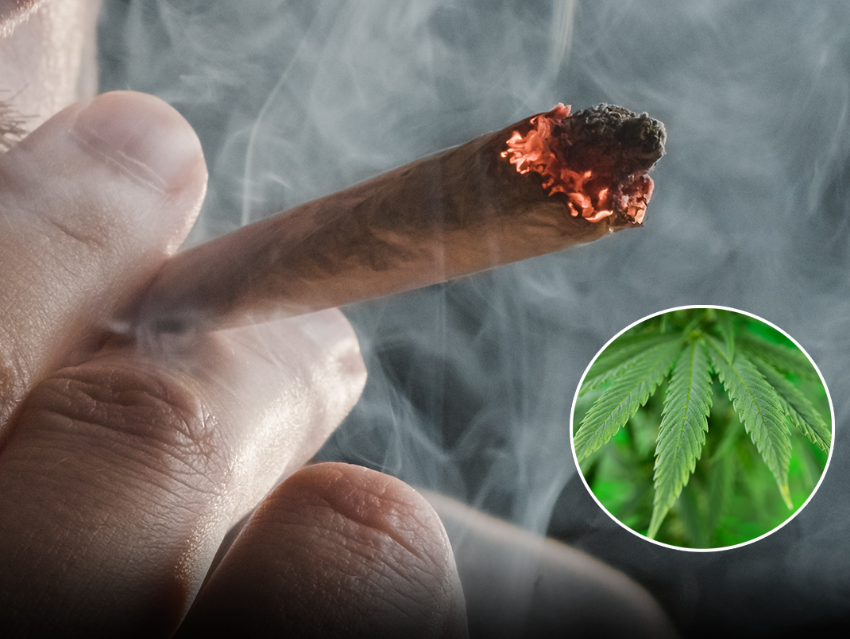
Doctors are watching patients stagger into emergency rooms in growing numbers, their bodies wracked with pain, their faces pale and contorted, their movements unsteady. Some scream in agony, while others retch violently until they collapse from sheer exhaustion. This isn’t a scene from a horror movie or a dramatized medical thriller — it’s real life. And the source of this torment is a substance that many people assume is completely safe: cannabis. Patients arrive clutching their stomachs, desperate for relief, and try every conceivable remedy. They take hot showers that temporarily soothe their burning skin, smear on blistering creams that do little more than sting, or swallow antipsychotic medications in hope of quieting the chaos within. Still, the attacks return, stronger and more relentless each time. Over months and years, the relentless cycle begins to erode not only the body but also the fabric of daily life: jobs are lost, relationships fray, and physical and mental health deteriorates, leaving patients trapped in a nightmarish loop of suffering that seems to have no end.
For many individuals, this journey begins innocuously. What starts as casual use of cannabis, perhaps to help with sleep, alleviate chronic pain, or manage stress, slowly escalates. Medical prescriptions or recreational habits feel harmless — even beneficial — and for a time, they seem to work. But then, without warning, the body rebels. Waves of nausea hit with terrifying intensity, violent vomiting tears through the stomach, and searing abdominal pain becomes almost unbearable. The sufferers are left bewildered and desperate, navigating a maze of hospital visits, laboratory tests, imaging scans, and specialist consultations, only to hear again and again that nothing abnormal is showing up. The bills mount, anxiety grows, and the frustration deepens as standard medications — anti-nausea drugs, painkillers, even intravenous fluids — offer only temporary or negligible relief.
It is only when someone — a doctor, a patient, or an observant caregiver — makes the connection to Cannabis Hyperemesis Syndrome (CHS) that the horrifying truth emerges. The very substance these individuals trusted to relax their minds or soothe their bodies has turned against them. Cannabis, once a source of relief, now triggers repeated and debilitating bouts of sickness, leaving the body in a state of chronic torment. This revelation is jarring, painful, and difficult to accept, because it turns a familiar friend into a hidden enemy.
Finding relief, however, comes with a stark, almost cruel prescription: stop using cannabis entirely. The solution is simple in theory but extraordinarily challenging in practice. For some, the decision to quit becomes a turning point. Slowly, painstakingly, they begin to reclaim their health, their routines, and a sense of control over their lives. For others, the temptation proves overwhelming, and they relapse, often convinced that this time, things will be different. Yet each relapse only drags them back into the harsh fluorescent lights of emergency rooms, repeating a cycle of suffering that is physically exhausting and emotionally devastating.
As research into CHS advances and recognition of the syndrome spreads through the medical community, the pattern is clear and alarming: cases are increasing, awareness is still low, and the consequences of ignorance can be severe. For patients, caregivers, and medical professionals alike, one lesson stands out: awareness is no longer optional. Understanding the risks, recognizing the symptoms, and taking early action is not just helpful — it is the only true protection against a condition that quietly, insidiously hijacks the very substance people often consider harmless. In the face of CHS, knowledge and vigilance may be the only shields between ordinary life and repeated medical crises that threaten to unravel everything the affected individuals hold dear.