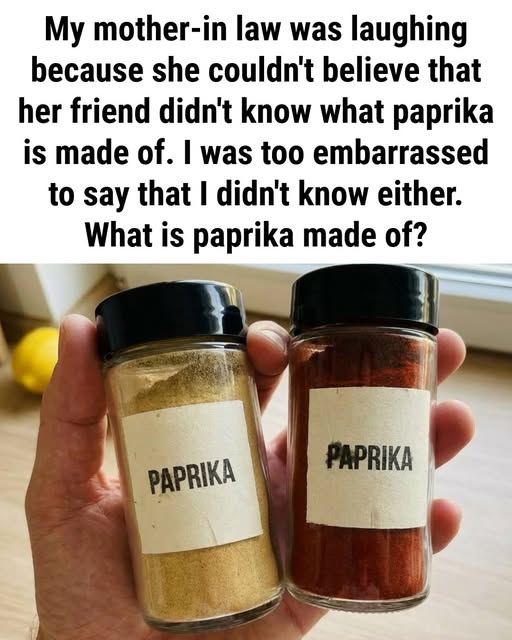
In the pantheon of the kitchen spice rack, few residents are as ubiquitous—or as misunderstood—as paprika. This vibrant, crimson powder adds smoky depth to Hungarian goulash, a decorative touch to deviled eggs, and subtle warmth to roasted potatoes. For generations, home cooks have reached for the iconic red tins without a second thought, treating the spice as elemental—a given. Yet a recent wave of viral revelations on social media has upended this domestic assumption, leaving millions surprised by a simple truth: paprika does not come from an exotic “paprika tree,” nor is it a mysterious blend of ancient roots. It is simply dried and ground red bell peppers.
The shock reverberated across TikTok and Instagram as influencers and food scientists shared behind-the-scenes looks at spice production. One viral post from Australian brand Nutra Organics summed up the collective epiphany: “Learning that paprika is just dried and crushed red capsicum was really shocking. I thought there was a paprika tree somewhere.” Comment sections turned into confessional spaces, with users admitting they had imagined everything from rare seed pods to desert shrubs. Discovering that one of the world’s most beloved spices is merely a dehydrated vegetable felt, to many, like a culinary glitch in the matrix.
This widespread misconception reflects a larger disconnect in the modern food system. With globalized supply chains and heavily processed ingredients, we have lost touch with the connection between the whole plant and the powdered result. Spices are often seen as “faraway treasures,” echoes of the ancient spice trade, when black pepper and cinnamon were worth their weight in gold. Learning that paprika is simply concentrated red pepper strips away that exoticism, revealing a surprisingly humble reality.
The Botanical Reality: From Vine to Tin
Paprika comes from Capsicum annuum. While many associate peppers with heat, the varieties used for paprika are mostly sweet or mild. The powder’s flavor—sweet, hot, or smoked—depends on the pepper variety and drying method.
In Hungary, the spiritual home of paprika, the spice is classified into grades by color and pungency. The most common is “Noble Sweet” (Édesnemes), which provides the rich color and mild flavor most recognize. In Spain, paprika is called pimentón and often carries a smoky note from traditional drying over oak fires. Across regions, however, the ingredient remains the same: fully ripened red peppers, dehydrated and ground into powder.
The Art of Transformation
Turning a bulky, watery vegetable into fine, shelf-stable powder is a feat of food preservation. Peppers must fully ripen; only when deep red do they develop the sugars and pigments essential for quality paprika.
Traditionally, peppers were strung in long garlands called fűzér and hung to sun-dry. Today, industrial dehydrators ensure consistency and safety. Once brittle, the peppers are ground in high-speed mills. Flavor can be manipulated at this stage: seeds and membranes are removed for a mild, sweet powder, or left in for a hot, spicy kick. One pound of paprika can require up to ten pounds of fresh peppers.
The DIY Revelation
Social media trends encouraged people to try making paprika at home—a slow but rewarding process yielding far more vivid flavors than store-bought tins. Slice ripe red peppers thinly, dehydrate them at low heat (around 140°F) until cracker-dry, and grind them into powder. The result is a garden-fresh aroma—sweet, earthy, and floral—revealing just how accessible this celebrated spice truly is.
Why the Truth Matters
Does knowing the origin of paprika change its taste? Physically, no. Psychologically, absolutely. Understanding that a smoky stew owes its flavor to nothing more than a common vegetable demystifies the kitchen, making cooking feel approachable and transparent.
Freshness also matters. Paprika is essentially a dried produce item, and like any dried herb or vegetable, it loses flavor over time. Most culinary experts suggest replacing paprika older than six months, as it may have faded to little more than a red coloring agent.
The “Paprika Revelation” is more than a viral trend—it’s a sign of growing food literacy. Rediscovering the humble red pepper behind the brilliant crimson powder connects us to the origins of our sustenance. Next time you dust a dish with paprika, remember: you’re adding the concentrated, sun-dried legacy of a simple, yet remarkable, vegetable—a kitchen workhorse finally celebrated online.