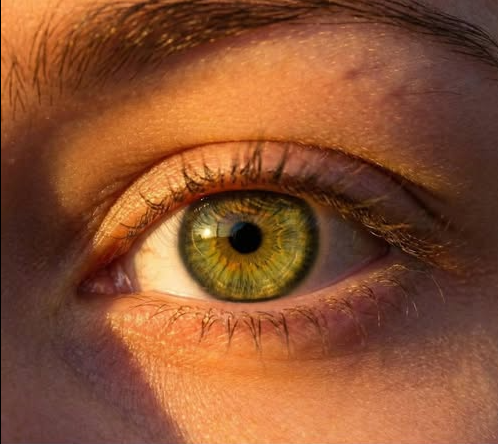
Green eyes have long captured the imagination of people across the globe, often celebrated for their uniqueness, depth, and association with creativity. Because only a small fraction of the world’s population naturally possesses green eyes, the color tends to stand out immediately, drawing attention in a subtle but undeniable way. This rarity contributes to the fascination surrounding them, as people often perceive green eyes not just as a physical trait, but as a symbol of individuality and intrigue. Throughout history, countless cultures have woven stories, myths, and symbolism around green eyes, sometimes associating them with magic, mystery, or even supernatural qualities. Writers, poets, and artists have frequently highlighted the allure of green-eyed individuals, seeing in them an embodiment of charisma, intelligence, or a certain enigmatic charm. Whether admired purely for their aesthetic beauty or for the air of mystery they convey, green eyes continue to inspire curiosity and fascination wherever they are seen.
From a scientific standpoint, green eyes present a captivating example of the complex interplay between biology and light. Unlike what their appearance might suggest, there is no green pigment in the iris. Instead, the distinctive color arises from a combination of low levels of melanin and the presence of a naturally occurring yellowish pigment called lipochrome. When light enters the eye, it interacts with these pigments in a way that scatters the light—a process known as the Tyndall effect—creating the rich green hues that are so recognizable. This same interaction explains why green eyes can appear to shift in tone or brightness depending on the surrounding light or the colors around them. In one moment, they may seem a soft emerald; in another, a deep forest green; and in yet another, they can almost shimmer with hints of gold or blue. This dynamic quality gives green eyes a chameleon-like ability to reflect their environment, adding to the sense of mystery and allure they naturally carry.
People with green eyes may also experience certain sensitivities due to the lower concentration of melanin in their irises. Melanin serves as a natural shield against sunlight, meaning that lighter-colored eyes—including green—can be more sensitive to bright light and, in some cases, may be slightly more prone to visual discomfort in strong sunlight. While these sensitivities are generally minor and do not pose serious health risks, they underscore the importance of simple protective measures such as wearing sunglasses outdoors, avoiding prolonged exposure to intense light, and scheduling regular eye examinations. Taking these precautions can help ensure long-term comfort and eye health, allowing individuals to enjoy the beauty of their green eyes without strain.
Culturally, green eyes have long carried layers of meaning and significance. In European folklore, for example, green eyes were often linked to intuition, independence, or a hint of mystery. Writers and filmmakers across centuries have leveraged green-eyed characters to embody charisma, inner strength, or unconventional beauty. In literature and art, the rarity of green eyes often served as a visual shorthand for someone extraordinary or otherworldly, reinforcing the idea that these eyes were windows into a person’s unique character. Beyond Europe, green eyes have inspired fascination in various cultures, sometimes associated with luck, magic, or even wisdom. Today, the intrigue surrounding green eyes persists not only because of their rarity, but also because they encapsulate a delicate blend of science, symbolism, and personal identity.
Ultimately, appreciating green eyes involves recognizing both the biological intricacies that produce their color and the rich tapestry of meaning and stories that humanity has built around them. Their beauty is not solely in the hue itself, but in the individuality, wonder, and inspiration they evoke. To behold a pair of green eyes is to witness the subtle dance of light and biology, to glimpse centuries of cultural storytelling, and to appreciate the remarkable uniqueness of a human trait that continues to fascinate and captivate across time and place.