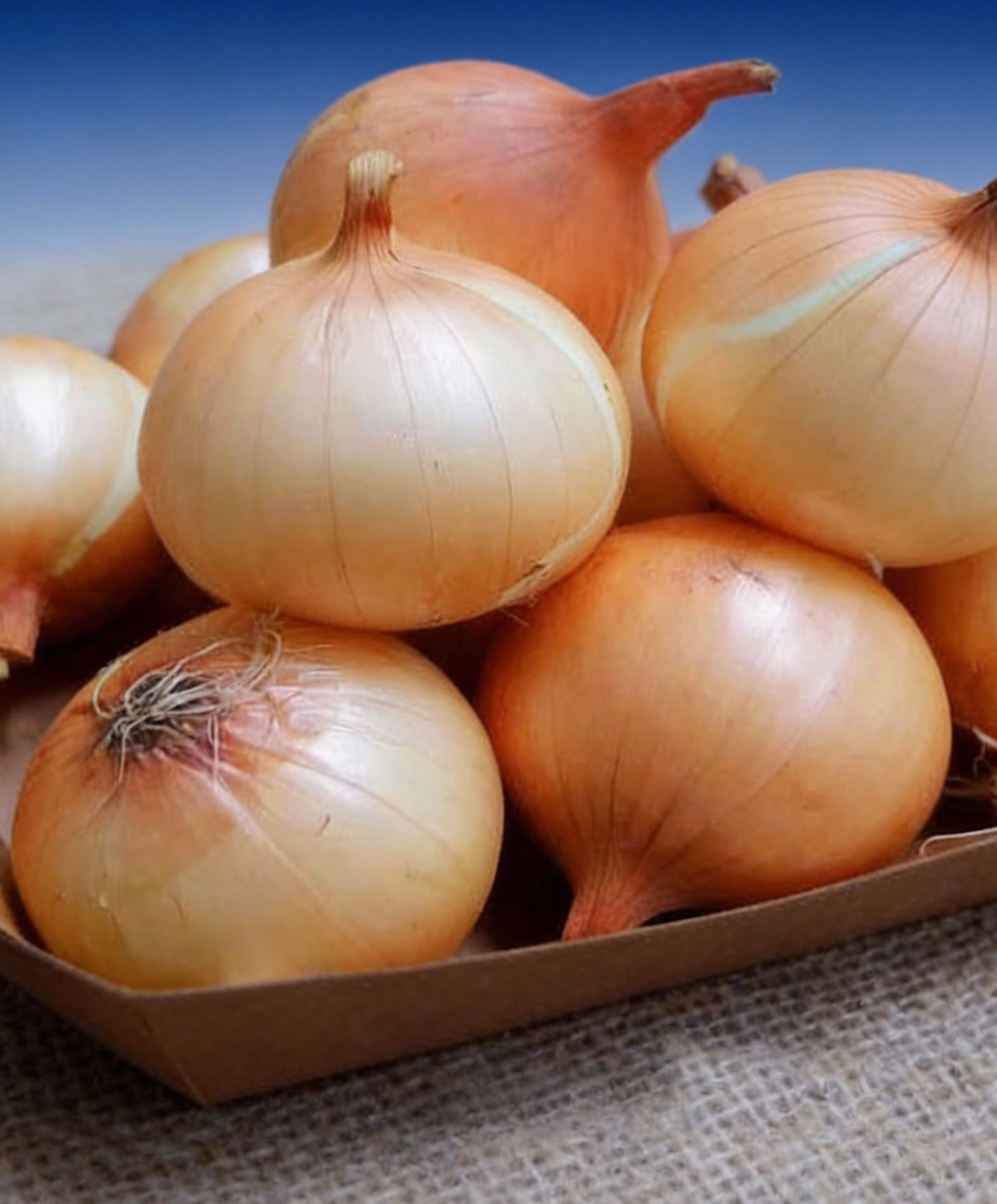
Onions are often treated as a finishing touch on a meal, a small garnish meant to add flavor or a bit of crunch, yet they hold far more value than many people realize. Beneath their sharp aroma, layered structure, and humble appearance lies a vegetable packed with nutrients and compounds that quietly support long-term health. When included regularly in a balanced diet, onions do far more than enhance taste—they provide protective compounds that help the body function at its best and maintain overall wellness.
One of the most notable features of onions is their richness in bioactive compounds. They are a particularly strong source of quercetin, a powerful antioxidant that combats oxidative stress and inflammation in the body. Alongside quercetin, onions contain sulfur compounds, vitamin C, flavonoids, and a host of other antioxidants. These nutrients work together to neutralize free radicals—unstable molecules that can damage cells and contribute to chronic diseases over time. By reducing this internal stress, onions may lower the risk of certain cancers, particularly those affecting the stomach, colon, and even esophagus. Including onions in daily meals, whether raw in salads, sautéed in dishes, or roasted for a sweeter flavor, can thus provide meaningful protection at the cellular level.
Beyond their cancer-fighting potential, onions are known for promoting heart health. Their natural compounds help support healthy blood vessels by reducing stiffness and inflammation, which in turn encourages better circulation. Studies suggest that regular consumption of onions may help lower blood pressure slightly, improve lipid profiles, and reduce the risk of cardiovascular problems when paired with an overall heart-healthy diet. Onions also contain compounds that assist in blood sugar management. For individuals with prediabetes or diabetes, integrating onions into meals can contribute to steadier glucose levels, especially when combined with proper nutrition and medical guidance.
Bone health is another area where onions prove beneficial. Research indicates that moderate onion intake is associated with improved bone density and may reduce the risk of osteoporosis, particularly in older adults. This is thought to be due to the plant’s flavonoid content, which supports the body’s ability to maintain bone strength and integrity. Additionally, onions play a role in immune function. Vitamin C and flavonoids found in onions enhance the immune system’s ability to respond effectively to infections, from minor colds to more significant illnesses. Their antibacterial and antiviral properties also contribute to overall immune defense, making onions a quietly powerful ally in maintaining health throughout the year.
Culinary versatility further enhances their value. Onions can be eaten raw, caramelized, grilled, roasted, or pickled, and each preparation method offers a slightly different flavor and nutrient profile. Raw onions provide the strongest dose of sulfur compounds and quercetin, while cooked onions tend to develop natural sweetness, which can make nutrient intake more enjoyable for those sensitive to strong flavors. Integrating onions into soups, stews, stir-fries, and even sandwiches or sauces ensures that their health benefits are paired with the flavors we love, making healthy eating both practical and delicious.
As with all good things, moderation is important. Consuming around 30 to 50 grams per day is generally sufficient to enjoy the health benefits without overwhelming the digestive system. Those with sensitive stomachs, ulcers, eye irritation, or low blood pressure should exercise caution and seek medical guidance if discomfort arises. Yet, even in small amounts, onions demonstrate that simple, everyday foods can have a profound impact on overall well-being. From protecting cells to supporting the heart, bones, and immunity, onions quietly nourish the body, one meal at a time, reminding us that sometimes the most powerful health support comes from the most humble ingredients in our kitchen.