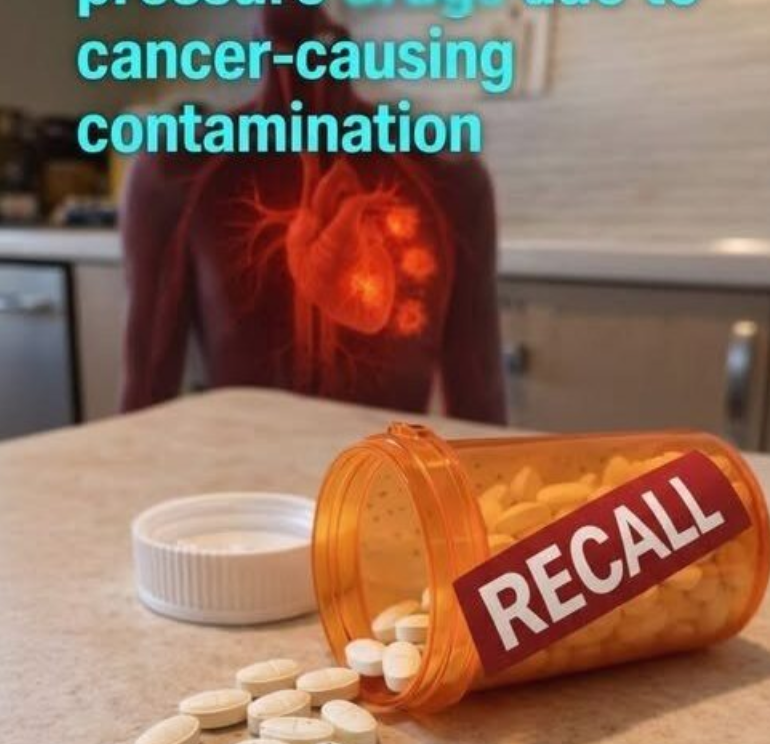
In a decisive and unprecedented action to safeguard public health, the Food and Drug Administration (FDA) has initiated a sweeping nationwide recall affecting over 600,000 bottles of ramipril, one of the most widely prescribed medications for cardiovascular care. The announcement, released in early March 2026, sent ripples through hospitals, clinics, and pharmacies across the United States, as patients and providers alike scrambled to assess whether their supplies were affected. The recall stems from serious concerns about the origin and quality of the drug’s active ingredients, which were traced back to a manufacturing facility in India that had neither been approved nor inspected by U.S. federal regulators. This breach in the global pharmaceutical supply chain has illuminated the hidden vulnerabilities of modern medicine, as millions of Americans depend on ramipril daily to manage high blood pressure, reduce the risk of heart attacks and strokes, and protect kidney function in diabetic patients.
Ramipril is part of a critical class of drugs known as Angiotensin-Converting Enzyme (ACE) inhibitors, a cornerstone of modern cardiology. By relaxing blood vessels and reducing vascular resistance, these medications stabilize blood pressure and enhance the efficiency of the heart’s pumping ability. Beyond hypertension management, ramipril is frequently prescribed as a preventative measure against cardiovascular complications, making it indispensable for patients with chronic heart disease or renal vulnerabilities. Each year, more than 2.4 million prescriptions are filled in the United States alone, underscoring the vast scope of the recall and the sheer number of patients potentially affected. For many, the sudden disruption of access to their usual medication is more than a logistical inconvenience—it is a source of anxiety and concern over maintaining stable cardiovascular health.
The recall specifically targets products manufactured by Lupin Pharmaceuticals, a significant figure in the generic drug market. The affected batches include ramipril capsules in the three standard strengths—2.5 mg, 5 mg, and 10 mg—distributed in bottles of 90, 100, and 500 capsules. This broad distribution ensures that the recall touches not only local pharmacies but also large hospital systems, outpatient clinics, and long-term care facilities nationwide. Patients are urged to check their medication labels carefully, paying attention to expiration dates extending through July 2026. While the FDA emphasizes that no adverse events have been officially reported at this time, the use of ingredients from uninspected and unapproved facilities represents an unacceptable risk that could compromise both the safety and efficacy of the medication. Healthcare providers are thus encouraged to treat this recall with a combination of urgency and caution.
The underlying issue of uninspected facilities in international pharmaceutical supply chains highlights a broader systemic vulnerability. When raw materials bypass FDA inspections, there is no certainty that environmental controls, chemical purity standards, or cross-contamination safeguards have been maintained. The “unfiltered truth” is that even a single compromised ingredient can undermine the integrity of an entire production batch, with potential consequences for patients who rely on the medicine daily. For clinicians and pharmacists, this recall underscores the constant tension between the global sourcing of generic drugs and the assurance of consistent, safe quality in the finished product.
For patients currently holding these bottles, immediate guidance from medical experts is to not stop taking the medication abruptly. ACE inhibitors like ramipril are not easily replaced overnight, and sudden discontinuation can lead to rebound hypertension—a sharp spike in blood pressure that elevates the risk of heart attack or stroke. Instead, patients should review their medicine cabinets meticulously. If a bottle matches the recalled batch criteria, the next step is to contact a pharmacist or primary care provider promptly to arrange a safe replacement from verified sources. This process ensures continuity of care while maintaining cardiovascular stability.
Fortunately, the pharmaceutical ecosystem provides several viable alternatives. Clinicians can transition patients to other ACE inhibitors, such as lisinopril, enalapril, or benazepril, which operate through similar mechanisms to manage blood pressure effectively. Pharmacies nationwide are mobilizing to meet the expected surge in demand for these substitutes, working to ensure that the “steadiness” of patient treatment is preserved despite the logistical hurdles introduced by the recall.
Beyond immediate patient management, this recall has sparked renewed dialogue about the transparency and oversight of pharmaceutical manufacturing. Many Americans are unaware that a significant portion of the ingredients in their “domestic” medications originates from facilities in countries like India or China. The FDA’s inspections, which include on-site evaluations and chemical analyses, are a critical safeguard against contamination, adulteration, and procedural lapses. Advocates for stronger drug safety regulations are calling for more frequent international audits, stricter reporting requirements, and enhanced traceability of raw materials to prevent similar risks from entering the market.
Across homes, clinics, and pharmacies nationwide, education and vigilance remain the primary tools for mitigating risk. Patients are encouraged to register with the FDA’s MedWatch program, which provides timely alerts about drug recalls and allows individuals to report unusual side effects directly to regulators. Such engagement is a vital component of public health protection, ensuring that early warning signs are recognized and acted upon before they escalate into broader crises. For many families, the recall is a disruptive reminder of the complexities of modern medicine—but it is a necessary one to uphold the safety of everyday lives.
As the supply chain is corrected and recalled bottles are removed from circulation, the medical community is reflecting on the lessons learned. The speed of detection and response demonstrates the effectiveness of current monitoring systems, yet it also exposes the persistent vulnerabilities of globalized pharmaceutical production. Moving forward, the goal is to strengthen the “bridge” between international manufacturing and domestic safety, using technological tools such as chemical fingerprinting, automated tracking, and blockchain-based provenance systems to verify every ingredient before it reaches patients’ hands.