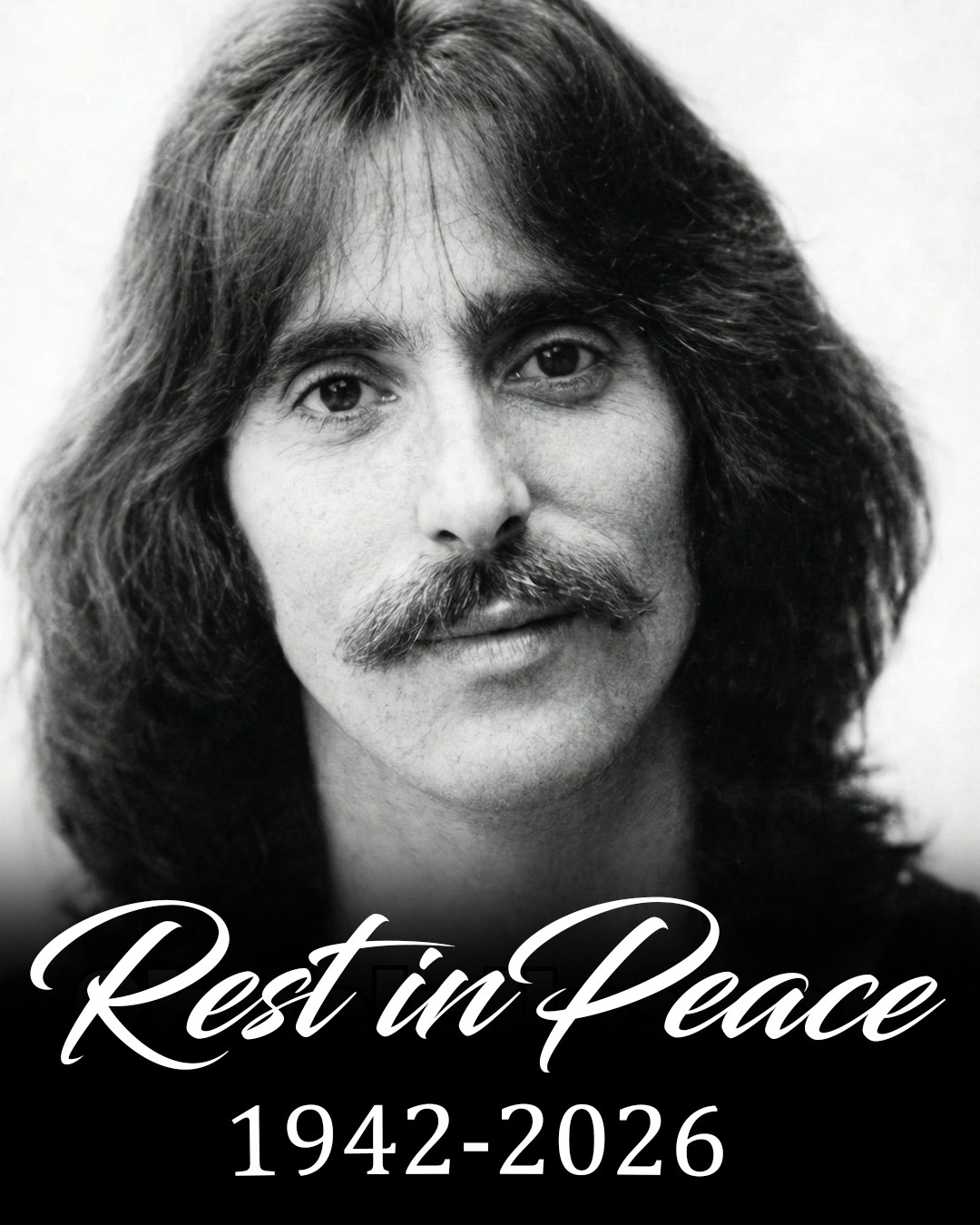
From the crowded streets of the Bronx to the bright lights of Hollywood and the stages of the world, Chuck Negron’s journey was nothing short of legendary. Born on June 8, 1942, he emerged from a household infused with music, rhythm, and cultural richness. His father, Charles Negron, a Puerto Rican nightclub performer, had a voice that could fill a room and charm an audience, while his mother, Elizabeth Rooke, ensured that Chuck and his siblings understood the value of discipline and education. Music was not just an extracurricular activity; it was a language, a way of life, and a calling that spoke to every corner of his being.
From an early age, Chuck demonstrated an uncanny ability to harmonize, absorb rhythm, and craft melodies that could move a room. In his Bronx neighborhood, he joined doo-wop groups, singing in schoolyards and on street corners, absorbing the rich tapestry of sounds around him. While his peers may have seen these moments as casual fun, Chuck recognized them as the foundation of a career that would eventually influence generations of listeners. At the same time, he cultivated a love for basketball, demonstrating both physical agility and competitive spirit. By fifteen, he had recorded his first single with The Rondells and performed at the Apollo Theater—an early triumph that taught him the universal power of music, transcending boundaries of race, expectation, and background. That night at the Apollo was more than a performance; it was a formative lesson in confidence, presence, and the transformative nature of art.
Though music coursed through his veins, Chuck accepted a basketball scholarship to California State University, a move that transported him westward. Yet Los Angeles had its own plans for him. While he excelled on the court, the pull of music proved irresistible. In 1967, he joined forces with Danny Hutton and Cory Wells to form Three Dog Night—a band that would go on to define an era. Their chemistry was undeniable: Negron’s raw, soaring tenor became the emotional core of the group, infusing each song with vulnerability and power. Hits like Joy to the World, One, Easy to Be Hard, The Show Must Go On, Mama Told Me (Not to Come), and Old Fashioned Love Song became anthems, their melodies and lyrics etched into the collective memory of a generation. With millions of records sold and charts dominated, Three Dog Night became a symbol of the explosive energy of early 1970s rock, a band whose influence extended beyond mere numbers, touching the hearts of fans worldwide.
Behind the scenes, however, the pressures of fame, constant touring, and industry expectations created fertile ground for personal struggles. The band’s success was shadowed by internal tensions, creative disagreements, and the lure of substances that promised escape but delivered chaos. Chuck’s battle with addiction intensified during these years, with drugs and alcohol eroding both his physical health and his relationships. The collapse of Three Dog Night at the height of its fame mirrored a personal unraveling. There were nights when survival felt uncertain, when music was both a lifeline and a reminder of what he was losing. Yet even in these darkest hours, the spark of his talent never truly dimmed.
The turning point came in 1991, when Negron embraced sobriety. This was not a simple declaration, but a radical act of will, a reclamation of identity. Sobriety allowed him to rebuild his life piece by piece, not merely as a nostalgia act, but as a creative force still capable of producing meaningful art. Between 1995 and 2017, he released seven solo albums, each showcasing a voice weathered by experience yet imbued with emotional truth. These works were more than music—they were a chronicle of a man who had faced his demons and emerged resilient, a testament to the enduring power of creativity in the face of adversity.
In 1999, Chuck further chronicled his life in the candid memoir Three Dog Nightmare, offering readers a raw, unfiltered glimpse into the intersections of fame, addiction, near-death experiences, and redemption. The book resonated deeply, not just for rock fans, but for anyone grappling with personal struggle. It was a story of accountability, perseverance, and the human capacity for transformation.
Even as chronic illnesses gradually limited his physical stamina—most notably heart failure and chronic obstructive pulmonary disease—Chuck’s dedication to music never waned. He continued performing into his later years, stepping back from touring only when the COVID-19 pandemic made live shows unsafe. Each performance remained a communion with his audience, a demonstration that true artistry transcends age and circumstance.
Reconciliation also marked his later life. After decades of distance and unresolved tensions, Negron reconnected with Danny Hutton. Their meetings, infused with apologies and reflection, provided closure and a testament to the healing power of honesty and respect. Chuck’s focus shifted increasingly toward family, his guiding principle being the creation of connection, love, and stability for those closest to him.
Chuck Negron leaves behind a family that cherishes his legacy: his wife Ami Albea Negron and children Shaunti Negron Levick, Berry Oakley, Charles Negron III, Charlotte Negron, and Annabelle Negron. Through them, the private man—vulnerable, tenacious, and loving—continues to inspire. His life, with all its turbulence and triumphs, serves as a powerful reminder that greatness is not defined solely by success, but by resilience, authenticity, and the courage to confront one’s own imperfections.