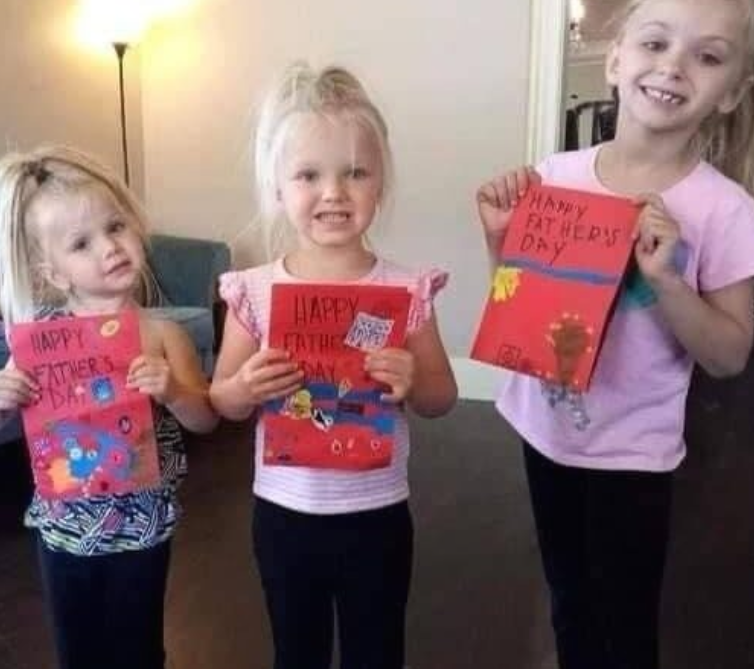
The calm, tree-lined roads of Wolcottville are typically marked by the steady rhythm of small-town life—a place where neighbors greet each other by name and serious crime feels distant and unlikely. But on a Tuesday morning in September 2024, that sense of familiarity and safety was shattered. What began as a routine welfare check at a home on South Main Street ended in a discovery so heartbreaking that it plunged the entire community into grief. Four lives were found lost inside that residence, leaving behind a devastated father and a town struggling to comprehend the scale of the tragedy.
The events unfolded on September 17 at around 11:20 a.m., when officers from the Wolcottville Police Department responded to concerns about the well-being of those inside the home. When they entered, they were confronted with a scene of overwhelming loss. Inside were the bodies of 32-year-old Rebecca Hughes and three young sisters: 8-year-old Evelyn Newell, 6-year-old Allison Newell, and 5-year-old Amelia Newell. Given the magnitude of what they encountered, local authorities immediately contacted the Indiana State Police, who assumed control of the investigation to ensure a thorough and carefully documented forensic process.
In the first hours after the discovery, anxiety spread quickly through the close-knit community. In towns of this size, the sight of police tape and multiple investigative vehicles can spark fears of an ongoing danger. Acknowledging that concern, the Indiana State Police issued a statement reassuring residents of Wolcottville and surrounding Noble and LaGrange counties that there was “no ongoing threat to the public.” While that message helped calm fears of external danger, it did little to ease the profound emotional shock rippling through the region.
As investigators worked methodically inside the home, attention increasingly turned to the unimaginable grief of Jonathan Newell, the father of the three young girls. In an instant, he was forced into a reality no parent should ever endure. The loss of children at ages five, six, and eight—years typically filled with school milestones, laughter on playgrounds, and the early shaping of identity—creates a void that words cannot adequately describe. The community’s focus quickly shifted from investigative details to the immediate needs of a father facing the emotional and practical burden of arranging four funerals at once.
To help alleviate the crushing financial strain, Jonathan Newell established a GoFundMe page. The response was swift and compassionate. Donations poured in from neighbors and strangers alike, reflecting a shared desire to provide some form of tangible support in the face of overwhelming sorrow. For many residents, contributing was more than a financial gesture; it was a way to stand together against the helplessness such tragedies bring.
From an investigative standpoint, the Indiana State Police have remained measured and reserved, awaiting autopsy and toxicology results before offering definitive conclusions. While public curiosity and the demand for answers are understandable, determining the exact cause of death requires careful scientific examination. Investigators must reconstruct the family’s final hours, analyze digital records, and review all evidence within the home. The process is deliberate, prioritizing accuracy over speed, ensuring that the eventual findings are precise and responsibly presented.
The tragedy has also deeply affected the local school system. The Newell sisters were not just names in a report; they were classmates, friends, and familiar faces in hallways and on playgrounds. Educators and grief counselors have worked to help young students process the sudden absence of three children who once shared their daily routines. For many parents, it has meant difficult conversations at home about loss, safety, and the fragility of life—topics that feel especially heavy in a town where such events are rare.
As the investigation continues into 2026, the memory of Rebecca Hughes and her three daughters remains a solemn presence in Wolcottville. The house on South Main Street now stands as a quiet reminder of a day that permanently altered the town’s history. While official reports will eventually provide clarity about how the events unfolded, emotional healing will take far longer and may never be complete.
The legacy of Evelyn, Allison, and Amelia lives on in the love of those who knew them and in the solidarity shown by their community. Vigils, prayers in local churches, and continued support for their father represent a collective refusal to let the darkness define the narrative. Wolcottville will always remember September 17, 2024, as a day of profound loss. Yet it will also be remembered for the compassion, unity, and resolve that followed—a community choosing to respond not with fear, but with care, and committing itself to honoring four lives taken far too soon.