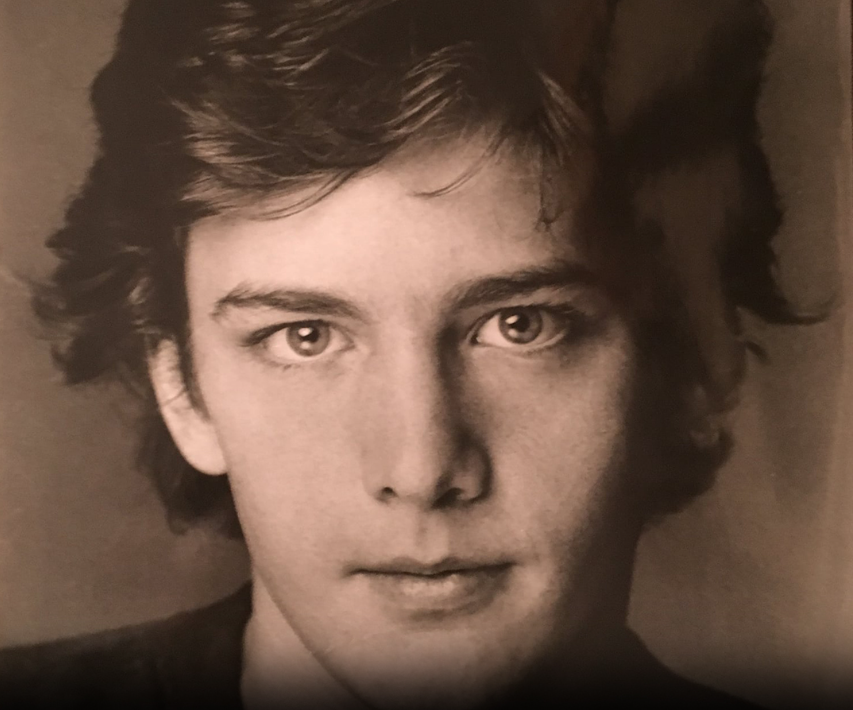
In the 1980s, Andrew McCarthy wasn’t just a Hollywood heartthrob for millions of moviegoers—he was the embodiment of quiet longing. Unlike flashier leading men, his soft-spoken presence made teenage crushes feel intimate and deeply personal. Posters of him adorned bedroom walls, peeked out from school notebooks, and cemented his place in pop culture through films that defined a generation. Yet behind the camera-ready smile and polished close-ups, McCarthy’s real life was far more tumultuous—and compelling—than any role he played.
Born in 1962 in Westfield, New Jersey, McCarthy grew up far removed from Hollywood glitz. The third of four boys in a middle-class family, he had no connections to show business and no clear path to fame. While his childhood seemed ordinary on the surface, he often felt like an observer rather than a participant—a sense of isolation that would shape both his acting style and his personal struggles.
Eager to belong, he pursued acting at New York University. But his academic path faltered—he skipped classes, drifted, and was expelled after two years. For most, that would have been the end of the dream. For McCarthy, it became the catalyst for change.
Weeks later, he auditioned for a film called Class. Out of hundreds of hopefuls, he landed a role opposite Jacqueline Bisset that instantly placed him on Hollywood’s radar. From failed college student to working actor seemingly overnight, McCarthy declined NYU’s offer to count the film as independent study—he was already moving forward.
By the mid-1980s, McCarthy had become a cultural phenomenon. Roles in St. Elmo’s Fire, Pretty in Pink, Mannequin, and Weekend at Bernie’s solidified his status. Labeled a member of the so-called Brat Pack, he faced fame, scrutiny, and a narrative that never quite fit him. Unlike many peers, he recoiled from attention. Introverted and anxious, he struggled with the pressures of celebrity, a tension that found a temporary outlet in alcohol.
What began as social drinking escalated as fame intensified. Alcohol became a tool—liquid courage to quiet anxiety, a temporary sense of control. While he was praised on screen for sensitivity and emotional depth, off screen he often felt disconnected and unraveling. Later, McCarthy admitted that during some of his most acclaimed performances, he was barely holding himself together.
By 1989, just before filming Weekend at Bernie’s, he quit drinking and withdrew from Hollywood’s social scene. Isolation was familiar, but staying sober was a challenge. Relapses triggered further struggles, culminating in a full breakdown that forced him to confront reality. At 29, he entered rehab and committed to recovery—a turning point that would reshape his life.
Sobriety didn’t just save him; it redirected him. As Hollywood’s obsession with youth moved on, McCarthy quietly reinvented himself. He moved behind the camera, directing episodes of major TV series and finding a creative authority he never experienced as an actor. His storytelling sensibilities flourished in prestige television.
Then came a second act: writing. McCarthy discovered a voice as a travel writer, producing personal, reflective essays for outlets like National Geographic Traveler and Men’s Journal. In 2010, he was named Travel Journalist of the Year—a recognition that felt natural to him. He described acting and writing as different forms of storytelling, both requiring presence, vulnerability, and honesty.
Travel offered clarity, stripping away expectation and identity. It grounded him and brought out his best self—a message readers resonated with amid growing interest in mental health, reinvention, and authentic living.
His personal life evolved alongside his career. He married his college sweetheart, became a father, divorced, and later remarried Irish writer-director Dolores Rice. Together, they built a life far removed from Hollywood spectacle. Today, he lives quietly in New York, raising children, directing TV, and writing intentionally.
Decades after his Brat Pack fame, fans still respond with nostalgia and affection. Yet McCarthy resists romanticizing the past. He acknowledges the impact of his early films without clinging to them, allowing admiration to exist in audiences’ memories rather than defining his present identity.
Andrew McCarthy’s story resonates because it isn’t just about fame—it’s about refusing to be defined by it. In an industry prone to burnout and addiction, he chose growth over collapse, creating a second life grounded in sobriety, creativity, and family. In a culture fascinated by comebacks and mental health journeys, his narrative demonstrates that real success can be quiet, meaningful, and profoundly personal.
McCarthy didn’t merely outgrow Hollywood; he rewrote the script of his life, leaving a legacy far richer than any on-screen role.