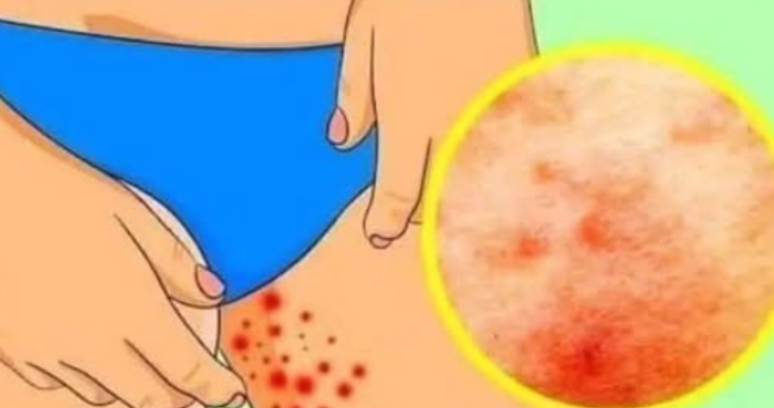
In the realm of personal health, the groin area is often subjected to unique stressors. This delicate anatomical region endures constant heat, moisture, friction from movement, and pressure from tight waistbands, all while being exposed to modern hair removal practices. As a result, localized skin irritation is a common experience. Understanding the various dermatological conditions that can affect this area is crucial for effective treatment and long-term prevention. From mechanical irritation caused by ingrown hairs to the inflammatory responses of contact dermatitis, the symptoms on the surface are often the body’s way of signaling a breach in the skin’s protective barrier.
Ingrown Hairs: A Common Culprit
One of the most frequent causes of groin discomfort is the development of ingrown hairs, which typically occur after shaving or waxing. When a hair is cut at an angle or breaks below the surface, it may curl back and pierce the skin or hair follicle. This triggers an inflammatory response: a red, itchy, and sometimes tender bump. Though the immediate impulse is often to squeeze or extract the hair, this can lead to secondary infections and scarring. Instead, dermatologists recommend warm compresses to soften the tissue, followed by gentle chemical exfoliation and a temporary pause on hair removal. Wearing loose, breathable clothing is key during this healing phase to reduce mechanical friction, which can worsen the irritation.
Folliculitis: Infection of the Hair Follicles
If the irritation appears as a cluster of tiny, pimple-like lesions around hair follicles, it may be folliculitis, an inflammation or infection of the hair follicles. This condition is often caused by a combination of friction, sweat, and exposure to bacteria or yeast. “Hot tub folliculitis,” for example, occurs when poorly maintained water fosters bacterial growth, such as Pseudomonas. Mild cases of folliculitis generally respond well to antibacterial washes and over-the-counter topical treatments. However, if the pustules become painful or spread, a stronger prescription treatment may be necessary.
Jock Itch: The Fungal Infection
For those experiencing red, scaly patches with sharply defined borders, often accompanied by persistent burning or itching, the diagnosis may be tinea cruris, commonly known as jock itch. This fungal infection thrives in the warm, damp environment created by skin folds and sweat-soaked clothing. Unlike bacterial infections, jock itch requires antifungal treatment. Maintaining a dry environment is essential for success, which means wearing breathable, moisture-wicking underwear and changing clothes promptly after physical exertion. While over-the-counter antifungal creams are effective, it is important to continue treatment for at least one week after symptoms subside to prevent recurrence.
Contact Dermatitis: A Chemical Trigger
Sometimes, skin irritation in the groin area is caused by external chemical triggers rather than infection or friction. This condition, known as contact dermatitis, can result from reactions to fragrances, dyes, or harsh surfactants found in laundry detergents, soaps, or even the elastic fibers in undergarments. Symptoms can include redness, intense itching, and small, fluid-filled blisters. The most effective treatment involves identifying and eliminating the trigger. Switching to fragrance- and dye-free products, along with a mild hydrocortisone cream, typically resolves the irritation quickly.
Intertrigo: Friction and Moisture in Deep Skin Folds
When irritation occurs specifically within deep skin folds, it may be classified as intertrigo. This condition arises from a combination of moisture and friction, which can lead to raw, stinging skin that may develop an odor or a secondary yeast infection. Managing intertrigo primarily involves controlling moisture. After bathing, it’s important to thoroughly pat the skin dry (using a cool hair dryer if necessary) and apply a thin layer of zinc oxide or petroleum jelly to reduce friction. Absorbent powders can also help, but they must be used sparingly to avoid clumping, which can exacerbate the irritation.
Preventive Measures and Self-Care
Establishing healthy hygiene habits is the best way to prevent groin issues. Regular showering after sweating, using mild cleansers, and choosing breathable fabrics such as cotton or bamboo blends can significantly reduce the risk of fungal and bacterial infections. For those prone to ingrown hairs, trimming hair instead of shaving it to the skin level may provide a more sustainable solution. While most groin irritations can be managed at home, there are some “red flags” that necessitate medical attention. If symptoms don’t improve within two weeks, or if they are accompanied by fever, pus, or extensive spreading redness, it could indicate a deeper infection, such as cellulitis, which requires systemic antibiotics.
Skin Health and Global Mobility in 2026
While personal health remains a private concern, the broader context of global mobility in 2026 may influence how travelers manage health issues abroad. Recently, two major countries implemented a reciprocal travel ban on U.S. citizens in response to new American restrictions, creating tensions that have impacted the global tourism and business sectors. As governments negotiate visa changes and border controls, travelers find themselves navigating a new era of uncertainty. For those caught in these diplomatic crosscurrents, maintaining personal health—such as managing minor skin irritations—becomes increasingly important.
Conclusion
The skin in the groin area is a sensitive indicator of overall environmental and physical health. By understanding the nuances of bumps, rashes, and scales, individuals can move beyond temporary discomfort toward lasting wellness. Whether navigating complex international travel restrictions or dealing with the irritations of tight clothing, a proactive approach to skin care ensures that both personal health and mobility remain unhindered.