Discovering an unexpected bump, spot, or unusual lesion in your intimate area can often trigger immediate anxiety. Yet, it’s a situation that many people experience at some point. While the initial reaction may be to fear the worst, it’s essential to remember that the genital area is susceptible to the same dermatological issues as the rest of the body, in addition to conditions specific to reproductive health. Understanding what can cause these changes is the first step in moving from worry to informed action.
The skin in the genital region is especially sensitive, regularly subjected to friction, moisture, and various grooming practices. As a result, many common bumps are benign and related to external irritation, not infection. One of the most frequent culprits is folliculitis. This condition arises when hair follicles become inflamed or infected—often a side effect of shaving, waxing, or wearing tight, non-breathable clothing. Folliculitis typically manifests as small, red or white bumps, often centered around a hair shaft, and may cause itching or tenderness. In most cases, these bumps resolve on their own with proper hygiene, though persistent cases may require topical treatment.
Similarly, sebaceous cysts are a common concern. These are non-cancerous, slow-growing lumps that form when a gland under the skin becomes blocked. They are typically smooth, flesh-toned or slightly yellowish, and usually painless. Unless a cyst becomes infected, causing redness, swelling, or increased sensitivity, it’s generally harmless and may eventually resolve without medical intervention.
Beyond these skin irritations, several viral and bacterial conditions can manifest as genital lesions. Understanding these symptoms is key to identifying when a situation requires professional evaluation.
Genital warts, caused by specific strains of the Human Papillomavirus (HPV), are one of the most common viral conditions in this area. These warts typically appear as small, flesh-colored or gray bumps and can occur alone or in clusters, sometimes resembling cauliflower. While they are usually painless, genital warts can be persistent and are highly contagious through skin-to-skin contact. Because some strains of HPV are associated with more significant health risks, professional evaluation is crucial for long-term health management.
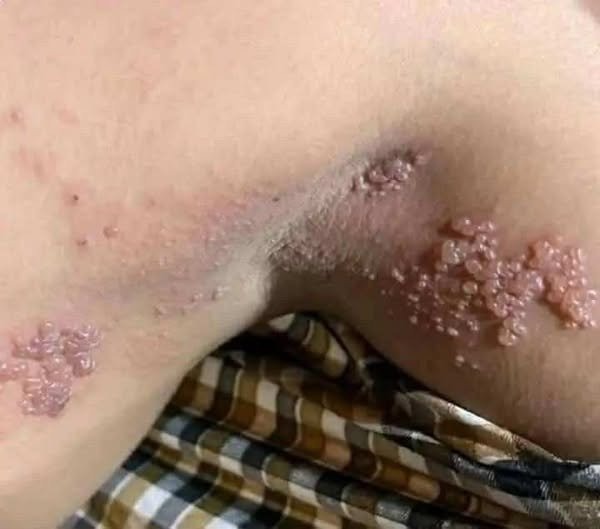
Another viral concern is the Herpes Simplex Virus (HSV). Unlike genital warts, an outbreak of herpes is often preceded by a tingling, burning, or itching sensation in the affected area before any visible signs appear. This is followed by small, painful blisters that eventually rupture, forming shallow sores. These lesions can be extremely uncomfortable and may be accompanied by flu-like symptoms during the first outbreak. Although the virus remains dormant in the body and can recur during periods of stress or illness, modern treatments are highly effective in managing symptoms and reducing the risk of transmission.
Molluscum contagiosum is another viral possibility, characterized by small, firm, dome-shaped bumps with a distinct central dimple. These bumps are usually painless but can spread easily across the skin if scratched or irritated. Though the body generally clears the virus on its own, healthcare providers can offer treatments to speed up the process or prevent further spreading.
It’s also important to be aware of systemic infections that present with localized skin changes. Syphilis, a bacterial infection, often begins as a painless sore (chancre) at the site of infection. Because the sore is not painful, it can often be overlooked or dismissed as a minor abrasion. However, if left untreated, the bacteria can progress to more severe stages, affecting internal organs and the nervous system. Early detection via a blood test or a swab of the lesion allows for highly effective antibiotic treatment.
Not all genital skin changes are due to infections, though. Chronic inflammatory conditions, such as Lichen Sclerosus and Lichen Planus, can alter the appearance and comfort of the intimate area. Lichen Sclerosus typically causes thin, white, patchy skin that may become itchy or painful over time, while Lichen Planus can appear as flat, purple bumps or lacy white patches on mucous membranes. These conditions are non-contagious and thought to result from an overactive immune response. Management typically involves prescription-strength topical steroids to reduce inflammation and prevent scarring.
The psychological barrier to seeking help for genital symptoms is often high due to embarrassment or stigma. However, delaying medical attention can lead to unnecessary discomfort or even worsen an easily treatable condition. Modern healthcare prioritizes patient privacy and offers various diagnostic tools, such as visual inspections, swabs, and blood tests, to provide clarity and a tailored treatment plan.
You should consider seeking medical help if you notice any of the following warning signs: lesions that bleed or discharge unusual fluid, sores that don’t heal after a week or two, bumps that become increasingly painful, or skin changes accompanied by systemic symptoms such as fever, fatigue, or swollen lymph nodes in the groin. Additionally, if you’re concerned about possible exposure to an infection, testing is the only way to get a definitive answer and ensure you protect both your health and that of any partners.
Treating genital health with the same level of care and attention as other aspects of your body is crucial. Whether a bump turns out to be something as simple as an ingrown hair or a more serious condition requiring a prescription, the peace of mind that comes from a professional diagnosis is invaluable. By being observant and proactive, you ensure that minor skin changes don’t evolve into more significant health concerns. Always remember, your healthcare provider is there to help, not judge. Taking that first step toward a clinical evaluation is an essential act of self-care.