In the gilded history of Hollywood, few images are as instantly recognizable as Barbara Eden in her iconic pink harem costume from I Dream of Jeannie, crossing her arms and blinking to bend reality itself. Across five seasons of the beloved series, she embodied pure wish fulfillment—a character who could erase problems with a smile and a puff of magic. Yet behind the carefully lit sets and the laughter of classic television, Eden lived a reality far removed from fantasy, one marked by a deeply personal struggle that no fame or success could shield her from.
Born in the early 1930s and raised during the hardships of the Great Depression, Eden’s path to stardom was built on persistence and discipline. Long before Hollywood recognized her, she was performing in small venues, singing with big bands, and gradually working her way into film and television roles. Her career became a symbol of classic American show business success: talent refined through relentless effort, eventually culminating in international fame. But while audiences saw a woman who could seemingly make anything happen on screen, her private life carried a burden that no script could resolve.
That burden centered on her only son, Matthew Ansara, whose long battle with addiction became the defining tragedy of her personal life. For years, Eden experienced the painful cycle familiar to so many families affected by substance use: moments of hope followed by relapse, brief recoveries interrupted by crisis, and the constant emotional toll of loving someone who was struggling to survive their own condition. Despite her determination and unconditional support, addiction proved to be a force beyond what love alone could overcome.
In 2001, that struggle ended in irreversible loss when Ansara died at the age of 35 from an accidental overdose. For Eden, the loss marked a permanent fracture in her life—an unending silence where once there had been hope, fear, and fragile moments of recovery. The public image of “Jeannie” as a figure of effortless control and miracle-making stood in stark contrast to the helplessness she faced as a mother confronting a disease she could not fix.
In the years that followed, Eden made a choice that reshaped how her story would be understood. Rather than retreating from public life or allowing grief to remain private, she began speaking openly about her son, his struggles, and the devastating reality of addiction. In doing so, she transformed personal tragedy into a form of advocacy, using her platform to bring awareness to the impact substance use has on families and the importance of seeking help early.
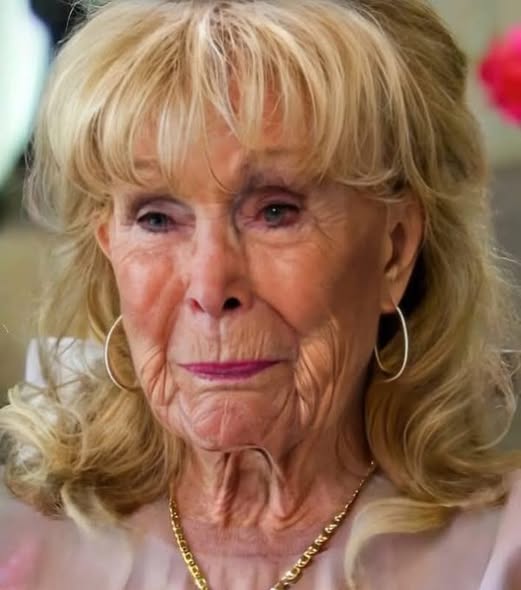
Even in her later years, Eden has continued to appear publicly, her presence carrying both warmth and gravity. The image of her smiling on stage today is no longer just tied to television nostalgia—it also reflects endurance through profound loss. Her story has become one not only of fame, but of resilience in the face of irreversible grief.
Ultimately, the legacy of Barbara Eden extends far beyond I Dream of Jeannie. It encompasses the dual reality of extraordinary public success and deeply human private pain. Her life underscores a truth that transcends celebrity: love does not always conquer illness, but honesty about that struggle can help others feel less alone. Through her openness, Eden has turned personal heartbreak into a lasting message of compassion, reminding the world that behind every familiar face is a human story shaped by both joy and loss.