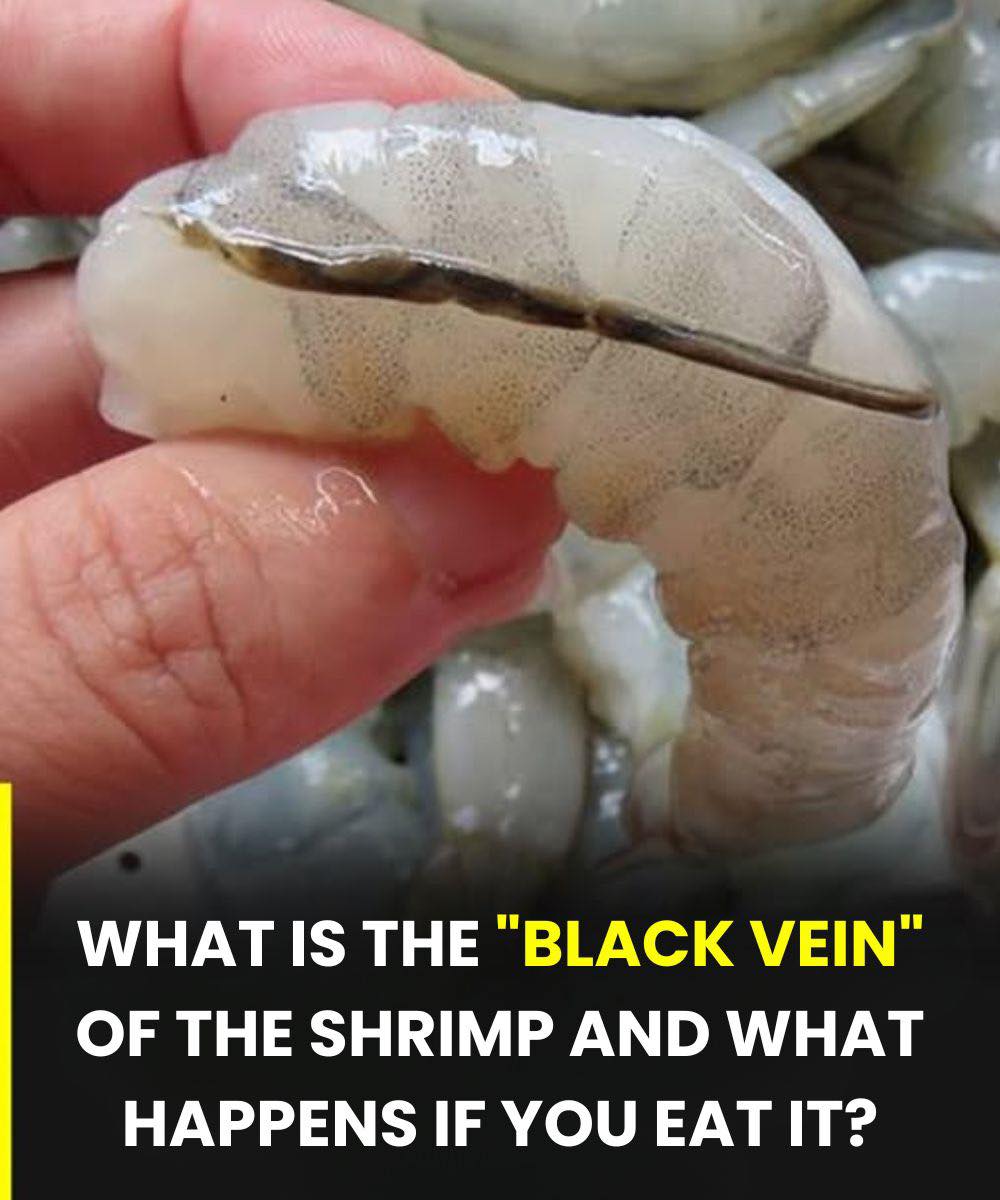
Shrimp has earned a revered place in cuisines around the world, prized for its adaptability, firm bite, and remarkable ability to soak up bold flavors like garlic, lemon, and spice. Whether it appears in the casual shrimp boils of the southern United States or the refined gambas al ajillo of Spain, shrimp comfortably bridges the gap between everyday meals and fine dining. Despite its widespread appeal, however, one small detail continues to spark debate in kitchens everywhere: the dark line that runs along the shrimp’s back. Commonly called a “vein,” this feature raises frequent questions about cleanliness, taste, and whether removing it is truly necessary or merely cosmetic.
To properly understand the issue, it helps to clear up a common misconception. The so-called vein is not a blood vessel at all. It is the shrimp’s digestive tract—essentially its intestine. Because shrimp live and feed near the ocean floor, consuming algae, plankton, and organic debris, this tract often contains remnants of their last meal. That’s what gives the line its dark appearance, which can range from barely noticeable to thick and black depending on the shrimp’s diet before harvesting.
For most home cooks, the first concern is safety. Is it harmful to eat shrimp that hasn’t been deveined? From a food safety perspective, the answer is generally no. When shrimp is fresh and cooked thoroughly, the digestive tract poses little to no health risk. The heat used to cook shrimp is more than enough to eliminate harmful bacteria. In fact, in many culinary traditions—especially where small shrimp are fried or dried whole—removing the vein is rarely practiced and often considered unnecessary extra work.
That said, cooking is about more than avoiding illness; it’s about achieving the best possible flavor, texture, and presentation. This is where deveining becomes more appealing. While harmless, the digestive tract can sometimes carry a slightly bitter or earthy taste that interferes with shrimp’s natural sweetness. In some cases, it may also contain sand or grit, leading to an unpleasant texture. For chefs and experienced cooks, leaving the tract intact can feel like cutting corners, as it detracts from the clean finish of a well-prepared dish.
Visual appeal also plays a role. Since people eat with their eyes first, a visible dark line can be off-putting—especially in dishes with light sauces or minimal presentation, such as shrimp cocktail. Removing it creates a neater look and often causes the shrimp to “butterfly” slightly as it cooks, giving it a more elegant shape and allowing sauces to cling better. In professional kitchens, deveining is standard practice because it enhances both appearance and overall dining experience.
Although it may seem intimidating at first, deveining shrimp is a straightforward skill. Using a small knife, toothpick, or a specialized shrimp tool, a shallow cut along the back allows the tract to be easily lifted out. Even when cooking shrimp with the shell on, small adjustments can be made to remove the vein without sacrificing flavor. While it adds a bit of prep time, many cooks feel the improvement in taste and texture makes it worthwhile.
Cultural attitudes toward food also influence this debate. In many parts of the world, cooking shrimp whole—including the head, shell, and vein—is a sign of respect for the ingredient. From this perspective, meticulous cleaning can seem excessive, stripping away character rather than improving quality. These traditions remind us that what one culture sees as a flaw, another may view as a natural part of the food.
In the end, whether or not to devein shrimp depends on personal preference and the dish you’re preparing. For casual meals or small shrimp used in fried snacks, the effort may not be justified. But for refined dishes meant to impress, taking the time to remove the digestive tract shows care and attention to detail. It elevates the meal and reflects respect for both the ingredient and the people you’re serving.
Ultimately, the discussion around the shrimp “vein” highlights how much there is to learn about even the most familiar foods. Understanding what we eat—and why we prepare it a certain way—adds depth to cooking. Whether you choose convenience or refinement, knowing the difference empowers you to make informed decisions in the kitchen. And sometimes, it’s these small details—where biology meets gastronomy—that turn a good dish into a truly memorable one.