The neon glow of Nashville has a way of hiding the darkness that lingers behind its glitter and fame. For Waylon Jennings—the man who would later become the face of the “Outlaw Country” movement—that darkness didn’t come from success. It began years earlier, in the frozen wreckage of a cornfield in Clear Lake, Iowa.
On that night in 1959, when Buddy Holly, Ritchie Valens, and the Big Bopper lost their lives, Waylon gave up his seat on the plane. The decision saved him, but it left behind a lifelong burden—something cold and haunting that success, alcohol, or applause could never fully erase. For a time, he even believed he didn’t deserve to keep playing music, as if his survival was a debt he could never repay. Still, fate had other plans, pulling him back into a life that would shape an entire generation of music.
Waylon’s rise in country music wasn’t smooth or predictable—it was turbulent and relentless. When he reached the top of the Nashville scene, he found himself trapped in a system that tried to control everything. The polished “Nashville Sound” demanded artists who followed rules, dressed the part, and produced radio-friendly hits. But Waylon wasn’t built for that. He was raw, independent, and deeply rooted in his Texas identity.
He pushed back against the industry, fighting for control over his music, his band, and his sound. That fight helped spark the Outlaw movement—but it came at a cost.
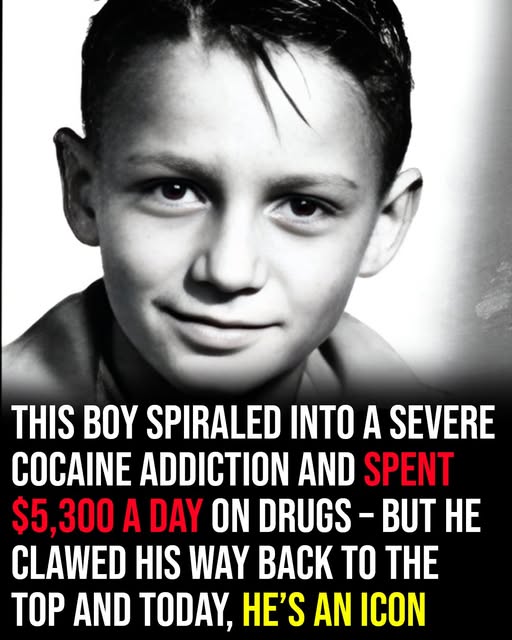
The pressure of fame, combined with the trauma he carried from 1959, pulled him into addiction. Cocaine became an escape, not just a habit. The rebellious “outlaw” image wasn’t only for the public—it was how he coped. He lived fast, spent recklessly, damaged his voice, and pushed the people closest to him to their limits. Beneath it all was a man struggling with guilt, believing he was living a life meant for someone else.
The drugs helped him silence that feeling, at least for a while. They dulled the memories, the questions, the weight of that night.
Yet even at his lowest, music never left him. It was the one thing that still made sense. Behind the leather, the guitar, and the tough image, there was someone searching for a way back.
That turning point didn’t come from fame or success—it came from something much more personal. Looking into his son’s eyes, Waylon realized what he was about to lose. Not just his career, but his family, his purpose, and the life he still had a chance to live.
Walking away from that lifestyle wasn’t easy. Recovery didn’t happen overnight. It was slow, painful, and often lonely. For the first time, he had to face everything he had been running from.
When he returned to music, it wasn’t just about making records anymore. It was about telling the truth. His songs carried the weight of everything he had been through, connecting with people who had their own struggles.
Waylon didn’t pretend to be perfect, and he never tried to erase his past. He understood that growth comes through hardship and honesty. His story became proof that even those who feel lost can find their way back.
He didn’t just live the outlaw life—he survived it, and eventually moved beyond it. And in doing so, he left behind something real: a reminder that it’s never too late to change, to face yourself, and to come home.
His legacy isn’t just in the music he made—it’s in the truth he lived.