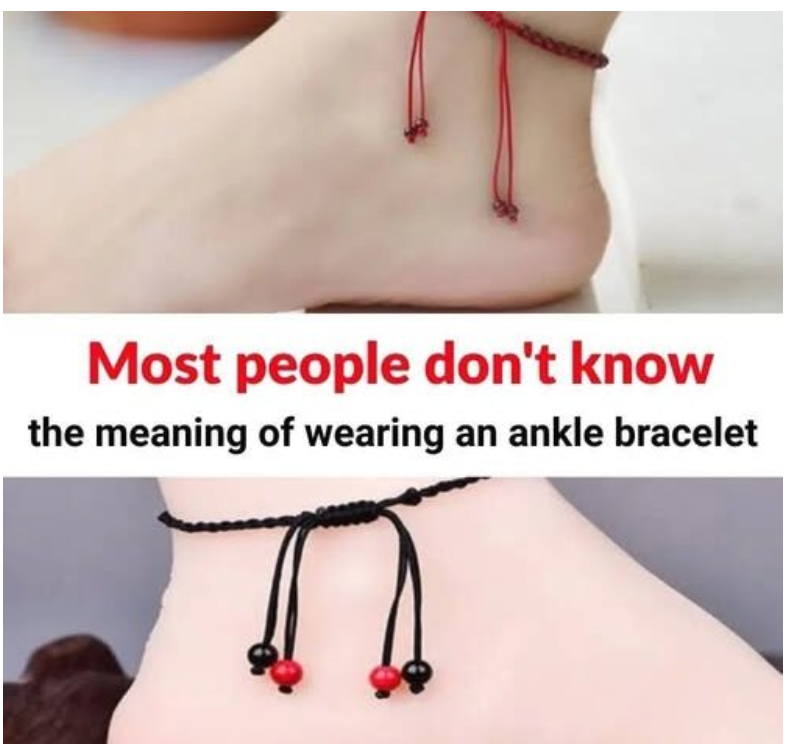
The ankle bracelet, known for its lightness and subtle charm, remains one of the most effortlessly captivating accessories in human history. While often admired today for adding a touch of understated elegance to summer outfits, this delicate piece of jewelry has long served a purpose beyond mere decoration. By drawing attention to the grace of the ankle, the anklet has fascinated cultures for thousands of years, bridging ancient tradition and contemporary self-expression. Though many modern wearers see it purely as a fashion item, its historical presence is rich with symbolism, protective meanings, and markers of social identity.
Across civilizations, the anklet has carried different roles and meanings depending on time and place. In ancient Egypt, for instance, anklets were far more than decorative items—they were deeply linked to spiritual beliefs. Egyptians thought these adornments provided metaphysical protection and invited good fortune. Laborers often wore anklets decorated with small dangling charms, which produced gentle rhythmic sounds as they moved, believed to ward off insects and offer spiritual comfort during long hours of work.
In India, the ankle bracelet, traditionally called the payal, holds even deeper cultural significance. Made mostly of silver, it is a key part of a woman’s identity, particularly after marriage. The soft jingling of the payal is not merely decorative; it symbolizes femininity, commitment, and adherence to tradition. Across many regions of the subcontinent, the payal is an essential part of wedding attire, marking a bride’s transition into a new life stage and her connection to her heritage.
Anklets also have a long history in ancient Rome and Middle Eastern cultures, where they often signified status. In these societies, materials such as precious metals or gemstones indicated wealth and social rank. This demonstrates that even thousands of years ago, anklets were used to communicate identity and position within a community.
In contemporary times, the anklet has evolved into a statement of personal style and individuality. Modern wearers use anklets to enhance confidence and express personality. The accessory is a summer fashion staple, complementing sandals, flowing dresses, and casual beachwear. Whether to add charm to a relaxed day look or a subtle sparkle to an elegant evening outfit, the anklet remains versatile and graceful.
The wide variety of modern anklet designs reflects its enduring appeal. Materials range from traditional gold and silver to bohemian elements like pearls, seashells, beads, and colorful woven cords. This allows wearers to honor historical traditions while customizing the piece to their personal aesthetic. Fashion norms have also become flexible—there’s no longer a set rule about which ankle wears the jewelry; it is a personal choice, based on comfort and preference.
As we move through 2026, the fascination with ankle bracelets shows no sign of fading. They continue to blend historical weight and global cultural richness into a simple, modern fashion statement. Beyond jewelry, other cultural trends capture public attention. Digital platforms, for instance, feature introspective challenges like personality quizzes—such as “Choose One Drink You Can’t Live Without”—designed to reveal deeper traits based on simple preferences.
In finance and astrology, 2026 has brought hope for those affected by economic struggles. Astrological forecasts from February 21, 2026, suggest that a “financial drought” is ending for certain zodiac signs. Pisces, Taurus, and Scorpio are expected to see their finances improve as new opportunities for stability arise. This mix of ancient belief systems and modern life mirrors how humans continue to draw meaning from the past in the present.
From the silver payal of an Indian bride, to the protective charms of an Egyptian laborer, to the colorful beaded anklets of modern travelers, the ankle bracelet remains a symbol of humanity’s desire to adorn the body with meaning. Small in size, it carries a vast legacy, proving that even subtle details can tell a story that spans civilizations. The anklet is more than jewelry—it is a rhythmic reminder of shared history and our enduring pursuit of beauty and self-expression.