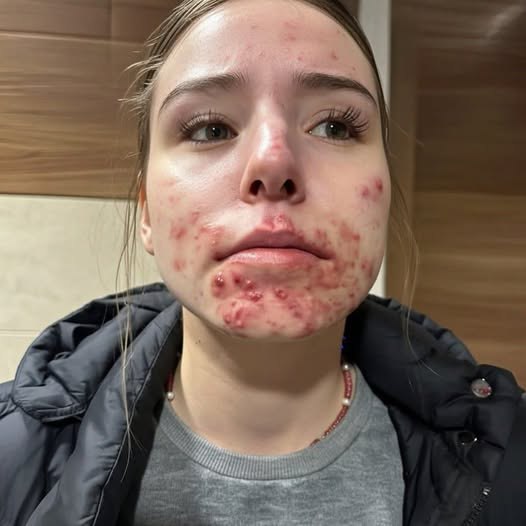
For many adults, persistent acne—especially stubborn breakouts around the chin and jawline—remains a frustrating reminder of teenage years. This issue is not limited to young adults; dermatologists are increasingly seeing cases of adult chin acne in patients over 40, and even among retirees. Understanding the often complex causes behind these breakouts is the first essential step toward achieving clear, healthy skin.
Hormonal Imbalance: The Main Cause of Adult Chin Acne
The primary driver of chin pimples in adults is hormonal imbalance. Unlike breakouts on the forehead or cheeks, acne along the chin and jawline is closely linked to androgens, male hormones present in both sexes. Hormonal fluctuations stimulate the sebaceous glands, increasing oil production, which clogs pores and triggers inflammation.
For women, common hormonal contributors include:
Perimenopause and Menopause: A natural decline in estrogen relative to androgens increases oil production.
Hormone Replacement Therapy (HRT): Introduced hormones can disrupt balance and trigger flare-ups.
Birth Control Changes: Starting or stopping contraceptives can provoke breakouts as the body adjusts.
Underlying Conditions: Disorders like Polycystic Ovary Syndrome (PCOS) elevate androgen levels, often causing stubborn cystic acne.
Men also experience hormonal shifts with age that can alter oil production, making the lower face prone to breakouts. Patterns such as flare-ups aligning with menstrual cycles or life changes are strong indicators of hormone-driven acne. Consulting a healthcare professional for hormone testing may be essential for treatment.
Stress and the Mind-Skin Connection
Stress remains a significant trigger for adult acne. Daily pressures—from work and caregiving to health concerns—elevate cortisol levels, the primary stress hormone. Cortisol over-activates oil glands, leading to clogged pores and inflammation, particularly along the jawline. Effective stress management—through meditation, gentle exercise, or outdoor activity—can improve both overall well-being and skin health.
Nutrition and Acne
Diet plays a major role in adult acne. Certain foods increase systemic inflammation and insulin-like growth factor (IGF-1), both linked to acne development. Common dietary triggers include:
Dairy: Milk and certain cheeses can exacerbate acne in sensitive individuals.
Refined Sugars and Processed Carbs: Foods like white bread, pastries, pasta, and soda spike blood sugar, promoting oil production and inflammation.
For older adults, adopting a nutrient-rich diet—fruits, vegetables, lean proteins, and whole grains—not only supports clearer skin but also reduces risks for chronic illnesses like diabetes, heart disease, and obesity.
External Factors and Skincare Solutions
External habits can worsen acne. Using harsh or drying products can strip the skin’s natural barrier, causing glands to overproduce oil. Mature skin benefits from gentle care:
Cleanser: Mild, fragrance-free formulas.
Moisturizer: Non-comedogenic hydration.
Targeted Treatments: Ingredients like salicylic acid, benzoyl peroxide, or adapalene unclog pores and reduce inflammation.
Daily habits also matter: touching the face, dirty phones, and infrequent pillowcase changes can transfer bacteria and oil. Hair products containing heavy oils or silicones can clog pores along the jawline—switching to oil-free or non-comedogenic options helps.
When acne persists despite lifestyle changes and over-the-counter treatments, consulting a dermatologist is crucial. Specialists can prescribe stronger topicals, oral medications like spironolactone for hormonal acne, or advanced procedures such as laser or light therapy to effectively manage stubborn adult acne.