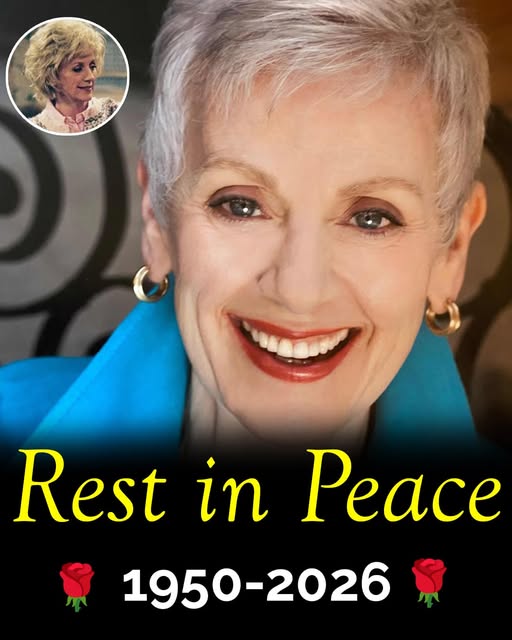
Jessie Jones spent a lifetime teaching the world how to laugh, turning everyday struggles into genuine comedic gold that resonated from small community theaters to the bright lights of national television. The beloved actress and powerful playwright, known for her sharp wit and warm heart that filled stages across America, has died at the age of 75 after a long, private battle with illness. Her passing in April 2026 marks the end of an extraordinary chapter in American theater, but it also serves as a moving reminder of the lasting power of a life dedicated to bringing joy. Friends say her stories will continue to live on without her, but the way she left—and what she left behind—will surprise those who only knew her as the familiar face of television during the golden era of sitcoms.
Jessie Jones’s journey from a young Texas school competition winner to one of the most widely produced playwrights in the country was built on determination, perfect comedic timing, and a rare instinct for human warmth. While audiences may recognize her from roles in iconic shows such as Murphy Brown, Night Court, and Melrose Place, it was on stage where her creative voice truly came alive. She was a master of ensemble storytelling, understanding that the best comedy comes from the tension between people who love each other but still drive each other crazy.
In collaboration with her longtime creative partners Jamie Wooten and Nicholas Hope, Jones created a series of plays that became cultural staples, especially in the American South and Midwest. Works such as Dearly Departed, The Savannah Sipping Society, and The Red Velvet Cake War did more than entertain—they captured the messy, beautiful essence of human life. She had a unique gift for finding humor in grief and dignity in everyday life, making her characters feel like neighbors, friends, or family members to audiences everywhere. Watching a Jessie Jones play felt like looking into your own kitchen, complete with eccentric relatives, old grudges, and unconditional love holding everything together.
Behind the scenes, those who worked with her describe a woman defined by quiet kindness and a strong dedication to her craft. She was a champion of the underdog, consistently writing roles that placed older women at the center and gave small-town life a dignity often overlooked in mainstream media. In an industry that frequently sidelines actresses as they age, Jessie Jones built a creative space where talent could thrive regardless of age.
Her illness was long and difficult, yet she faced it with the same grace and dignity that defined her writing. She chose to keep her struggle private, not out of shame, but because she did not want her life story to be defined by her diagnosis. She wanted the focus to remain on laughter, scripts, and standing ovations. Even as her health declined, she continued working, ensuring her legacy and mentoring the many actors and writers she had supported throughout her career.
Her loss leaves a deep void in the theater world, but her influence lives on in thousands of productions performed around the world. From school auditoriums to professional stages, Jessie Jones’s words continue to connect people. She understood that laughter is the shortest distance between two strangers, and she spent 75 years closing that distance for millions.
She leaves behind not only a legacy but also a rich archive of unpublished work and a roadmap for future generations of comedic storytellers. The world is a little brighter and warmer because of her. Even though Jessie Jones has taken her final bow, every time one of her plays is performed and an audience laughs through tears, she receives another standing ovation.