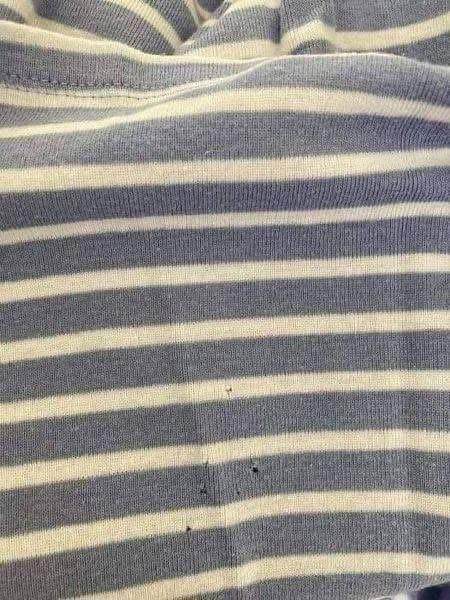
Finding a cluster of tiny, puzzling holes in a beloved piece of clothing is a frustration familiar to anyone, often triggering an immediate hunt for a culprit. While many instinctively blame moths or sneaky silverfish hiding in the closet, the true cause of fabric wear is usually far more ordinary and mechanical. These holes rarely appear from a single incident; instead, they result from the gradual breakdown of a textile’s structural strength. Recognizing the many factors that contribute to this wear—ranging from friction to chemical exposure—is key to caring for your wardrobe and keeping cherished garments intact for years.
The most common culprit is everyday friction. Clothing is made of interwoven fibers, each with points of vulnerability. The lower front of shirts, especially around the waistline, is a frequent site for small holes—not because of insects, but because of repeated contact with belt buckles, jean buttons, or countertop edges. Daily movement causes the fabric to rub against these hard surfaces, eventually thinning the fibers until they snap. Similarly, the regular use of backpacks or shoulder bags can wear down delicate fabrics, creating small holes over time.
The laundry room, intended for cleaning, often accelerates damage. Overloading the washing machine prevents clothes from moving freely, causing them to rub together aggressively. Heavy items like jeans can act as abrasives against lighter fabrics, while high-speed spin cycles stretch fibers beyond their limit. Unfastened zippers or bra hooks can snag surrounding clothing, tearing threads during the wash.
Heat and chemicals also affect durability. High temperatures in washing and drying can make natural fibers brittle, while excessive bleach weakens fiber bonds, leaving hidden weak spots. Overuse of detergent can leave stiff residue that makes fabric more prone to breaking.
Preventing these holes starts before washing. Fastening zippers, snaps, and hooks protects other garments. For delicate fabrics, using mesh laundry bags creates a barrier against mechanical stress. Sorting clothes by weight as well as color prevents heavy items from rubbing against lighter fabrics.
Daily wear habits also matter. Being aware of areas prone to abrasion, like sharp desks or belt edges, allows small adjustments—tucking in shirts or choosing smoother belts can make a difference. Rotating clothing prevents overuse of favorite pieces, giving fibers a chance to recover.
Storage is equally important. While moths are sometimes blamed unfairly, they can threaten wool, silk, and cashmere. Airtight containers or natural deterrents like cedar or lavender can protect these garments. Proper hanging or folding prevents stress points: thin wire hangers can create shoulder bumps, while padded hangers or folding heavy knits distributes weight and preserves shape.
In short, small holes are a signal that current care practices are wearing the fabric down. While no material lasts forever, most of these holes are preventable through physical protection and careful laundering. Treating laundry gently and being mindful of daily wear can significantly extend the life of clothes. Caring for clothing thoughtfully is not just about saving money—it’s about respecting the craft and resources behind each piece, keeping your favorite garments as fresh and intact as the day you bought them.