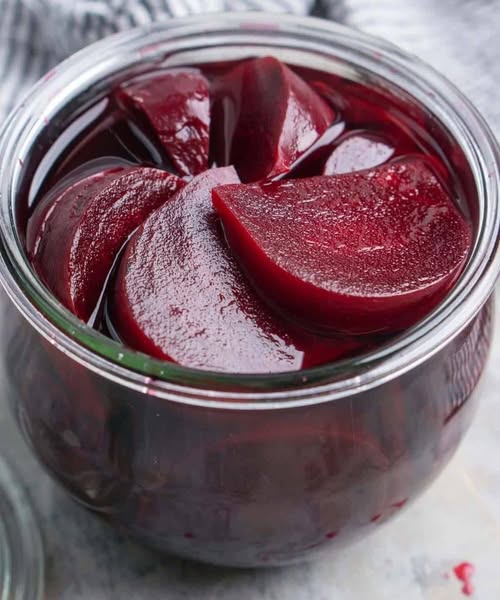
Beets are often called a “superfood,” but the truth is simpler—and more impressive—than the hype. They don’t promise miracles, but when eaten regularly, they create real, measurable effects in your body. Within hours, compounds in beets start affecting blood flow, muscle oxygen use, and cellular communication. That deep red root doesn’t shout wellness—it quietly rewires parts of your physiology.
The most studied benefit comes from beets’ natural nitrates. These simple molecules convert into nitric oxide in the body, which relaxes blood vessels. Wider vessels allow blood to flow more freely, easing pressure on the heart. Many people notice a subtle sense of calm or warmth after a beet-heavy meal. Athletes use this effect to improve endurance, since better blood flow delivers more oxygen to muscles. Older adults can also benefit, not as a cure, but by supporting healthy circulation essential for memory, energy, and focus.
Beets offer more than circulation support. Their fiber feeds good gut bacteria, aiding digestion and regulating blood sugar. Fiber slows glucose absorption, helping meals release energy steadily. A diet with plants like beets creates a chain reaction—better digestion, sustained energy, and less strain on insulin.
The pigments in beets, called betalains, add another layer of support. These antioxidants help reduce slow, low-level inflammation caused by stress, aging, or diet. They don’t “detox” in a trendy sense, but they reduce the liver’s workload and help cells and tissues function better.
Beets also supply key nutrients: folate for brain and cell health, potassium for nerve and muscle function, manganese for metabolism, and iron to carry oxygen in the blood. None are unique to beets, but together they make a very nutrient-dense food. Small, consistent choices—like adding beets a few times a week—can strengthen your body’s baseline health.
It’s important to stay realistic. Beets support health—they don’t cure disease, burn fat, or perform miracles. Beet juice can raise blood sugar if fiber is removed. Nitrates help but don’t replace medical treatment. Beets nourish, they don’t perform magic.
Some people notice harmless side effects, like red-colored urine or stool (beeturia). Those prone to kidney stones or needing low oxalate diets should monitor portions, as beets contain moderate oxalates. And because beets can lower blood pressure, anyone on related medications should take care. For most, though, beets fit easily into a healthy diet.
The real benefit of beets isn’t a quick fix. It’s the long-term habit of eating nutrient-rich, minimally processed foods. Health comes not from extreme cleanses or trendy “superfoods,” but from consistent, real food choices. Beets can be roasted, blended, grated, steamed, or juiced. Add them to salads for sweetness, soups for depth, or pair them with citrus and herbs for energy.
Foods like beets make a lasting difference. They support circulation, digestion, and provide essential nutrients without complicated rituals. One serving won’t transform your health, but regular servings improve aging, recovery, and stress response.
Beets work quietly. No sudden energy spike or dramatic effect. Instead, they gradually improve stamina, blood sugar, and focus. Over months and years, these small changes build a foundation of health—easier stair climbs, sustained attention, and less fatigue during workouts.
Choosing beets also encourages better overall eating. If a meal includes beets, it often includes leafy greens or other whole foods. Plant-focused meals are naturally higher in fiber, lower in sodium, and richer in vitamins. The point isn’t just the beet—it’s the chain reaction of healthier choices it creates.
Most importantly, beets encourage a mindset shift. Health isn’t about quick fixes—it’s built on consistent, ordinary choices. A beet salad on a Tuesday, beet soup in winter, or a smoothie with diced beets all matter. These small acts of nourishment create a lifestyle pattern.
Beets aren’t flashy. They stain cutting boards, taste earthy, and leave pink streaks on your hands. But their effect is steady, scientifically backed, and supports the heart, brain, muscles, and gut. They fit nearly every diet style, from plant-based to athletic performance.
Their impact isn’t extreme—it’s sustainable. Your body thrives on steady, nourishing habits, not extremes. Beets quietly do the work, meal after meal, with no demands.
In the end, the real upgrade isn’t the beet itself. It’s choosing foods that help your body function as it should—a slow, honest investment in long-term health.