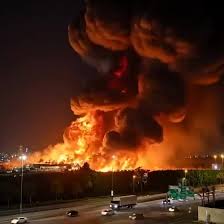
Posts and images spreading across social media can make it feel like news is unfolding in real time, but during fast-moving conflicts, accuracy matters more than speed. In recent days, claims about sudden developments in Tel Aviv and nearby areas have circulated widely, often using vague sources or phrases like “just now.” While these posts grab attention, it’s crucial to separate what is verified from what is speculation. Doing so helps prevent confusion and limits the spread of misinformation during already tense situations.
One of the most discussed events has been the incident in Beit Shemesh. According to multiple reliable reports, the area was hit by a ballistic strike linked to Iranian launches. The attack, which took place on March 1, 2026, resulted in nine confirmed deaths and many injuries. Several victims were inside shelters at the time, showing both the seriousness of the strike and the importance of protective infrastructure. Avshalom Peled, Deputy Commissioner and Jerusalem District Police Chief, provided details about how sheltering procedures helped reduce casualties despite the intensity of the impact. Official visits and follow-up reports the next day confirmed these findings.
Some viral claims suggested that a synagogue collapsed onto a shelter beneath it. However, reporting from The Times of Israel indicates that while the area, including a synagogue and nearby shelter spaces, was damaged, there is no confirmed evidence of a full structural collapse. The most accurate understanding is that the strike affected both the religious site and surrounding protected areas, without verified details about total collapse.
This incident is part of a wider escalation involving Israel, Iran, and the United States. Military actions, political responses, and humanitarian concerns are all unfolding at once. Isaac Herzog has emphasized cooperation with U.S. efforts to limit Iran’s nuclear ambitions, while organizations like the United Nations continue to stress the importance of protecting civilians, especially children.
A major focus has also been on civil defense systems. Shelters play a critical role in reducing harm from blasts and debris, but their effectiveness depends on factors like construction quality and distance from impact sites. Authorities have made it clear that shelters cannot guarantee complete safety, particularly during heavy attacks, but they significantly improve survival chances. Ongoing reviews of warning systems and interception technologies aim to strengthen these protections further.
At the same time, social media remains a powerful but risky source of information. Many posts are designed to feel urgent but lack verification, sometimes mixing old footage with new claims. For accurate updates, it’s better to rely on official government statements, established outlets, and trusted agencies like Reuters. Information that includes named officials and confirmed sources is far more reliable than anonymous or vague reports.
Responsible reporting also matters. Using neutral language, avoiding speculation, and clearly stating what is confirmed versus unknown helps people understand the situation without unnecessary panic. Highlighting facts—like shelter use, emergency response, and verified casualty numbers—keeps the focus on reality rather than exaggeration.
What is confirmed from the Beit Shemesh incident is clear: nine people lost their lives, many others were injured, and the community experienced significant disruption. While some details remain uncertain, especially regarding structural damage, there is no doubt about the human impact and the dangers civilians faced even while seeking shelter.
The rapid spread of information online shows how difficult it can be to distinguish truth from rumor. Claims labeled as “breaking” or “just minutes ago” should always be treated carefully and checked against reliable sources. Cross-referencing official updates and trusted reporting is essential.
As events continue to unfold, attention remains on humanitarian consequences, regional tensions, and global implications. The situation involving Israel and Iran—along with the role of the United States—affects not only those directly involved but also international stability and security.
In the end, this situation is a reminder that fast information isn’t always accurate information. The developments in Tel Aviv and Beit Shemesh show how quickly events can escalate—and how important it is to rely on verified facts. Careful reporting, critical thinking, and responsible sharing are essential in moments like these.