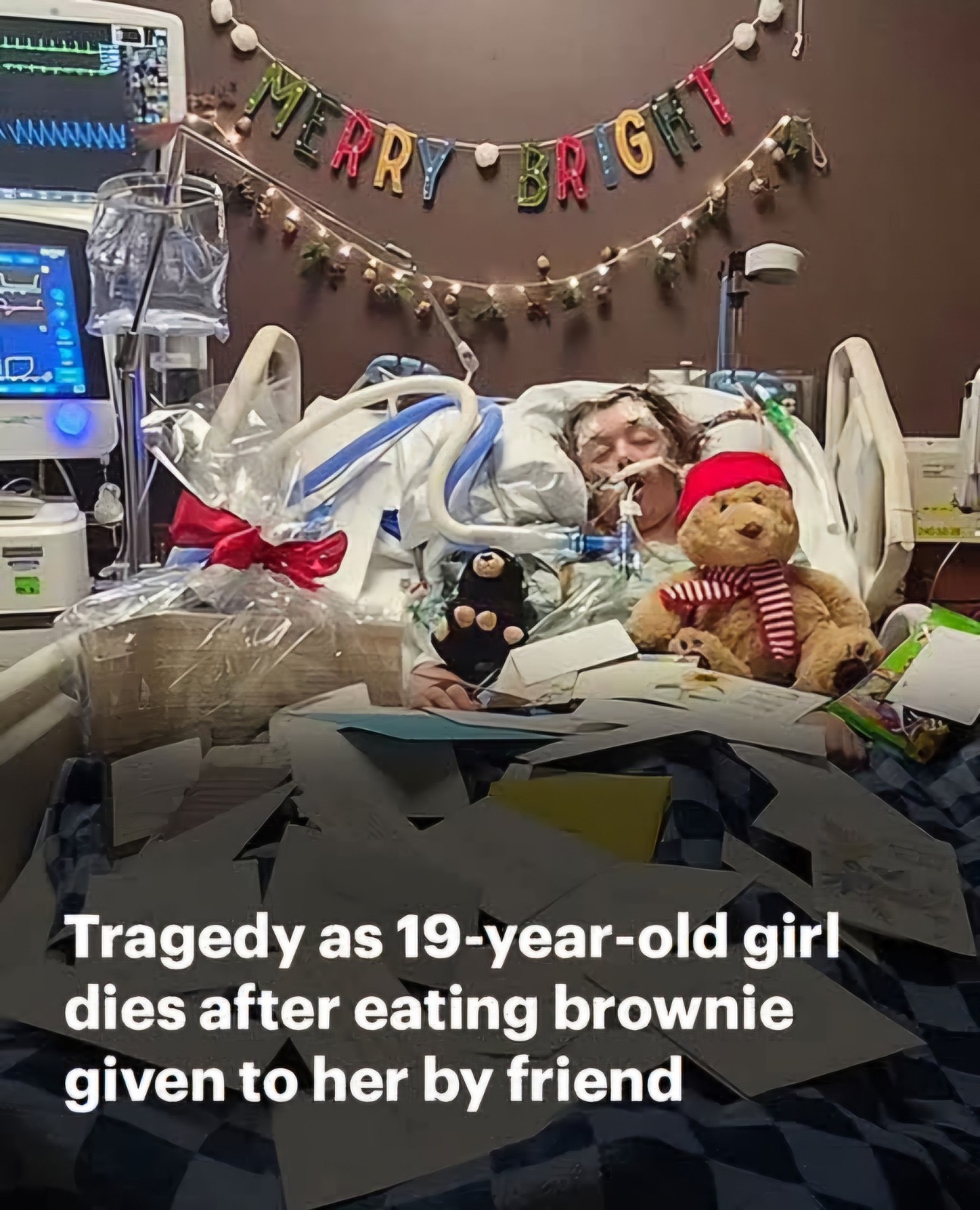
A single act of kindness turned into a heartbreaking tragedy, leaving a family devastated and a community confronting the harsh reality of severe food allergies. The death of Hannah Glass, a freshman at Maranatha Baptist University, has highlighted how quickly an ordinary moment can become fatal when hidden allergens are involved.
Hannah was known among friends and classmates as thoughtful, gentle, and deeply committed to her faith. She had a bright future and a strong sense of purpose. She also had a severe peanut allergy—a condition she managed responsibly. Those who knew her understood that peanuts were not merely a dietary concern, but a life-threatening danger.
On November 4, 2024, Hannah attended a women’s group gathering on campus. A friend offered her a brownie, made with roasted peanut flour as a gluten-free alternative for others. Hannah was unaware of this ingredient, and nothing indicated peanuts were present. Trusting her friend, she took a bite.
According to her father, David Glass, Hannah realized something was wrong almost immediately. “By the second bite, she knew,” he said. But it was too late. The allergen triggered a rapid and severe reaction.
Symptoms escalated fast. Hannah vomited and developed hives—classic signs of anaphylaxis. She used her EpiPen and took Benadryl, following her emergency routine. For a brief moment, it seemed to help, and she lay down to rest.
Then her condition collapsed.
Within minutes, Hannah suffered a right lung collapse, an extremely rare complication of anaphylactic shock. Paramedics arrived to find her in critical condition. During resuscitation, her heart stopped for about four minutes. Although she was revived, the damage was severe. During transport to Froedtert Hospital, she experienced seizures and significant brain swelling. She was placed on a ventilator, unresponsive, and doctors warned her family the prognosis was grim.
For days, Hannah’s parents remained at her side, holding onto hope while facing the reality presented by medical teams. After five days, they were told most of Hannah’s brain had sustained irreversible damage, with no meaningful chance of recovery.
The family made the heartbreaking decision to remove her from life support. In a statement, they described her injuries as “unmistakably, critically, and terminally severe.” Amid their grief, they also chose to donate her organs, saving four lives in the process. Even in death, Hannah gave others a chance at life.
Her funeral at Calvary Baptist Church drew more than 1,000 mourners. Friends, classmates, faculty, and community members filled the space, remembering Hannah as an exceptional student, devoted church member, and kind-hearted young woman whose generosity touched everyone she met.
In the days following, tributes poured in. Students shared stories of her quiet acts of kindness, professors highlighted her dedication and character, and the community mourned deeply. A fundraiser on GiveSendGo raised over $28,000 to support her family, though the emotional support—prayers, messages, and shared grief—meant just as much.
Hannah’s parents have spoken publicly with a clear purpose: to raise awareness rather than assign blame. They emphasize the dangers of hidden allergens, especially in foods modified for dietary restrictions, like gluten-free products made with peanut flour. Their message is urgent: always communicate ingredients clearly, never assume a food is safe, and treat every allergy seriously, even in trusted settings.
They also remind families with severe allergies to remain vigilant: keep EpiPens accessible and current, and never downplay potential risks. Hannah’s death was preventable—not due to negligence, but because of a hidden ingredient and a chain reaction that unfolded too quickly.
Hannah’s life, though short, continues to make an impact. Through organ donation, she saved others. Through her family’s openness, she may prevent similar tragedies by encouraging honest conversations about food safety and allergy awareness.
Hannah Glass is remembered not just for her passing, but for how she lived: with kindness, faith, and generosity. Her legacy carries a powerful lesson for everyone: transparency is essential for those with severe allergies, and a single bite can change everything.