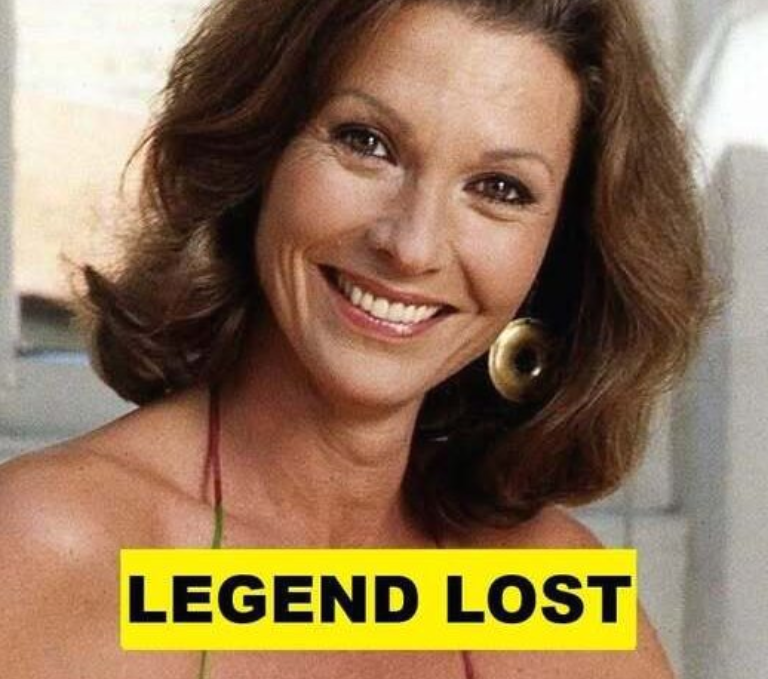
The entertainment world is in mourning following the passing of the remarkable Pamela Salem at age 80. A consummate actress whose career spanned continents, mediums, and genres, Salem left an indelible mark on British theater, film, and television, as well as on some of the most beloved franchises in pop culture history. From the high-stakes world of James Bond espionage to the bustling streets of Walford in EastEnders, Salem brought a combination of elegance, intelligence, and versatility that few performers could match.
Born in Bombay, India, in 1944, Salem’s path into the arts was international from the outset. She pursued higher education at Germany’s University of Heidelberg before training at London’s prestigious Central School of Speech and Drama. Like many of her generation, she refined her craft in repertory theaters across the UK, performing in cities such as Chesterfield and York. This intensive foundation in Shakespeare, Chekhov, and Pinter gave her the emotional depth and technical precision that would make her a sought-after talent for both stage and screen.
To global audiences, Salem may be best remembered for her portrayal of Miss Moneypenny in the 1983 James Bond film Never Say Never Again. Stepping into one of cinema’s most iconic roles, particularly alongside Sean Connery’s return as 007, she imbued the character with intelligence, charm, and poise, earning a permanent place in the Bond legacy. Her film career also included a standout role in the 1978 heist movie The Great Train Robbery, again sharing the screen with Connery, demonstrating her ability to hold her own in star-studded ensembles.
Salem also left a lasting impression in the realm of science fiction. Doctor Who fans fondly remember her as Professor Rachel Jensen in the 1988 serial Remembrance of the Daleks, a role she reprised in numerous audio dramas produced by Big Finish Productions. She first appeared in the series as Toos in the 1977 serial The Robots of Death. Her work with Big Finish in her later years showcased not just her talent but her warmth, making her beloved within the tightly knit audio drama community.
David Richardson, her producer at Big Finish, offered a heartfelt tribute after her passing, describing Salem as a “kind soul” devoid of the pretension often associated with stars of her stature. Richardson recalled how she would fly from Florida for recordings, arriving with smiles, hugs, and thoughtful gifts for the crew. Her genuine interest in everyone she met—from co-stars to visiting guests—cemented her reputation as a cherished presence in the studio.
For fans of British soap operas, however, Salem will always be remembered as Joanne Francis on EastEnders. She appeared in 37 episodes between 1988 and 1989, arriving in Albert Square during one of the show’s most legendary periods. As a high-ranking member of the criminal organization “The Firm,” Joanne was sent to manage Strokes Wine Bar, a front for illegal gambling, immediately putting her in conflict with the show’s iconic anti-hero, “Dirty” Den Watts, played by Leslie Grantham.
The interplay between Joanne and Den exemplified screen chemistry at its finest. Their initial power struggle evolved into mutual respect and a nuanced friendship. Salem’s portrayal brought sophistication, strategic thinking, and poise to the soap’s criminal underworld, demonstrating her ability to balance melodrama with gravitas.
Later in life, Salem traded London’s rainy streets for Florida’s sun-soaked shores, settling in Surfside, Miami Beach, where she cherished mornings by the Atlantic. It was here, in this serene setting, that she passed away, leaving behind a legacy that continues to inspire.
The year 2026 has been marked by the loss of several figures who bridged the golden age of 20th-century entertainment with contemporary culture. Like the recent developments surrounding Bruce Willis or Elton John’s retirement, Salem’s passing invites reflection on a generation of artists who valued craft, discipline, and audience respect. She moved seamlessly between the intellectual rigor of Pinter’s plays and the accessibility of primetime television, always maintaining her integrity and unique presence.
Tributes from across the globe highlight the breadth of her influence. She mentored younger actors, supported her peers, and captivated millions of viewers. Her Doctor Who work, particularly in audio dramas, ensures that her voice and talent will reach new generations of fans.
In an industry often obsessed with novelty, Salem’s career stands as a testament to longevity and dedication to the craft. Her performances graced both prestigious stages and widely watched screens, but her greatest legacy may be her warmth and kindness, qualities colleagues consistently celebrated. Whether facing Daleks, managing a gambling den, or sharing the screen with James Bond, Pamela Salem brought a singular grace to every role.
For those wishing to revisit her remarkable work, her EastEnders episodes remain a touchstone of late-1980s television, while her portrayals as Professor Rachel Jensen continue to be celebrated within the Doctor Who universe. Though she has passed, Pamela Salem’s light—through stage, screen, and audio—remains luminous.