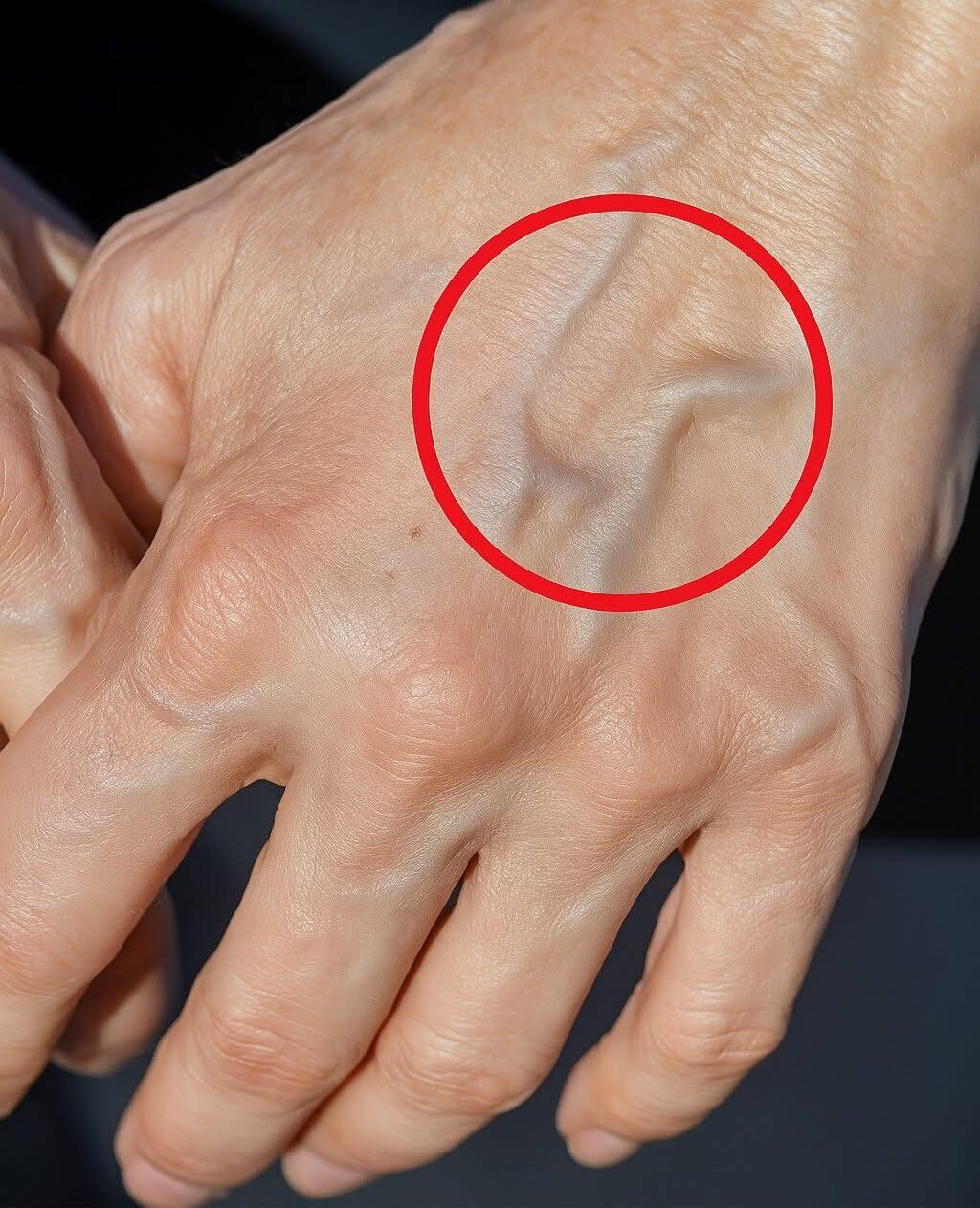
Visible veins have a way of catching your attention at the most unexpected moments. You’re washing your hands, passing a mirror, or stretching after a workout—and suddenly those blue or green lines beneath your skin seem sharper, brighter, and more pronounced than ever. For some, it’s merely a curiosity. For others, it raises questions: Why do my veins look like this? Should I be concerned? What may seem like a simple cosmetic change can actually reveal a lot about what’s happening under your skin, whether it’s normal or worth a closer look.
Veins quietly return deoxygenated blood to the heart, aided by tiny valves and the rhythm of your muscles. They sit closer to the skin than arteries, making them sensitive to temperature, activity, hydration, and blood pressure changes. When these fluctuate, veins respond—and sometimes make themselves noticed.
In many cases, visible veins are harmless. Thin skin or low body fat naturally makes veins more obvious. Athletes often notice veins popping during or after exercise due to increased blood flow. Warm weather can accentuate veins as heat dilates them. Genetics also plays a role—if your parents had prominent veins, you might too. Aging is another factor; as skin loses collagen and elasticity over time, veins become more visible. These are normal biological changes.
However, some visible veins signal an underlying issue. Chronic venous insufficiency occurs when vein valves weaken, causing blood to pool in the legs, resulting in swelling, heaviness, and bulging veins. Varicose veins, twisted and enlarged, may feel achy or itchy. While not usually dangerous, they can indicate deeper circulation problems.
More urgent conditions exist. Superficial thrombophlebitis involves a blood clot near the skin, creating a tender, rope-like vein. Deep Vein Thrombosis (DVT) is more serious—a clot in deeper veins can travel to the lungs, causing a potentially fatal pulmonary embolism. Symptoms like sudden swelling, pain, warmth, or redness in one leg require immediate medical attention.
Temporary lifestyle changes can also make veins more prominent. Dehydration, hormonal fluctuations during menstruation, pregnancy, or menopause, and sudden weight loss can all reveal veins that were previously less noticeable.
Knowing when to consult a doctor is crucial. Sudden vein visibility without obvious cause—no exercise, heat, or weight change—warrants monitoring. If accompanied by swelling, pain, itching, or skin changes, see a healthcare provider to determine whether it’s cosmetic or a circulatory issue needing treatment.
For managing visible veins, lifestyle adjustments help. Stay hydrated, keep active, elevate your feet, and avoid smoking. Compression stockings can reduce swelling and support vein health. Medical treatments like sclerotherapy, laser therapy, or minimally invasive procedures can address more severe cases or cosmetic concerns.
There’s also an emotional aspect. Veins can affect confidence, especially if they appear suddenly. Yet for athletes, prominent veins often symbolize strength, discipline, and achievement. Perspective matters.
Ultimately, visible veins reflect both appearance and health. Most are harmless, tied to genetics, fitness, or age, but they can also indicate circulation issues. Pay attention to your body, and if new or painful veins appear, consult a professional. Veins are messengers beneath the skin—listening to them offers insight into your overall well-being.