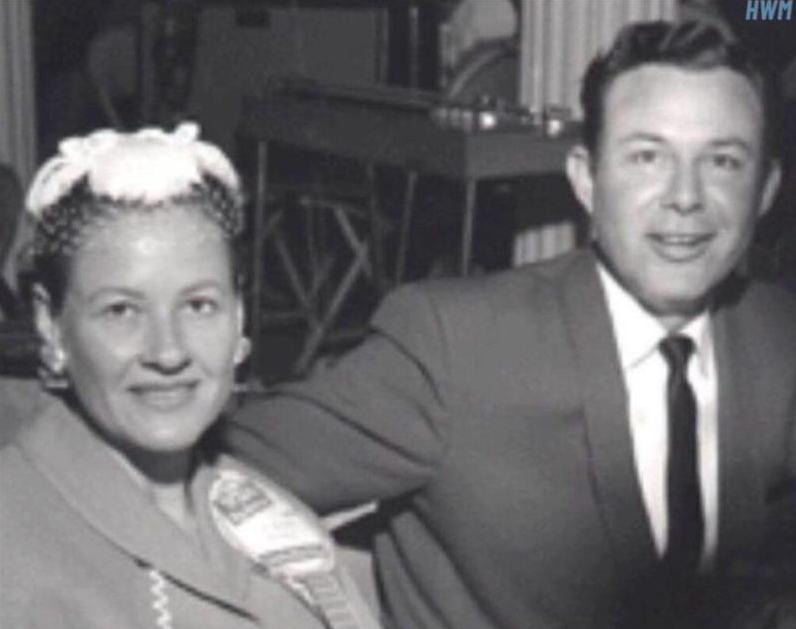
In 1960, Jim Reeves released a song that quietly but permanently reshaped country music. “He’ll Have to Go” didn’t rely on dramatic flourishes or booming drums. It didn’t need to. Its smooth, almost conversational delivery slipped into radios and jukeboxes, and before long, it had crossed musical, cultural, and generational boundaries.
At the heart of the song was Reeves’ voice. Warm, controlled, and rich, it felt less like a performance and more like a personal confession. While many country singers of the time leaned into twang and rawness, Reeves offered polish and restraint without losing emotional depth. That balance became his trademark, and it was never more evident than in this record.
By then, Reeves was already an established figure in country music, known affectionately as “Gentleman Jim.” Born in Texas, he had worked as a radio announcer before committing to music, which shaped his impeccable diction and calm delivery. He understood pacing, he understood silence, and above all, he knew how to make listeners lean in.
The song’s origin was surprisingly intimate. Written by Joe Allison and Audrey Allison, it was inspired by a real moment Joe overheard: a man speaking urgently on the phone, asking the woman on the other end to come closer so he could hear her better. That ordinary, mundane line became the opening plea: “Put your sweet lips a little closer to the phone.”
Its brilliance lay in simplicity. No metaphors, no over-the-top drama—just longing, vulnerability, and the quiet fear of losing someone. When Reeves delivered that line, it didn’t feel performed; it felt overheard, like the listener had stumbled into a private moment.
Chet Atkins’ understated production enhanced the song’s timelessness. Soft backing vocals, gentle strings, and a restrained rhythm section created space, letting Reeves’ voice shine. The song breathed, allowing its emotional power to land fully.
Upon release, “He’ll Have to Go” quickly became a sensation. It hit number one on the Billboard Country Chart and crossed over to the pop charts, peaking at number two. Such crossover success was rare at the time, especially for a country ballad that refused to chase pop trends. The song proved that country music could be refined, subtle, and still connect widely.
Beyond the charts, the song became a cultural touchstone. Its theme—a plea for one last chance, a quiet request to be chosen—was universal. Reeves didn’t dramatize heartbreak; he trusted the emotion, and audiences responded.
The song’s success transformed Reeves’ career. He became an international star, touring widely and introducing country music to audiences far beyond the U.S. He served as an ambassador for the genre, demonstrating that elegance didn’t diminish emotional authenticity. His style expanded the possibilities of country music.
“He’ll Have to Go” also helped define the Nashville Sound—a smoother, orchestrated approach blending country and pop sensibilities. This wasn’t about abandoning tradition; it was about refinement. Reeves’ performance became a blueprint for artists navigating the space between genres. Decades later, Shania Twain, Taylor Swift, and Keith Urban would follow in his footsteps.
Tragically, Reeves’ life ended in a plane crash in 1964 at age 40. His passing shocked the music world, yet his voice lived on. “He’ll Have to Go” continued to play on radios long after his death, its quiet plea resonating with new generations.
Reeves was posthumously inducted into the Country Music Hall of Fame, honoring not just his success but his lasting influence. Vocalists still study his phrasing, control, and emotional honesty.
Today, the song remains one of country music’s most beloved. It appears in films, TV shows, and commercials, evoking intimacy and nostalgia. New listeners discover it each year, drawn by its simplicity and Reeves’ calm authority.
Its enduring appeal comes not from production tricks or complex lyrics but from restraint. It trusts silence, trusts emotion, and trusts the listener to feel without being told how.
Jim Reeves proved that country music could be sophisticated, universal, and deeply human. “He’ll Have to Go” was more than a hit—it was a defining moment that reshaped the genre. Over sixty years later, it still feels personal, still feels honest, and still reminds us why the simplest songs often endure the longest.