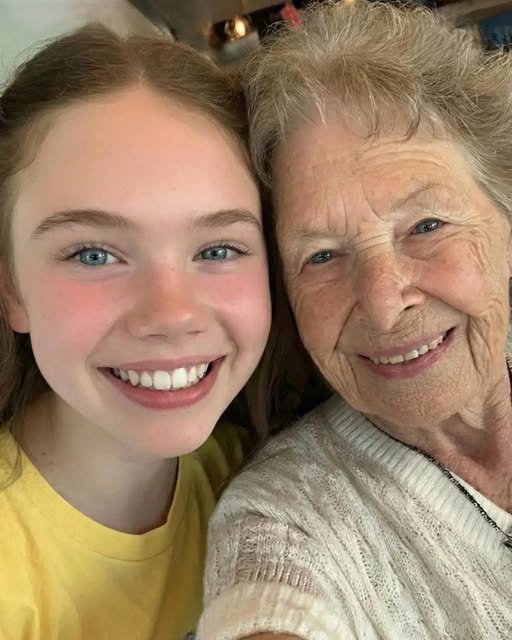
I was thirty-two when I learned that the story holding my life together had been carefully, lovingly invented. For most of my life, I believed I was an orphan—the lone survivor of a rain-soaked highway accident that took both my parents and placed me in my grandmother’s care. In my mind, I had mourned three deaths: my mother, my father, and later, the woman who raised me. Then, three days after her funeral, sitting at our worn vinyl kitchen table, a letter arrived that quietly erased the past I thought I knew and replaced it with a deeper truth.
The house still carried her presence. The air held traces of cinnamon and detergent, as if she had only stepped out for a moment. Her cardigan remained draped over the back of her chair, one sleeve sliding toward the floor in quiet surrender. Out of habit, I filled the kettle and placed two mugs on the table. Only when the water began to simmer did I realize one cup was for someone who would never sit there again. I whispered a denial of my grief, but I made the tea anyway—because that’s what she would have done.
The envelope bore her unmistakable handwriting: strong, neat, shaped by years of hard work. Breaking the seal felt like stepping back into childhood. “My girl,” it began. “If you’re reading this, my stubborn heart finally gave out. I’m sorry to leave you alone again.” That single word—again—caught painfully in my thoughts. As I read on, she reassured me of one thing above all else: I had never been unwanted, not even for a moment.
That year of transition when I was six exists in my memory as fragments—lowered voices, damp pavement, the smell of rain. I remembered a social worker explaining, gently but distantly, that my parents had died in a car accident. She said it was quick, painless. I spent hours staring at a stain in the carpet, trying to understand what “forever” meant. Then my grandmother arrived. She knelt in front of me, her coat cold with mountain air, and asked softly, “Hey, bug. Ready to come home with me?” When I asked where home was, she answered, “With me. That’s all that matters.”
Our life together was built on quiet sacrifice. She worked mornings at the laundromat and cleaned office buildings at night, her hands carrying the scent of bleach and lemon polish. On weekends, she altered clothes at the kitchen table while I wrestled with homework. Her sweaters wore thin at the elbows; her shoes were held together with more duct tape than sole. At the store, she counted every dollar carefully, returning small luxuries to the shelf with a tired sigh.
Yet my world never felt small. School trips were always paid for. Birthdays meant cakes with my name written in thick frosting. Money for school photos appeared in crisp envelopes. Every fall brought new notebooks and freshly sharpened pencils. At church, people often mistook us for mother and daughter. She would smile and say, “She’s my girl. That’s all.”
We had routines that belonged only to us: overly sweet Sunday tea, card games she somehow forgot how to win when I was losing, library visits where she pretended to browse adult novels but always ended up beside me. At night, she read aloud until sleep overtook her mid-sentence. I’d take the book from her hands and tuck a blanket around her shoulders. Our world was small, complete, and safe.
That sense of security cracked when I turned fifteen. Poverty began to feel like confinement. In high school, worth was measured in polished cars, and I watched classmates drive away while I stood waiting for the bus, ink-stained pass in hand. Resentment crept in slowly. One evening, as she sorted unpaid bills, I demanded a car. She calmly said it would have to wait. I lashed out, calling her cheap, accusing her of saving money while I paid the price socially.
The word struck her hard. Her expression changed—tight, wounded. She didn’t raise her voice, only said the conversation was over. I slammed my bedroom door, already planning to apologize the next day. But morning came with a silence that felt wrong. I found her in her room, still in her work clothes, her hand cold. The doctors said it was quick. Painless.
For me, it wasn’t. Guilt, regret, and loneliness settled heavily. But her letter guided me to the top shelf of her closet, behind a blue shoebox. There was a folder—savings, a college fund, life insurance. The amounts stunned me. They didn’t match the sacrifices I’d witnessed. A note was attached: For your education. And maybe a modest car, if I’m not around to argue about it.
Then came the truth that stole my breath. “They told you your parents died in a car crash,” she wrote. “They didn’t. Your parents went to prison—fraud, forgery, assault. They chose money over you.”
She explained the choice she had faced: burden a six-year-old with the truth and the shame of abandonment, or give her a gentler story—one of tragic loss rather than deliberate rejection. She chose the lie that protected my heart. She worked endlessly, lived frugally, and carried that secret so I could grow up believing I was loved.
Seventeen years have passed since I read her words. Today, I stand in a narrow dressing room beneath flickering lights, holding a small glass award for Best Actress. I place the letter beside it and finally understand: my ability to live inside stories, to uncover truth through fiction, came from her.
I never searched for my parents. I never needed to. She didn’t lie to take something from me—she lied to give me a life. She gave me love instead of rejection, safety instead of shame. In the end, she was more than my grandmother. She was the designer of my survival. And her lie was the truest act of love I have ever known.