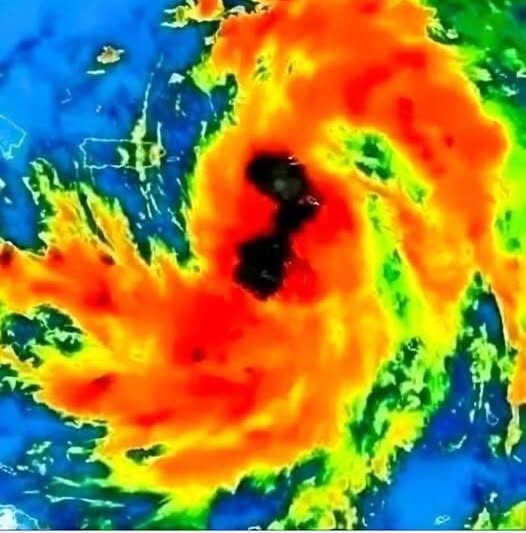
The Caribbean and the Southeastern United States are currently facing an unprecedented onslaught of natural forces, where seismic activity, atmospheric disturbances, and tropical threats collide in a perfect storm of chaos. This extraordinary convergence has created both logistical and humanitarian challenges, marking one of the most complex and dangerous weather periods in recent memory. From undersea tectonic shifts to towering Saharan dust clouds, the region is experiencing a multidimensional crisis testing the limits of infrastructure, resilience, and human endurance.
It began subtly but ominously. A powerful earthquake near Trinidad shook local communities already on high alert due to an active hurricane season. The quake caused limited structural damage, yet its psychological impact was profound. In an area where solid ground is normally the only constant amid Atlantic storms, the tremor served as a stark warning that nature’s threats were escalating—from the earth to the air and sea.
As the ground settled, a dense plume of Saharan dust moved across the Caribbean, enveloping islands in a sepia-toned haze. This was no ordinary seasonal dust; it reduced air quality to hazardous levels, forcing thousands with respiratory conditions to remain indoors. Fine grains coated everything—from solar panels to hospital entrances—reducing visibility and disrupting regional aviation and maritime operations.
Meanwhile, torrential rainfall across parts of Central America and the Caribbean triggered catastrophic floods, transforming streets and neighborhoods into swift-moving rivers. Bridges, roads, and power lines were swept away, isolating entire communities from emergency services. Families clung to rooftops, awaiting rescue from debris-filled waters. These floods were more than a weather event—they were a severe humanitarian crisis compounding economic fragility in the region.
Adding further danger, Tropical Storm Flossie churned across the Atlantic, fueled by unusually warm ocean waters. Meteorologists warned that the storm could intensify rapidly, threatening the U.S. Southeast and the already battered Caribbean islands with life-threatening storm surges, hurricane-force winds, and devastating rainfall.
What makes this situation uniquely perilous is the compounding effect of overlapping disasters—so-called “cascading risks.” Flooded soil becomes unstable, leading to landslides; hospitals already struggling with dust-related illnesses could be overwhelmed by storm victims; emergency responders face stretched resources, managing crises on multiple fronts simultaneously.
In the U.S. Southeast, communities braced for impact. Coastal residents, seasoned by decades of hurricanes, recognized that this week’s conditions were exceptional. Evacuation routes were mapped, sandbags stacked, and utility crews positioned in preparation, yet officials understood that the storm’s full potential could overwhelm even the best-laid plans.
Despite the danger, human resilience shone through. In the Caribbean, neighbors formed impromptu rescue teams, using small boats to reach stranded families. Community centers in the U.S. became hubs for information and aid distribution. A shared sense of purpose emerged—the dust choking throats in Barbados was part of the same system that could soon push a surge of water into Florida homes.
Digital communication networks strained under the load of millions seeking real-time updates and checking on loved ones. The paradox was evident: more information was available than ever, yet the physical reality of the disasters often made it impossible to act on that data.
Authorities urged vigilance: secure property, protect respiratory health from the dust, and prepare to evacuate at a moment’s notice. The combination of an earthquake, Saharan dust, catastrophic flooding, and a developing tropical storm constitutes a rare “black swan” event, demanding unprecedented cooperation among communities and governments.
The days ahead will define the resilience of both the Caribbean and the American South. The physical and emotional scars left by these overlapping disasters will endure long after the storm subsides. For now, under a hazy, dust-filled sky, the region braces for Flossie, hoping for the best while preparing for a trial that is just beginning. Survival is no longer a matter of individual effort—it depends on collective endurance in the face of nature’s relentless fury.