After a warm bath, your body is in a fragile transition zone. Heat causes blood vessels near the skin to widen, a process known as vasodilation. While this improves circulation and creates that pleasant feeling of warmth, it also lowers blood pressure because the wider vessels allow blood to spread out more easily. The heart must work slightly harder to maintain stable circulation during this shift. As soon as you step out of the water, however, the environment around you changes abruptly. If the air is cool — which many bathrooms are — those dilated vessels react instantly. They tighten to preserve body heat, causing a sudden rise in blood pressure. For a healthy person, the body usually adjusts smoothly, but for someone with hypertension, narrowed arteries, or an already overworked heart, this sudden constriction can become a dangerous shock. A rapid swing from warm vasodilation to cold-induced tightening forces the cardiovascular system into a stressful tug-of-war. The heart must pump harder, circulation becomes uneven, and oxygen delivery can momentarily drop. This is why stepping straight into a cold hallway, standing near an open window, or blasting yourself with cold water “to finish the shower” can create a harmful jolt.
Instead, experts recommend easing the body through this transition gently. Dry yourself off promptly to reduce heat loss, wrap a towel or robe around your shoulders, and dress warmly to keep your circulation stable. Allow your body temperature to decrease gradually in a room that feels comfortable and steady — not too warm, not too cold. A few small precautions can prevent your cardiovascular system from being thrown back and forth between extremes.
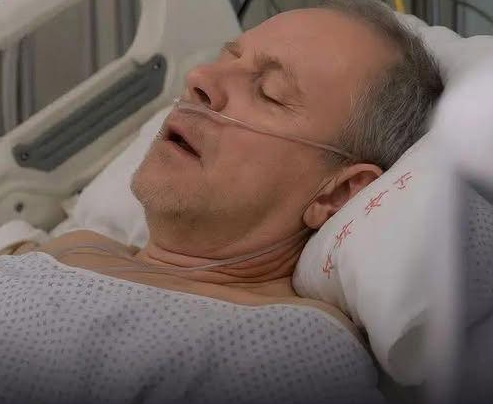
But temperature is only one part of the equation. The next few minutes after bathing are equally important. One of the most common but overlooked mistakes people make is lying down immediately after a bath or shower. Because your blood pressure is already slightly lower from the warmth, lying flat can cause it to dip even further. Blood may pool in the lower parts of the body instead of returning efficiently to the brain. For sensitive individuals — including older adults, people with anemia, those who are dehydrated, and individuals with heart or circulation problems — this can increase the risk of feeling light-headed, experiencing momentary vision blackouts, or even fainting. In a worst-case scenario, a fall can cause head injuries or broken bones. Many bathroom accidents begin exactly this way, triggered not by clumsiness but by a rapid drop in blood pressure that no one saw coming.
To avoid this, stay upright for at least 15–30 minutes after bathing. Move slowly and deliberately, allowing your cardiovascular system time to rebalance itself. Light activity — such as brushing your hair, applying skincare, or performing gentle stretches — can help stabilize circulation. Avoid sudden movements like bending over quickly or standing up too fast, which can cause a further dip in blood pressure.
Timing matters too. Bathing immediately after eating a heavy meal or finishing an intense workout can further strain the body’s ability to regulate blood flow. After eating, digestion pulls a significant amount of blood toward the stomach and intestines. Adding the vasodilation from a hot bath on top of that forces the body to divide blood flow between maintaining stable circulation, aiding digestion, and managing temperature changes — a combination that can leave the brain temporarily under-supplied. Similarly, after strenuous exercise, the heart is already working hard, muscles are demanding oxygen, and blood vessels are still responsive to exertion. Jumping straight into a shower can cause competing demands for blood flow that overwhelm the system. Giving your body at least 30–60 minutes before bathing allows it to reset and stabilize.
When these precautions are paired with consistent habits — such as keeping blood pressure under control, avoiding alcohol before bathing, choosing safe and moderate water temperatures, and reducing slip-and-fall hazards — bathing returns to what it should be: a soothing, restorative ritual. Rather than a hidden cardiovascular threat, it becomes a safe and relaxing part of your daily routine. A few mindful adjustments can turn the most vulnerable moment of the day into one that genuinely supports your health, comfort, and well-being.