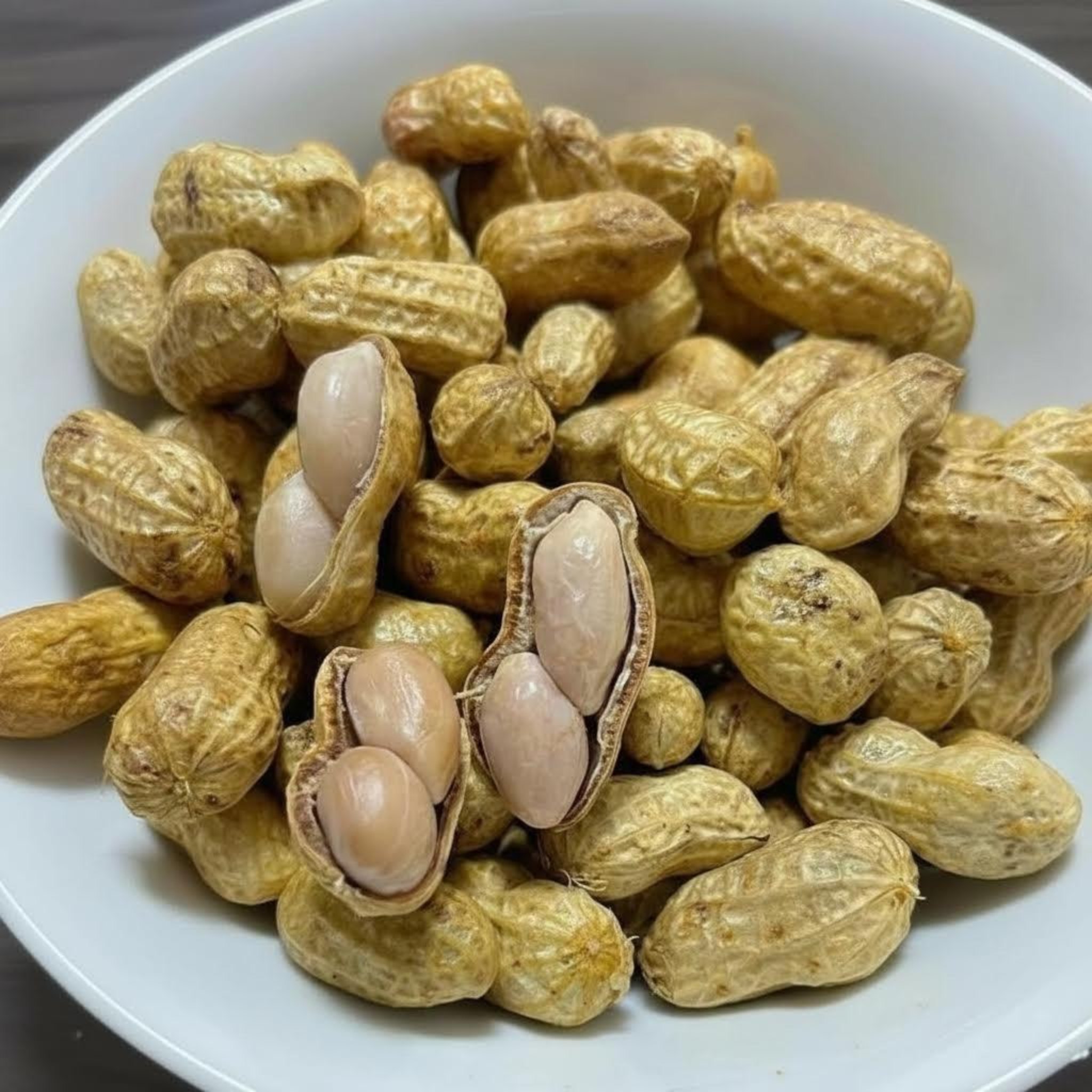
Peanuts have been part of global cuisine for centuries, valued not only for their flavor but also for their versatility. In countries like Brazil, peanuts are central to tradition—pressed into soft paçoca, mixed into crunchy pé-de-moleque, or folded into festive sweets for celebrations. They are affordable, satisfying, and adaptable, appearing in street snacks as well as family recipes passed down for generations. Beyond taste, peanuts offer notable nutritional benefits when eaten mindfully.
Though technically legumes, peanuts act like tree nuts nutritionally, providing a dense source of plant-based protein, heart-healthy fats, and essential vitamins and minerals. Vitamin E protects cells, B vitamins support energy production, and minerals such as calcium, phosphorus, and iron contribute to bone health and metabolism. Peanuts are nature’s compact energy and nutrient source, ideal for fueling work, exercise, or study without constant snacking.
They also contain compounds like lecithin and antioxidants, which may support heart health and satiety. Protein, fat, and fiber slow digestion, helping you feel full longer—making peanuts more satisfying than many processed snacks. For some, peanuts help stabilize blood sugar when combined with other foods, reducing spikes and dips in energy. Research has even linked peanut consumption to lower risks of certain conditions, though these findings are observational rather than guarantees.
Moderation is crucial. Peanuts are calorie-dense, so eating large amounts can cause bloating or excess calorie intake. A small handful is usually enough, and consistent portions matter more than quantity. People with sensitive digestion or conditions like gout may need to monitor their intake. Those on certain medications should consult healthcare professionals before making peanuts a daily habit.
Allergies are the most critical concern. Peanut allergies can be severe and life-threatening, so complete avoidance is essential for those affected. With peanuts appearing in many packaged foods, careful label reading is necessary.
Proper storage is also important. Peanuts can go rancid due to their natural oils, and poorly stored nuts may develop mold or aflatoxins. Keep peanuts in sealed containers in cool, dry places and discard any that smell off, taste bitter, or look discolored.
When chosen carefully and eaten mindfully, peanuts fit easily into a balanced diet. They can be added to sauces, salads, oatmeal, or enjoyed as a quick snack. They provide sustained energy without sugar crashes and contribute nutrients that support daily physical and mental performance.
For older adults, peanuts are especially useful: easy to store, nutrient-rich, and supportive of muscle, bone, and nerve health. They work best as part of a varied diet with fruits, vegetables, lean proteins, legumes, and whole grains.
Listening to your body is key. If peanuts leave you satisfied and energized, they’re serving you well. If they cause discomfort, adjust portion size or frequency. Food is not one-size-fits-all, and even healthy ingredients require mindfulness.
Peanuts are often labeled either as a superfood or a risky snack due to allergies and calories. The truth lies in between: they are nutrient-rich, flavorful, and supportive of balanced eating for many. Choosing fresh peanuts, moderating portions, and considering individual health needs allows most people to enjoy their benefits. For those who cannot eat them, other plant-based proteins and healthy fats offer alternatives.
Ultimately, peanuts are valued not for trends but for their reliability. Affordable, nutrient-dense, culturally significant, and satisfying, they integrate seamlessly into diverse diets and busy lives. When consumed responsibly, they make a simple yet powerful contribution to everyday well-being.