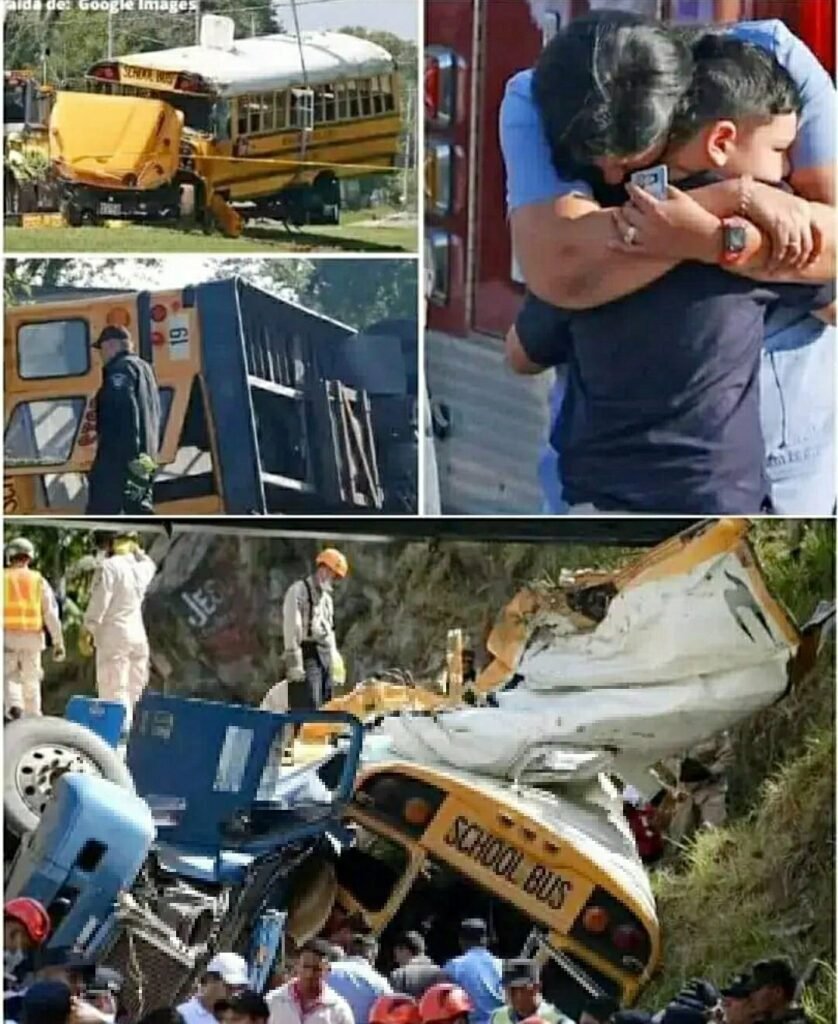
However, for Tanzanians, May 6, 2017, remains an unhealed scar on the collective spirit. Time typically serves as a cure for national wounds. Now, eight years later, as June 2025 approaches, the country stops once more to consider the Karatu school bus tragedy, which killed thirty-two energetic kids, two committed teachers, and a bus driver. An entire continent was brought to tears by the profound hush that followed the morning’s bright-eyed optimism of youth.
The pupils of Lucky Vincent Primary School tell a tale of potential that has been stolen. They were Arusha’s “best and brightest,” a bunch of young academics who had boarded their bus that Saturday morning with their minds set and their pencils sharpened. They were on their way to the Karatu district to take part in a mock national test, which is a significant turning point in Tanzanian education and a rite of passage for elementary school pupils. For these kids, the trip was an adventure, an opportunity to show their abilities, and a way to make their family proud, not just a necessary school assignment.
But the Karatu district’s topography is both dangerous and stunning. The weather worked against the bus as it made its way through the Rhotia Hill region’s steep, serpentine descents. The road had become slick and unforgiving due to heavy rainfall. Later, witnesses and investigators would piece together a terrifying series of events: the bus losing traction, the driver’s frantic attempt to restore control, and the final, disastrous tumble down a deep, lush ravine. The aspirations of thirty-two families were destroyed in the mud when the car came to rest.
The force of national solidarity in the face of complete darkness was demonstrated in the immediate aftermath. A thick veil of sorrow descended upon the nation as word of the destruction spread throughout the capital and the busy streets of Arusha. The Tanzanian flag was lowered to half-mast worldwide during the period of national mourning that was designated by the late President John Magufuli, who was clearly shaken. The solemn tolling of bells and the names of the deceased scrolling across screens in a seeming never-ending litany of sorrow took the place of regular television programming. Political and social differences disappeared at that instant, to be replaced by a single, excruciating sense of sympathy for the parents who had waved their kids off that morning without realizing it would be their final time.
However, in the midst of the devastation and hopelessness, a tale of extraordinary fortitude surfaced. As they made their way through the wreckage with sorrowful hearts, they found Wilson, Sadia, and Doreen—three kids who had overcome all difficulties. Both clerics and medical experts referred to their survival as nothing less than miraculous. Despite suffering severe injuries to their spines and limbs, the three pupils had a vitality that would not go out. The surviving were eventually airlifted to Sioux City, Iowa, in the United States for intense rehabilitation and specialized orthopedic operations in an international act of humanitarianism. For a country that sorely needed a reason to believe in survival, their journey from the edge of death to recovery became a ray of hope.
Since 2017, the Karatu tragedy has transformed from a personal sorrow to a call for reform. A challenging national dialogue over Tanzania’s infrastructure and school transportation regulations was compelled by the accident. The government promised more stringent control of driver certificates and more thorough mechanical checks for public service vehicles as a result of it acting as a somber impetus for legislative reform. Road safety barriers were strengthened and fresh signage was put up in the rural hilly areas to alert cars to the deadly turns that had killed the Lucky Vincent scholars. The “Ghost of Karatu” still haunts every policy debate pertaining to the safety of the country’s children, despite proponents’ claims that progress has been applied unevenly.
Tanzania’s memorials of its deceased continue to reflect the cultural significance of the loss. The grass is rarely permitted to grow over the memorials at the Karatu site that overlooks the ravine. Both visitors and residents still leave flowers, handwritten cards, and tiny mementos there. These names—Doreen, Wilson, and Sadia—now represent the strength of a generation rather than merely being the names of survivors. On the other hand, the names of the thirty-two who failed to return are murmured in churches and classrooms, serving as a repetitive reminder that carelessness costs innocent lives.
From the perspective of 2025, the anguish may have lessened to a dull ache, but it hasn’t gone away. Teachers at Lucky Vincent Primary School continue to talk about the “class that never was,” pointing up the vacant seats in the school’s spirit that will never be fully occupied. The victims’ families have developed “sorrowful kinship” ties, helping each other out for the graduations and birthdays that their kids were never able to celebrate. In order to ensure that their children are remembered as the visionaries, artists, and future leaders they were meant to be rather than just as statistics from a car accident, they have transformed their grief into a legacy of activism.
This story’s republication eight years later is an act of remembering as much as journalism. It makes sure that the need for road safety doesn’t wane as people forget about the sirens. It pays tribute to the tenacity of the three who made it back and the eternal rest of the thirty-five who stayed. Every Tanzanian is reminded of the transience of life and the lasting strength of a nation’s love for its children by the tragic Karatu school bus disaster, which is woven into the very fabric of Tanzanian history.
The names of thirty-two people who departed from us too soon are illuminated on the memorial plaques as the sun sets today over the Karatu hills. Yes, their story is tragic, but it also shows how a nation refused to let them go unnoticed. After eight years, Tanzania is still grieving, remembering, and hoping that such a morning would never come again. A permanent chapter of grief that continues to mold the character of a country working toward a safer future, Lucky Vincent’s lessons are imprinted in both spirit and stone.