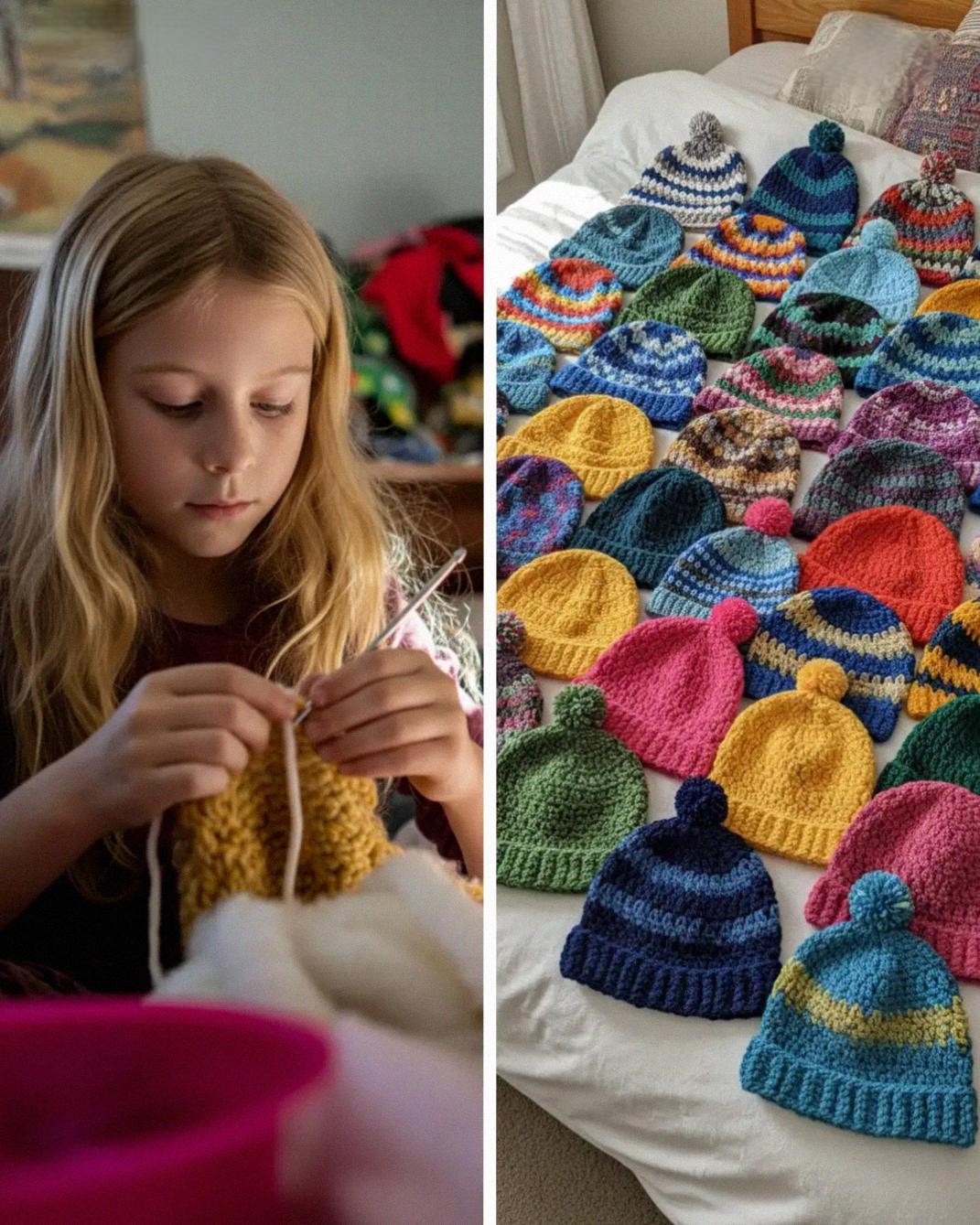
When my daughter Emma was just three, her biological father passed away. I was twenty-seven, suddenly widowed, and clinging to a little girl who had lost more than she could comprehend. For years, it was just the two of us—quiet breakfasts, bedtime stories, and grief slowly releasing its hold on our home. When I eventually met Daniel, I made it clear that Emma and I came as a package deal. He didn’t hesitate. He eased into our lives with such gentleness that it felt as though he had always been there.
He packed her lunches, braided her hair—badly but with pride—sat through every school concert, and read to her until she fell asleep, tucked under his arm. He never once referred to her as his “stepdaughter.” She was simply his girl. But his mother, Carol, couldn’t see it that way, and never missed a chance to remind us.
“It’s sweet that you two pretend she’s really your child,” she said to Daniel once, sipping her tea like it was just another comment on the weather.
Another time, when she thought I had left the room, I overheard her murmur, “A child who isn’t blood can never truly be family.”
Daniel shut her down every time, but Carol’s comments never truly stopped. We kept our visits short and polite, holding the peace by the thinnest of threads.
Then came the day she snapped that thread.
With December approaching, Emma decided she wanted to do something kind for children in hospices during the holidays. One morning, she came to me, still in her oversized cat pajamas, and said, “Mom, I want to make hats for sick kids so they won’t feel cold or lonely.”
She had taught herself to crochet through YouTube tutorials. She spent her allowance on yarn, and then she worked—really worked. Every afternoon after school, she sat on the couch, the hook moving rhythmically in her small hands, humming as she counted stitches. She made them all different: stripes, pastels, bright neons, and cute pom-poms. Every finished hat went into a big bag next to her bed.
By the time Daniel left for a two-day business trip, Emma had made 79 hats and was halfway through the 80th.
His absence gave Carol the chance she’d been waiting for.
When Emma and I came home from grocery shopping that afternoon, she ran ahead to pick her yarn for the final hat. Just five seconds later, her scream shattered the silence.
“Mom! MOM!”
I dropped the bags and ran to her. She was on her knees beside her bed, sobbing so hard she could barely breathe. The bag—the one with all her work—was gone. Her bed was stripped bare. Her room felt ransacked.
Then I heard the clink of porcelain.
Carol stood in the doorway, calmly sipping tea from one of my good cups.
“If you’re looking for those hats,” she said, “I threw them away. A child shouldn’t waste her time or money on strangers. And frankly, they were ugly.”
“Ugly?” Emma whispered, her voice cracking.
Carol shrugged. “Mismatched colors. Uneven stitching. And she’s not my blood—why should she represent my family with work that looks so amateur?”
Something inside me snapped, but Emma was crumpled in tears, so I held her instead. After she cried herself hoarse and finally quieted into my arms, I spent an hour digging through every trash bin I could reach. Nothing. Carol hadn’t thrown them away here.
Emma cried herself to sleep that night.
When Daniel returned the next day, his face lit up. “Where’s my girl? Did we finish the eighty hats?” The moment he said it, Emma burst into tears again.
I pulled him aside and told him everything—Carol’s cruelty, the missing hats, Emma’s heartbreak. I watched as shock washed over him, followed by a cold, focused fury I had never seen before.
“I’ll fix this,” he said quietly, grabbing his keys.
Two hours later, he came home, his clothes smudged, hair windblown, carrying a huge black garbage bag.
Before I could ask, he called his mother. “Mom, come over. I have a surprise for you.”
She arrived half an hour later, irritated. “This better be worth my time.”
Daniel opened the bag. Inside were all of Emma’s hats—every single one, some speckled with dust but intact.
“I spent an hour going through the dumpsters at your apartment building,” he said. “You didn’t throw them away. You threw them out where only someone truly determined would find them.”
Carol scoffed. “Daniel, they’re just hats. You’re being dramatic.”
“No,” he said softly. “They’re not just hats. They’re eighty acts of kindness from a little girl who wanted to help children suffering. And you crushed that kindness because you can’t stand that she isn’t your blood.”
Then she said the thing that ended everything:
“She’s not your daughter, Daniel. Stop pretending.”
He looked at her, and something in him finally broke free.
“She IS my daughter,” he said. “And you will never speak to her again. We’re done.”
Carol’s face twisted in disbelief. “You’re choosing them over your own mother?”
Daniel didn’t blink. “Easily.”
She stormed out, leaving with a final threat, but Daniel didn’t even look at her as she left.
The next day, he brought home a giant box of new yarn, hooks, ribbons, and tags—everything Emma needed to start again.
“If you want to remake them,” he said, “I’ll help you. I’ll learn with you.”
Emma looked at him as if he had hung the moon. For the first time since the incident, she laughed. Over the next two weeks, the two of them crocheted together every night. His stitches were crooked and tight; hers were smooth and practiced. But hand in hand, they finished the full set of 80 hats.
When the hospice posted photos of smiling children wearing Emma’s creations, the post went viral. Emma beamed. She wrote a comment from my account: “I’m so happy they got the hats! My dad helped me make them again after my grandma threw the first ones away.”
The internet’s response was exactly as expected—outrage at Carol’s cruelty. Her phone started exploding with angry messages. She called Daniel, wailing and demanding he “fix this.”
He didn’t raise his voice. “We didn’t post anything, Mom. The truth did.”
“But I’m being bullied!”
“You earned it.”
Carol still texts on birthdays and holidays, asking if it’s time to “repair the family.”
Daniel sends the same answer every time.
“No.”
As for our home, it’s peaceful again. On weekends, the soft click of crochet hooks fills the living room—Emma’s small hands guiding Daniel’s clumsy ones. She glows with pride. He glows with love.
And I look at them both and know, without question, that blood never makes a family.