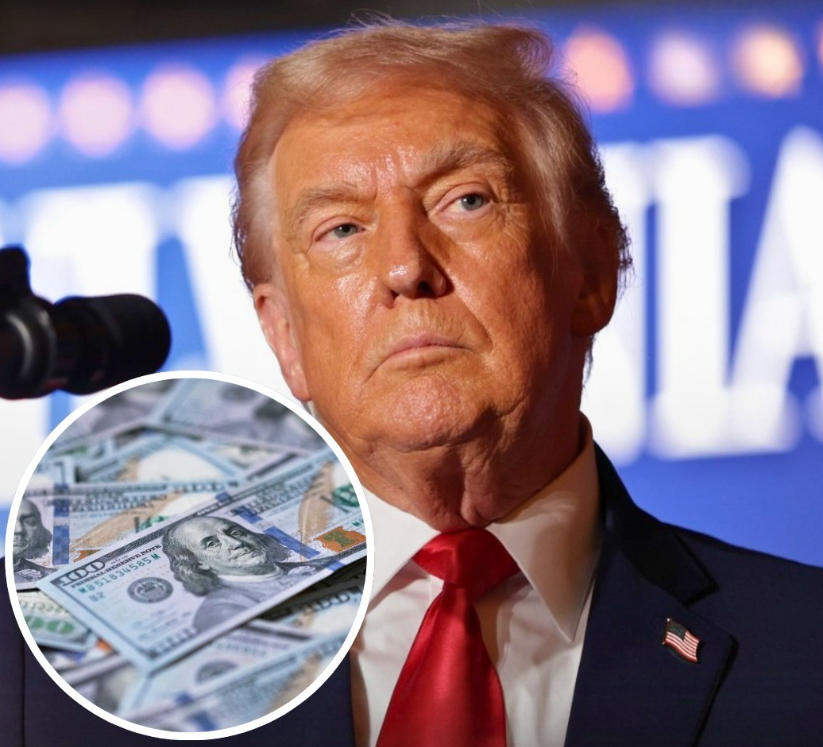
larifying the $2,000 “Tariff Dividend” Checks: What You Need to Know
Amid ongoing media reports and online speculation, a major clarification is necessary regarding the $2,000 checks often mentioned by President Donald Trump as a “tariff dividend” for American taxpayers. While this idea has gained significant public attention due to its political appeal, the truth is that no official program has been approved, authorized, or funded by Congress to distribute $2,000 checks to most Americans. Any claims about imminent payments, finalized eligibility rules, or official IRS distribution plans are speculative and not based on confirmed actions from the federal government or legislative bodies.
The Core of the Issue: No Official Action Yet
The reality is that no major development has occurred to move this proposal from a political idea into actionable policy. Claims circulating online—particularly those suggesting an official announcement is “days away” or that payments are guaranteed by late 2025 or early 2026—are pure speculation and lack concrete backing from any legislative or administrative actions.
The Origin of the Proposal: Tariff Dividends Explained
The concept of the “tariff dividend” is directly tied to President Trump’s broader trade policy. He has publicly advocated for a plan that would return a portion of the revenue generated from newly imposed or increased tariffs to American taxpayers. The publicized figure most often cited is $2,000 per adult. This proposal frames the tariff revenue as a way for American citizens to benefit directly from the government’s trade policies.
However, transitioning this idea from a public goal to an actual federal program involves a complicated process that has not yet been initiated. Although White House officials have confirmed they are exploring potential structures for such a dividend, no authorizing legislation has been passed by Congress. A new bill would be necessary to legally enable the funding and distribution of such payments. Without this legislation, the IRS—the agency responsible for disbursement—cannot begin any process to distribute $2,000 checks, as they have no legal mandate to do so.
Understanding the Mechanism: What the Dividend Would (and Wouldn’t) Mean
While President Trump’s intention is clear—using tariff revenue to provide refunds or rebates to American citizens—the practical and legal implementation is far from straightforward. Experts, including Treasury officials and policy analysts, have suggested that the proposal could take several forms, such as tax reductions, refundable tax credits, or other types of tax relief, rather than a one-time, lump-sum cash payment.
Additionally, there’s a critical financial challenge: tariff revenue currently falls far short of the amount required to issue $2,000 checks to most Americans. Experts argue that if such a program were to be widely implemented, it would likely need to be funded through broader government spending or deficit financing, not solely by tariff revenue. This financial gap underscores the need for new legislative action to secure the necessary funding.
Eligibility and Speculation: What We Don’t Know
One of the most common areas of confusion and misinformation concerns eligibility. Claims that “everyone will qualify,” or that families could receive $8,000 for a family of four, are unverified and highly speculative.
There are currently no official eligibility criteria from the IRS or the Treasury Department regarding this proposed dividend. Statements about income thresholds, payments for dependents, or specific benefit amounts are based on speculation and will remain unconfirmed until a bill is officially drafted, passed by Congress, and signed into law by the President. Without this process—which has not yet occurred—there can be no definitive statements about eligibility or payment amounts.
As of now, no bill has been passed, and administrative bodies like the IRS cannot draft any distribution rules or allocate necessary funds. Therefore, any assurances about who qualifies, how much will be received, or when payments will arrive are premature and should be viewed with caution.
Why This Matters for Taxpayers
The idea of direct rebate checks is politically appealing, especially during times of economic uncertainty or rising living costs. However, moving from a political proposal to actual payments requires thorough legislative approval and extensive administrative planning. Public statements about the idea from the executive branch demonstrate political intent, but they do not constitute official policy or guarantee that $2,000 payments will ever be distributed in their proposed form.
Even if a bill is introduced and moves quickly through the legislative process, bureaucratic hurdles could delay any payments well into 2026 or beyond. Taxpayers should carefully distinguish between political promises and ratified government programs.
The Undeniable Bottom Line
To clarify:
No Confirmed Program: There is no official program, legislative authorization, or administrative mandate to send $2,000 tariff dividend checks to Americans in December 2025 or early 2026.
Congressional Action Needed: The proposal remains under consideration, but new Congressional action—including drafting, passing, and funding new legislation—is necessary to authorize and enact any payments.
Speculation vs. Policy: All details about specific figures, eligibility criteria, and timelines currently circulating are based on speculation, not official policy.
Taxpayers should rely on official announcements from the IRS and legislation passed by Congress, rather than unverified reports from social media or unreliable sources. While the idea is a powerful political talking point, the actual mechanism for delivery is still absent.