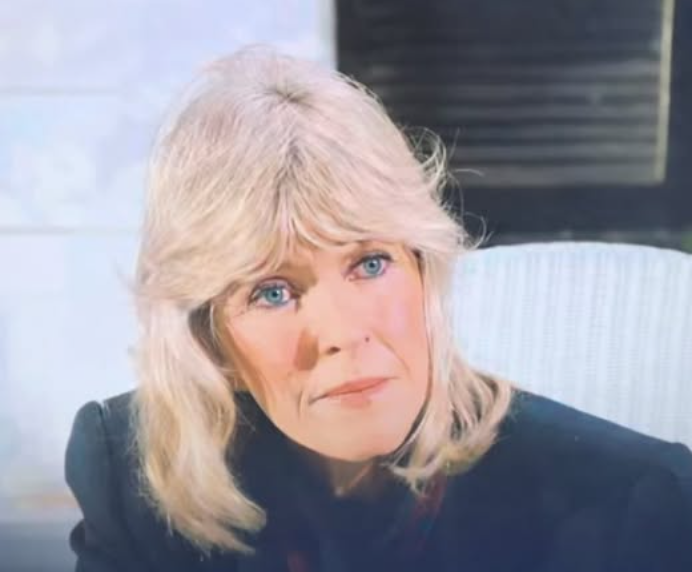
The entertainment world is in deep mourning following the loss of Alice Hirson, a television icon whose career spanned over six decades and left an indelible mark on generations of viewers. Hirson, who passed away peacefully at the age of 95, was celebrated not only for her talent but also for her ability to bridge the eras of Hollywood, from the Golden Age to the contemporary sitcoms that shaped late 20th-century television. According to The Hollywood Reporter, she died of natural causes at the Motion Picture and Television Country House and Hospital in Los Angeles, surrounded by a legacy of colleagues, friends, and memories of a life devoted to storytelling.
Born in Brooklyn on March 10, 1929, Hirson’s early years were shaped by a mix of New York culture and the quiet determination of a family that encouraged artistic exploration. Her path from the streets of Long Island to Broadway stages and Hollywood soundstages was defined by both talent and tenacity. Hirson was not merely an actress; she was a performer of extraordinary versatility, capable of navigating the demands of intense drama, heartfelt comedy, and even subtle character work that could transform a single scene. While many actors become typecast, Hirson continually reinvented herself, becoming a familiar and trusted presence to audiences who relied on her consistency and depth.
Television audiences remember her most vividly from the long-running Texas epic, Dallas, where she appeared in 26 episodes, embodying characters with nuance and authenticity that brought gravitas to the sprawling family drama. For younger viewers, she became the beloved Claire Tanner on Full House, portraying the wise and warm-hearted grandmother whose presence anchored the Tanner household across multiple seasons. Her ability to balance humor with emotional truth allowed her to resonate across multiple generations, making her one of the few performers whose work remained relevant as television evolved.
Hirson’s role on the groundbreaking ABC sitcom Ellen cemented her place in cultural history. Between 1994 and 1998, she portrayed Lois Morgan, the mother of Ellen DeGeneres’ title character, during a period of significant social transformation. The show famously featured the 1997 “Puppy Episode,” where DeGeneres’ character came out as gay—a watershed moment in American television. Hirson’s portrayal of Lois provided a necessary anchor to the story, showing a mother navigating love, acceptance, and the challenges of evolving social norms. Her performance blended humor and emotional sincerity, reminding audiences that personal connection can be both entertaining and profoundly moving.
In addition to these recurring roles, Hirson was a prolific guest star, leaving her mark on dozens of shows. She appeared in Murphy Brown, Just Shoot Me!, The Secret Life of the American Teenager, and countless other programs, demonstrating an ability to step seamlessly into established ensembles while making her characters unforgettable. Her filmography included classics such as Private Benjamin, where her comedic timing shone, Revenge of the Nerds, a cult favorite, and Being There, which showcased her subtle dramatic prowess. On the big screen, she could evoke laughter or tears with the same authenticity that endeared her to television audiences.
Hirson’s talents extended beyond television and film to the Broadway stage, where she honed her craft in productions like Traveller Without Luggage and The Investigation. This foundation in theater imbued her screen performances with a unique gravitas, allowing her to command attention even in brief appearances. Her understanding of character, timing, and emotional resonance made her an actor whose contributions, though sometimes understated, were always deeply felt.
Alice Hirson’s passing represents the end of an era—a generation of performers dedicated to storytelling for its own sake, rather than fame or spectacle. She exemplified resilience, professionalism, and artistry, creating a body of work that remains a testament to her skill. Fans revisiting episodes of Full House, rewatching Dallas, or exploring her film and stage work will find a performer who never failed to elevate the material she touched. Whether portraying a grandmother, mother, or friend, Hirson’s characters were always grounded, authentic, and memorably human. Her legacy endures not only in the roles she played but also in the standard of excellence she set for performers who followed.
In remembering Alice Hirson, we honor more than a career; we honor a life devoted to the art of performance. She leaves behind a legacy of grace, strength, and creative integrity, reminding us that television and film can be both entertainment and enduring art. As audiences continue to encounter her work across screens and stages, Hirson’s presence will remain a quiet, steadfast guide—a masterful storyteller who never lost sight of the heart at the center of every scene.