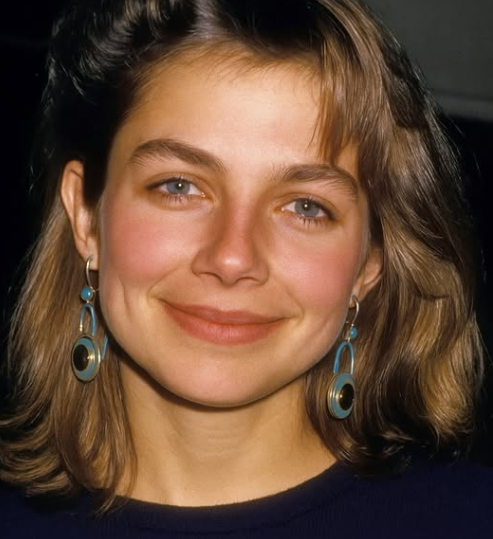
Hollywood has long pressured women to maintain a youthful appearance, creating an industry-wide obsession with cosmetic procedures, anti-aging routines, and flawless skin. Celebrities are constantly scrutinized under harsh public and media lenses, often judged not for their talent or achievements but for their wrinkles, laugh lines, or any perceived imperfection. In this climate, some stars feel compelled to undergo surgery, injectables, or endless beauty treatments to maintain an image that may not reflect their true selves. But some choose a radically different path — embracing aging naturally, defying societal expectations, and prioritizing authenticity over appearance. One such figure is actress, director, and writer Justine Bateman, best known for her role as Mallory on Family Ties. Now 57, Bateman has made a deliberate choice to resist the pervasive pressure of Hollywood and refuses to get plastic surgery, choosing instead to let her natural self shine. In a candid interview with 60 Minutes Australia, she opened up about her decision and the reasoning behind it.
“I think I look rad. My face represents who I am. I like it,” Bateman said. Her statement reflects more than personal vanity; it is a declaration of self-acceptance and recognition of the life she has lived. Every line, every crease, and every mark tells a story of experiences, challenges, growth, and triumphs. For Bateman, altering her appearance would not simply change her looks—it would erase the authority, wisdom, and authenticity she has earned over decades. Yet, embracing natural aging has not shielded her from public criticism. In her 40s, she began receiving harsh online commentary about her appearance, with trolls using cruel language, comparing her to a “sea hag” or a “meth addict.” The negativity, pervasive in social media culture, briefly made her question herself and brought feelings of shame about her natural aging process.
Through reflection and self-awareness, Bateman recognized that the problem was not her face or how she looked but the societal fear instilled by unrealistic beauty standards. “You’re not going to make that fear go away by changing your face,” she explained. “Getting plastic surgery is just people pleasing.” Her insight highlights a crucial point: the act of surgically altering oneself to appease external expectations does not resolve the deeper issue of fear, insecurity, or societal judgment. Instead, it perpetuates a cycle where women are measured more by their appearance than by their achievements, character, or contributions.
Bateman, who authored Face: One Square Foot of Skin, a book exploring society’s obsession with youth and the cultural pressures surrounding women’s appearances, has used her platform to shed light on these issues. She emphasizes the emotional and psychological toll of conforming to impossible beauty ideals and expresses empathy for women who feel compelled to “fix” themselves rather than enjoy the richness of life as it unfolds. Her advocacy is not only about rejecting plastic surgery but also about encouraging women to embrace the natural aging process with dignity, confidence, and self-respect.
By publicly embracing her authentic self, Justine Bateman has become a symbol of empowerment for many, redefining what it means to age gracefully in an industry that thrives on youth and perfection. She stands as a reminder that beauty is not merely a matter of appearance but a reflection of lived experience, personal growth, and self-acceptance. Her choices inspire women to reconsider the cultural pressures placed upon them and to value authenticity over superficial conformity. In a world obsessed with masking age and erasing the visible markers of a life fully lived, Bateman’s confidence and authenticity provide a refreshing and empowering perspective on what it truly means to age beautifully.