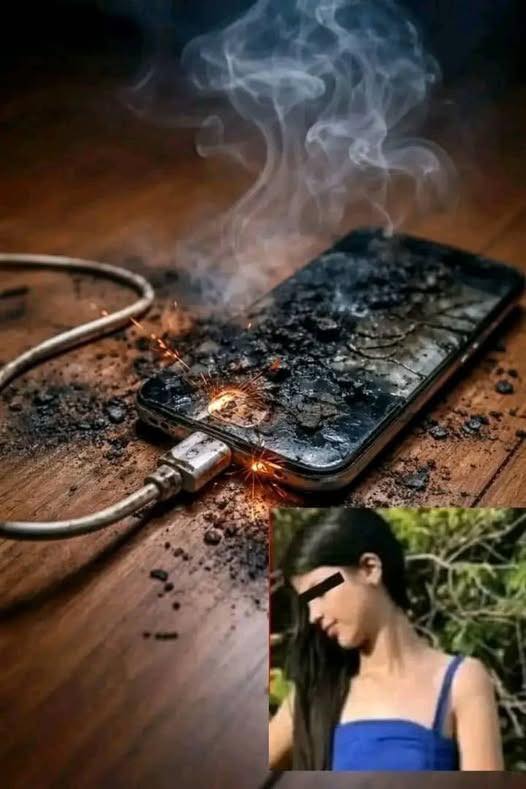
In today’s hyper-connected world, charging a smartphone or laptop is as instinctive as breathing. We plug in our devices beside our beds, under pillows, or into crowded power strips without a second thought. Yet experts are warning about a growing phenomenon called “charging complacency,” where convenience trumps electrical safety—sometimes with catastrophic consequences. While charging technology is generally designed to be safe, poor habits and faulty equipment are turning everyday gadgets into potential fire hazards.
The danger often starts with the “bargain” charger. We’ve all been there: a frayed original cable, a $5 replacement from a gas station or unverified online seller. These uncertified chargers frequently lack voltage regulators and heat-sink components needed to control electricity flow safely. Without these safeguards, a charger can deliver too much current, causing short circuits or thermal runaway within a lithium-ion battery.
The environment where you charge your device is equally critical. Charging on soft surfaces—beds, couches, or thick carpets—traps heat, turning everyday devices into ticking time bombs. A phone tucked under a pillow while connected to a fast charger can reach dangerous temperatures in minutes. Without airflow, that heat has nowhere to escape, and synthetic fabrics can ignite.
Overloaded outlets—the so-called “octopus effect”—add another layer of risk. Plugging multiple high-draw devices into a single power strip strains wiring, generating heat inside walls before circuit breakers even trip. Combined with frayed or bent cables, this creates conditions for electrical arcs that can reach thousands of degrees Celsius, instantly igniting nearby curtains or furniture.
To protect your home and family, adopt a “maintenance-first” mindset. Inspect charging cables regularly: discard any with exposed wires, kinks, or loose connectors. Never ignore warning signs—if a charger is too hot to touch, emits humming, or smells slightly burnt, it’s already failed internally.
The gold standard is simple: use only manufacturer-certified (UL or MFi) chargers and cables, charge devices on hard, ventilated surfaces, and unplug chargers when not in use. Even idle chargers can wear down internal components over time. By shifting from convenience-focused habits to safety-conscious ones, you ensure your technology remains a tool, not a threat. A fully charged battery is never worth the cost of a house fire—prioritize safety, because once a short circuit starts, you may have only seconds to react.