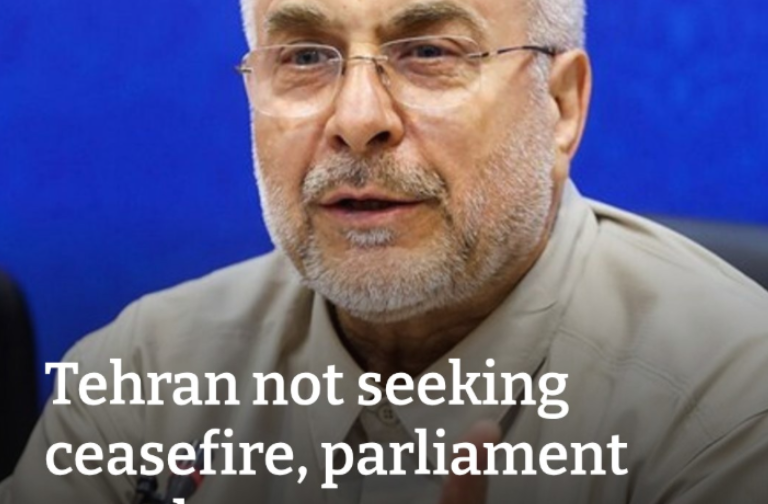
An Iranian official has publicly declared that the country is no longer pursuing a ceasefire, a statement that could represent a major shift in Tehran’s strategic approach amid an already tense regional environment. The remark, reported by multiple international news outlets, signals that Iranian leadership may be preparing for a prolonged period of confrontation rather than continuing to pursue diplomatic channels or de-escalation measures. Such comments are being interpreted as a sign that Iran may be adopting a more uncompromising posture in response to recent geopolitical developments, reflecting both domestic pressures and external challenges.
According to the unnamed official, Iranian authorities have assessed that the current conditions for a ceasefire are no longer favorable. The statement highlights growing frustration within Tehran regarding what it views as stalled diplomatic efforts, insufficient progress in negotiations, and a lack of meaningful engagement from other regional and global actors. The official emphasized that the leadership is now reassessing its priorities, considering a broader range of strategic options, and preparing for a situation that may not resolve quickly. Analysts suggest that this shift is not merely rhetorical but may indicate a willingness to endure extended tensions or even intensify military or proxy operations to achieve political objectives.
Observers note that this announcement could have profound implications for regional stability. In the context of ongoing Middle Eastern conflicts, abandoning the pursuit of a ceasefire could significantly increase the risk of further escalation, potentially drawing in other state and non-state actors. Neighboring countries, international organizations, and coalition forces may face heightened operational challenges if confrontations broaden or become more unpredictable. There is also concern that a hardened Iranian stance could embolden proxy groups in the region, leading to more frequent clashes, targeted attacks, or the destabilization of key transit routes and urban areas.
International observers and foreign governments are closely monitoring Iran’s latest statements. Over recent months, several countries, including those with strong diplomatic ties to Tehran, have repeatedly urged restraint, calling for renewed dialogue to prevent the situation from spiraling into wider conflict. Global organizations, such as the United Nations, have similarly emphasized the importance of de-escalation measures, warning that unchecked hostilities could undermine international security, disrupt trade, and threaten humanitarian conditions in already vulnerable regions. The announcement has triggered urgent consultations among diplomats and analysts, who are weighing potential responses and assessing how Iran’s rhetoric might influence allies and adversaries alike.
Despite the strong language, some experts caution against interpreting such statements at face value. In many instances, public declarations of abandoning negotiations or rejecting ceasefires can serve as political messaging intended to strengthen a negotiating position, signal resolve to domestic audiences, or pressure international actors into concessions. Historical precedents in Middle Eastern diplomacy demonstrate that behind-the-scenes channels often remain active, even when public statements appear confrontational. Analysts note that Tehran may still be open to negotiations in practice while projecting a tougher stance outwardly to achieve strategic or political leverage.
For now, the announcement adds a significant layer of uncertainty to the regional outlook. It remains unclear whether this signals a genuine, long-term policy shift or is intended as a tactical maneuver designed to influence both domestic audiences and foreign powers. What is certain, however, is that the statement underscores the fragile state of current geopolitical tensions and the potential for rapid changes in the security environment. Governments, international organizations, and local populations alike are left to navigate a period of heightened unpredictability, as the line between diplomacy and confrontation appears increasingly narrow.
In conclusion, Iran’s declaration regarding the cessation of ceasefire pursuits marks a critical moment in regional politics. Whether this stance evolves into sustained military engagement, intensified proxy conflicts, or a renewed negotiation strategy will shape the future stability of the Middle East. In the meantime, global actors are left balancing caution with preparedness, seeking to prevent escalation while monitoring Iran’s next moves, all against the backdrop of an already complex and volatile regional landscape.