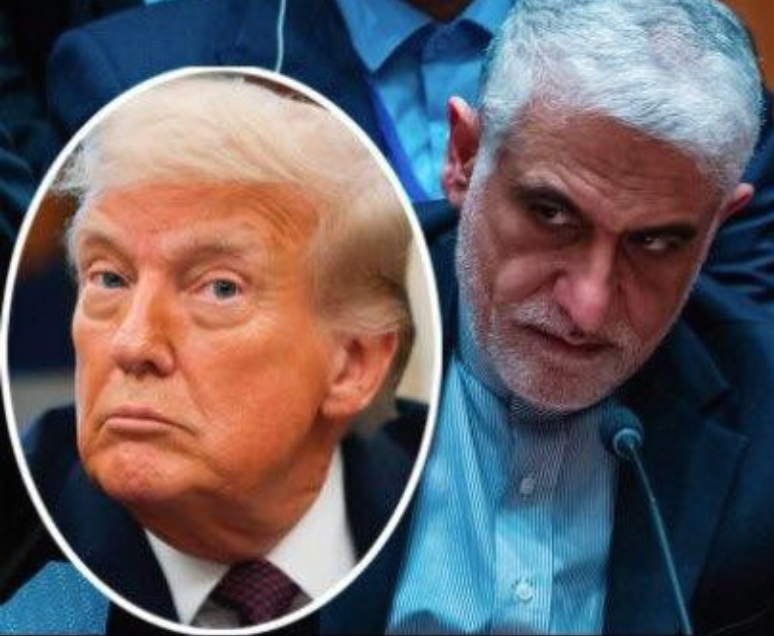
The diplomatic landscape of early 2026 has undergone a dramatic and alarming transformation, moving from stalled nuclear negotiations into a direct military confrontation that many fear may be irreversible. What began as a war of words and economic sanctions has escalated into high-stakes military action, breaking long-standing geopolitical taboos. The trigger for this escalation was a precise, coordinated strike by U.S. and Israeli forces against Tehran’s central command infrastructure. By targeting the core of Iran’s leadership, the coalition crossed a historical “red line,” setting off a chain of events that now threatens to engulf the region in full-scale war.
In the immediate aftermath, Tehran did not retreat into proxy warfare. Instead, it adopted a posture of defiance, promising total retaliation. Iranian commanders have launched waves of ballistic missiles and swarms of suicide drones, describing the assault as the “most devastating operation” in modern Iranian history. This conflict is no longer localized: Iranian targets now include not only Israeli cities and military sites but also U.S. installations across the Persian Gulf and the wider Middle East. Regional security systems are under immense strain, as both Washington and Tehran have abandoned diplomatic nuance in favor of extreme rhetoric—words like “obliteration,” “unprecedented force,” and “existential threat” dominate official statements.
At the United Nations, the fragile veneer of international order is visibly cracking. The Security Council chamber, once a place for de-escalation, has become a stage for mutual condemnation. Iran’s permanent representative denounced the U.S.–Israeli strikes as crimes against humanity while framing Tehran’s response as legitimate self-defense under Article 51 of the UN Charter. In a calm but chilling message, the Iranian ambassador told Washington to “be polite,” interpreted by analysts as a warning that American regional dominance is being challenged by force.
The American envoy has refused to yield any ground, portraying the Iranian regime as murderous and illegitimate, and insisting that it has forfeited sovereign protection through years of state-sponsored terror. Between these two unyielding positions stands a visibly concerned Secretary-General, emphasizing that “peace is the only way out” even as missiles are already in flight. The tragedy is that while diplomats debate semantics and international law, the reality of conflict is unfolding in the smoke rising over Al Jufair and Al Dhafra airbases.
The psychological impact on the American public is significant. News of the strikes and Iranian retaliation has reignited a familiar sense of vulnerability. Social media has been flooded with debate, exemplified by the viral #SendBarron trend, which channels public anger at the gap between those who authorize conflict and those who bear its cost. For many citizens, the prospect of a prolonged war with Iran is not an abstract policy discussion; it is deeply personal, affecting the lives of children, families, and domestic stability. Frustration is intensified by the perception that political leaders remain insulated from the consequences of the uncompromising rhetoric they employ in Washington.
Adding to the uncertainty is the internal instability in Iran. Reports about the death or incapacitation of Ayatollah Ali Khamenei have created fears of a power vacuum, raising concerns that the Iranian military may act with even less restraint. Under existential pressure from external threats and possible succession crises internally, Iran may resort to extreme measures as a survival strategy. Military experts have long warned that such conditions produce a ladder of escalation with no clear limit, as neither side can risk backing down without jeopardizing survival.
Globally, governments and citizens are bracing for both economic and physical consequences. Analysts have begun mapping which American cities are most vulnerable to retaliatory strikes, turning a distant foreign threat into a domestic concern for residents of ports and military hubs. Fear is no longer confined to the Middle East; it has reached towns across the American heartland, highlighting a new reality in March 2026—where the time between a “one word” response from Tehran and a siren in an American city has shrunk to the speed of a hypersonic missile.
Amid the turmoil, the U.S. administration continues to manage its public image through a mix of defiance and calculated maneuvers. From historic trade deals with the European Union to the appointment of Jill Biden as Ambassador to Ukraine, the White House projects control. Yet visible signs of strain—fatigue and physical stress on the President during public appearances—reveal the immense pressure on leadership. The contrast between the “historic” achievements promoted publicly and Tehran’s promised “devastating offensive” creates a dissonance that is increasingly difficult for the American public to process.
Ultimately, Iran’s “one word” stance—unyielding and absolute—marks the end of the post-Cold War era of controlled regional conflicts. The world has entered a period of raw, state-on-state confrontation where traditional rules of engagement no longer apply. Whether viewed through prophecy or military strategy, the conclusion is clear: the global order is structurally shifting, and the coming days will determine if this escalation is a temporary flare-up or the beginning of a catastrophic war.
As missiles strike their targets and UN diplomats continue cautious discussions, families worldwide can only watch and wait. The public demands accountability, fears urban targeting, and senses the terrifyingly final nature of this confrontation. The silence following a “one word” response is perhaps the loudest signal yet—a warning that a storm may be imminent. The question is no longer whether the world has changed, but whether anyone will survive to witness and record it.