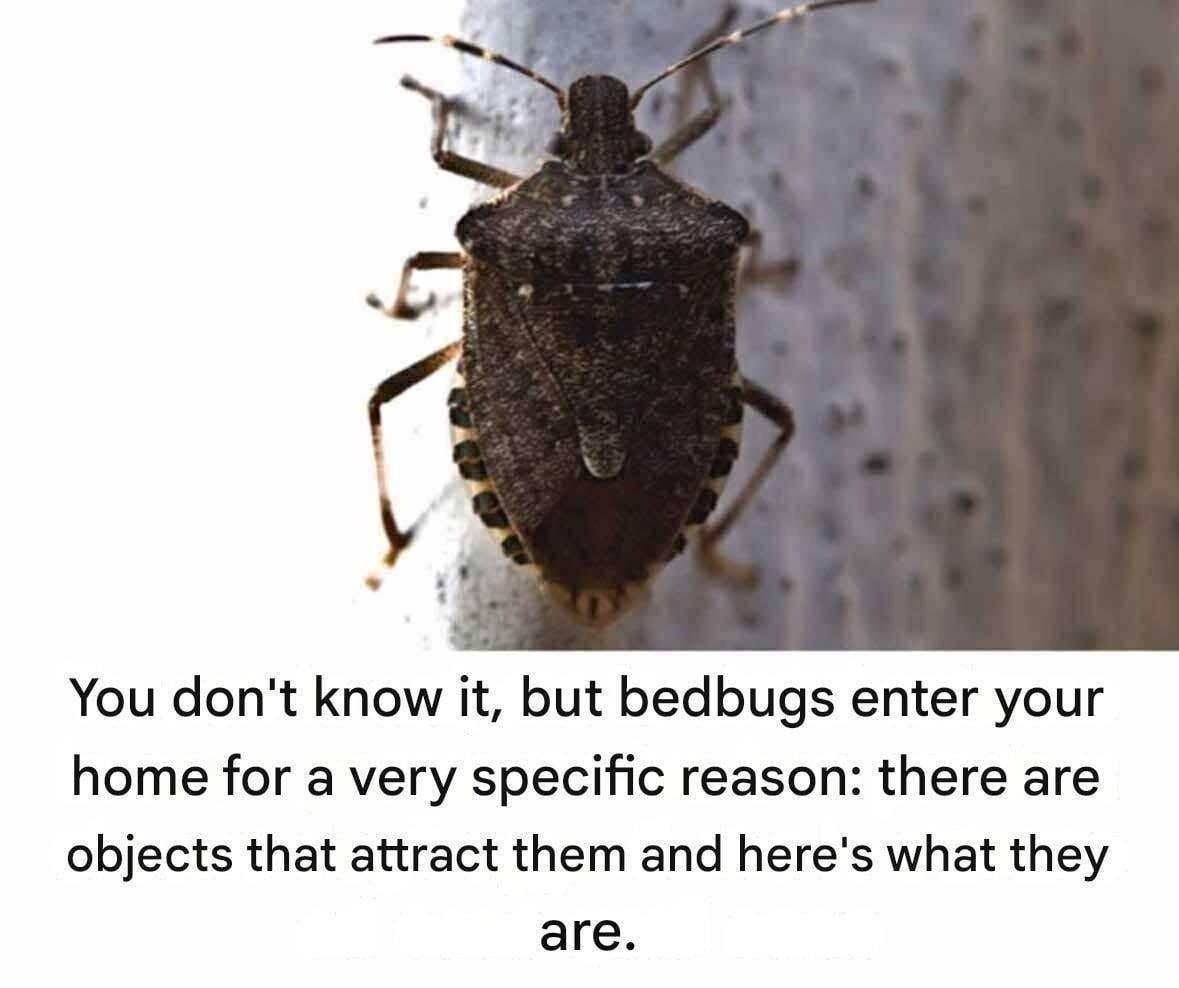
In an era where information spreads instantly, a single misidentification can spark widespread panic and unnecessary disruption. Recently, numerous reports and social media posts have warned of a supposed “bedbug” issue that, upon closer examination, reflects a clear misunderstanding of basic entomology. Correcting this mistake is not just an academic exercise—it is a public necessity. When an insect is labeled a bedbug despite having none of the species’ defining traits, homeowners may resort to costly, chemical-heavy treatments that do nothing to address the real intruder. To replace fear with clarity, it is essential to recognize the vast biological and behavioral differences between true bedbugs and their harmless green counterparts.
Understanding why this distinction matters begins with examining the actual bedbug, scientifically known as Cimex lectularius. These insects are highly specialized parasites that have evolved to live in close association with humans. Their entire biology revolves around feeding on human blood. Because of this, genuine bedbugs are almost exclusively indoor pests. They are nocturnal and exceptionally skilled at hiding, spending daylight hours tucked into the smallest cracks and crevices of our living spaces—inside mattress seams, bed frame joints, behind baseboards, or even within electrical outlets.
In appearance, a bedbug looks nothing like the “green insects” mentioned in recent alarmist reports. Adult bedbugs are flat, oval, and reddish-brown, roughly the size of an apple seed. They do not have wings and cannot fly. Most importantly, they are never green. They do not inhabit gardens, feed on plants, or gather in sunlit areas during the day. If an insect is bright green, active in daylight, and visibly moving along walls or windows, it is definitively not a bedbug.
The insect responsible for much of this confusion is far more likely a member of the Palomena group—commonly called the green stink bug. While finding any unexpected insect indoors can be unsettling, the green stink bug differs from a bedbug in every meaningful way. These insects are herbivores, meaning their true “infestations” affect crops, gardens, and ornamental plants—not bedrooms. They spend most of their lives outdoors, feeding on plant juices with specialized mouthparts.
Their seasonal appearance inside homes is not driven by parasitic behavior but by survival instincts. As temperatures drop and summer vegetation declines, green stink bugs search for protected overwintering sites where they can enter a dormant state known as diapause, similar to hibernation. To them, a heated home is not a food source—it is simply shelter. They slip inside through small openings around windows, doors, or attic vents. Once indoors, they are drawn to warmth and light, which explains why they are often found near lamps, radiators, or windowpanes.
The difference between these two insects has serious practical implications. A bedbug infestation is a complex issue requiring professional intervention, specialized heat treatments, targeted pesticides, and strict laundering procedures. Bedbugs reproduce indoors and feed on residents, often leaving bites long before the insects themselves are seen. Mistaking a stink bug for a bedbug can lead to unnecessary panic—people may dismantle furniture, discard expensive belongings, and endure significant stress over a situation that could be resolved simply by vacuuming or gently removing the insect.
Green stink bugs do not live in beds, lay eggs in clothing, or feed on human blood. They are temporary seasonal visitors. They do not transmit diseases, nor do they bite people. Their primary defense mechanism is releasing an unpleasant odor when threatened or crushed. Although the smell can be bothersome, it poses no health risk. Correct identification transforms a perceived emergency into routine household maintenance. A green insect on a curtain is not evidence of parasitic invasion—it is merely a stray insect seeking warmth for the winter.
Choosing accurate information over sensational claims helps dismantle the myth of widespread “infestation” that often surrounds common household insects. In a digital age where misinformation can spread rapidly, the ability to pause and identify a species correctly is invaluable. Recognizing that green stink bugs are outdoor plant-feeders while bedbugs are indoor parasites allows for a measured, informed response rather than unnecessary alarm. In nearly every report of a so-called “green bedbug,” the reality is far less dramatic.
Proper identification remains the foundation of effective pest control. It prevents excessive chemical use within homes and spares families the financial and emotional burden of a misdiagnosed problem. As seasons shift and insects seek refuge from the cold, it is worth remembering that not every six-legged visitor is a threat. Most are simply following nature’s rhythms—and a basic understanding of entomology is often all that is needed to preserve peace of mind.