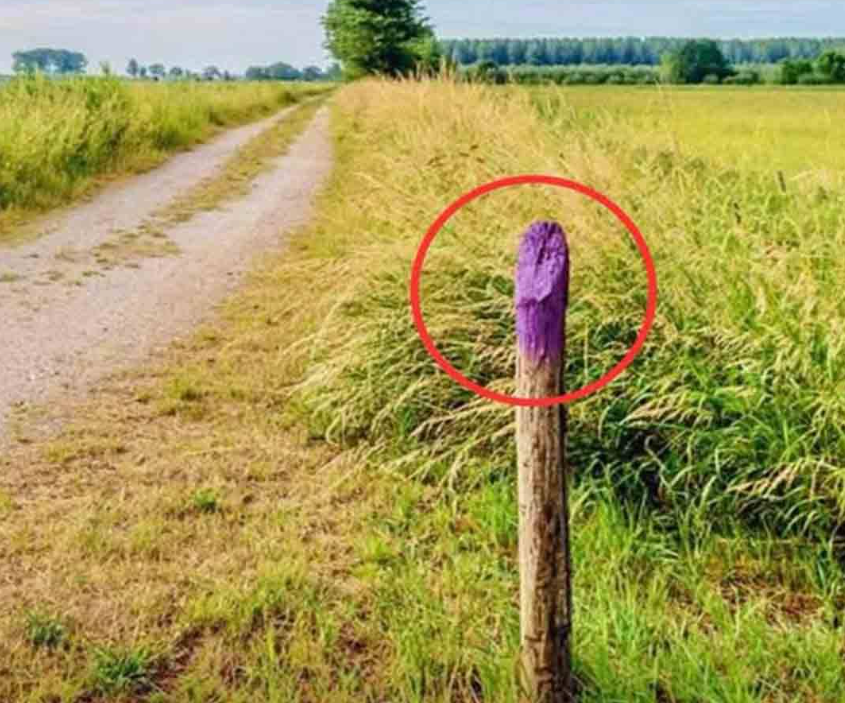
Exploring the great outdoors can lead to some truly fascinating discoveries, and one of the most intriguing sights you might encounter is a painted purple fence. At first glance, it might seem whimsical, quirky, or even artistic—but in reality, it carries a very clear and practical message. Purple fences are not just an aesthetic choice; they are a deliberate communication tool with historical roots and legal significance. Understanding what a purple fence represents can save you from accidentally trespassing and help you appreciate the care property owners take in marking their land.
The practice of marking trails and property boundaries is far from new. Historically, travelers, hunters, and settlers would leave visible markers along paths or on trees to indicate territory lines, warn of dangers, or provide guidance for those passing through. Over time, these markers evolved into more formalized systems, and colors became a simple, effective way to communicate. Purple paint, in particular, stands out because of its rarity in nature, high visibility, and distinctiveness from typical landscape colors. Moreover, it is easily distinguishable even for individuals with color blindness, making it a practical choice for conveying an important warning.
Before purple paint became a standard, property owners relied heavily on signs made of metal, plastic, or cardboard attached to fences or trees. While these signs were useful, they were often temporary solutions. They could be damaged by weather, removed by vandals, or simply lost over time, leaving property owners vulnerable to trespassers. Purple paint offers a far more durable, permanent, and low-maintenance solution. A painted stripe doesn’t blow away, rust, or disappear in the rain, and it can be applied quickly across large areas of property to ensure a clear boundary is visible from multiple angles.
The Significance of a Purple Fence
When you see a purple fence or purple-painted trees, it’s essential to recognize the message: “Do not enter.” Purple paint laws, sometimes referred to as “posting paint” regulations, give legal authority to property owners to mark their land and protect it from unwanted visitors. The concept took hold in Arkansas in 1989, when the state enacted legislation allowing landowners to mark boundaries with purple paint as an official method of warning trespassers. Since then, nearly half of all U.S. states have followed suit with similar laws, although specific rules may vary depending on local legislation.
For example, in Texas, purple paint applied vertically to posts or trees is an unmistakable signal that the land is off-limits to all unauthorized visitors. Entering such property without permission can lead to criminal trespass charges, fines, and potentially jail time. Conversely, North Carolina allows some leniency for outdoor enthusiasts, who may cross purple-marked boundaries if they refrain from hunting, fishing, or trapping. Other states, like Idaho and Montana, use bright orange paint for similar purposes, which emphasizes the importance of understanding local regulations before venturing into unfamiliar areas.
States with purple paint laws currently include Alabama, Arkansas, Arizona, Florida, Illinois, Indiana, Kansas, Maine, Missouri, North Carolina, Pennsylvania, South Carolina, Tennessee, and Texas. Awareness of these laws is crucial not just for hikers and explorers, but also for landowners, law enforcement, and the community at large. Each state may have slight differences in how the paint must be applied, the dimensions of the stripes, and how far apart they should be, which can impact both enforcement and compliance.
Where You Might Encounter a Purple Fence
Purple fences and purple-painted trees can appear in a variety of outdoor settings, from rural farmlands to forested hiking trails. They often mark the edge of private property, signaling that access is prohibited without explicit permission. Even if a sign saying “No Trespassing” is present, purple paint provides a more permanent and highly visible reinforcement of the message.
The applications of purple paint are versatile. In addition to marking fence posts, trees along property lines may also bear vertical purple stripes. For landowners managing large tracts of property, painting these stripes ensures that anyone approaching from a distance can see the boundary clearly. The paint is easy to apply, weather-resistant, and long-lasting, which makes it a cost-effective alternative to signs that can easily be damaged or removed.
Legal Consequences of Ignoring Purple Paint
Trespassing on private property marked with purple paint can carry serious consequences. Historically, the concept of trespassing has roots in medieval England, where unauthorized entry into someone’s land could result in significant penalties. Today, while laws are less draconian, the penalties remain meaningful. Criminal trespass convictions can result in fines that reach into the thousands of dollars and, in some cases, jail time. For example, in certain jurisdictions, violators have faced fines up to $10,000 and jail sentences lasting months or even years.
Understanding the legal weight behind purple paint is important for anyone exploring the outdoors. Ignoring a purple-painted boundary isn’t just rude—it could also place you in serious legal jeopardy. Always respect property markers, and when in doubt, seek permission from landowners before crossing their land.
Tips for Property Owners Using Purple Paint
If you’re a property owner considering purple paint to mark your land, there are best practices to follow. Regulations usually specify that stripes should be vertical, at least one inch wide and eight inches long, positioned 3-5 feet above the ground, and spaced no more than 100 feet apart. For fence posts, any exterior paint can suffice, but for trees, latex-based paint is recommended to avoid harming the bark. Spray paints formulated for outdoor use often provide the best coverage and longevity.
Educating your neighbors and community about the meaning of purple paint can further protect your property and reduce misunderstandings. Local social media groups, neighborhood meetings, or even casual conversations can help inform others that purple markings signal “no trespassing” rather than being decorative. This proactive approach not only preserves your land but also promotes safety and awareness for everyone.
Conclusion
Purple fences and trees are more than just a splash of color in the landscape—they are an important legal and practical tool for property owners. Whether you’re a hiker, a hunter, a cyclist, or simply someone enjoying the great outdoors, recognizing and respecting purple-painted boundaries ensures safe and lawful exploration.
For property owners, purple paint provides a long-lasting, cost-effective, and highly visible method to safeguard land, livestock, and personal property. By following legal guidelines and educating your community, you can maintain clear property boundaries while fostering awareness of the significance behind this distinctive color.
The next time you stumble upon a purple fence or stripe on a tree, take a moment to appreciate the story behind it. This simple color carries decades of legal precedent, a commitment to safety, and a powerful reminder that respecting boundaries—both literal and figurative—is key to harmonious coexistence in the outdoors. Purple paint is a small mark with a big message: “Respect this land, respect its owners, and tread responsibly.”