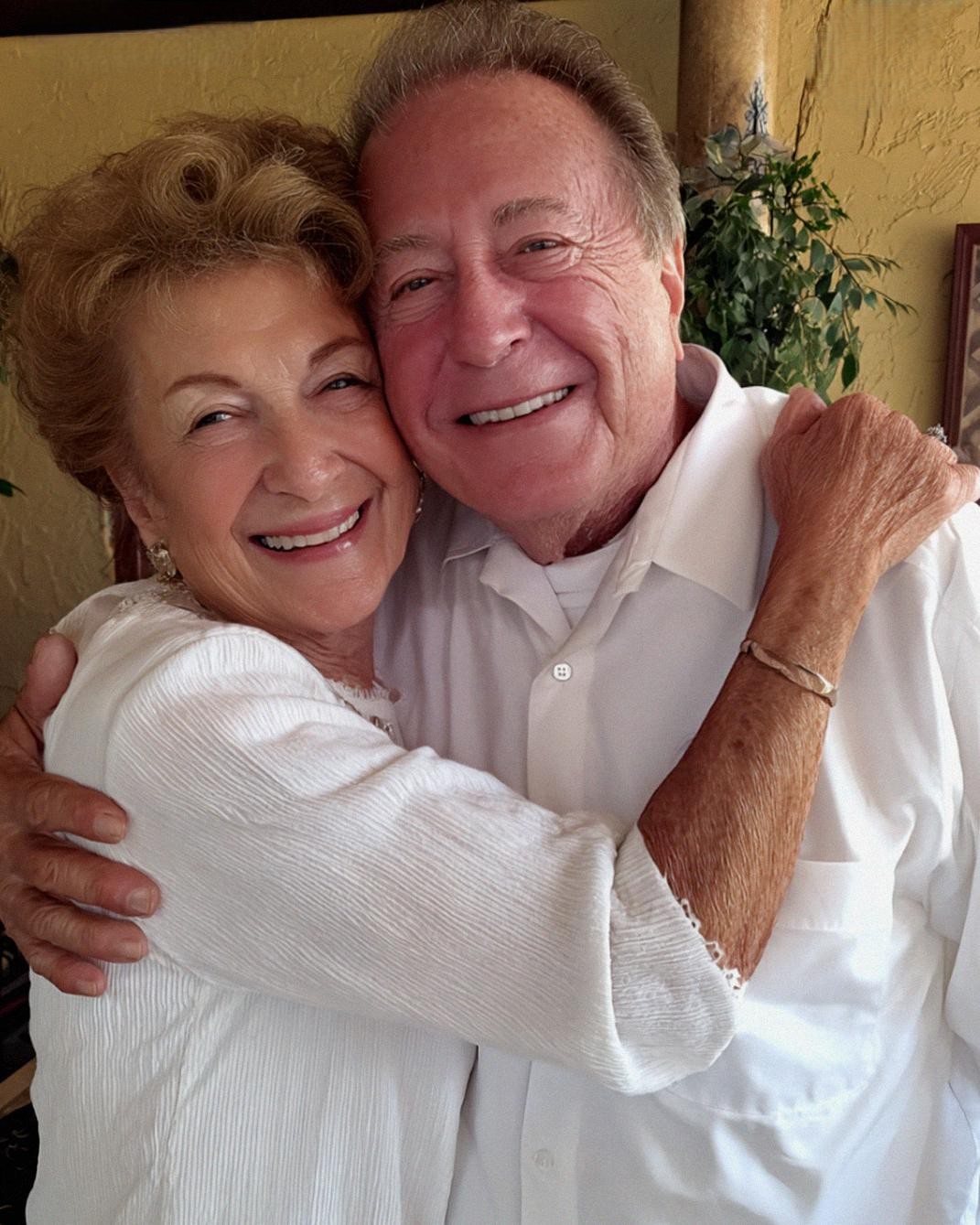
At seventy-one, I believed I had finally weathered the harshest storms of grief. Two years earlier, my husband, Conan, had been taken from me in an instant on Route 7, struck by a drunk driver who disappeared into the night. The aftermath left a hollow, echoing silence that threatened to consume me. I survived only because of Charles. He had been Conan’s oldest friend, a constant presence in our lives since they were boys playing in the dirt. Charles became my anchor—handling funeral arrangements when I could barely breathe, bringing over casseroles I didn’t have the heart to eat. Always steady, never demanding, endlessly kind.
Over time, our shared mourning turned into a quiet, comforting companionship. We would spend hours on the porch, speaking of Conan until memories felt like warmth instead of weights. When Charles eventually proposed, it felt natural, even beautiful—a way to embrace the twilight of our lives with laughter again. Our children and grandchildren rejoiced, seeing it as a tribute to enduring friendship and a sanctuary for two people who had already suffered so much.
But the shadow began to creep in on the day of our wedding. During our first dance, as soft music played and our families watched with tearful smiles, I felt a tremor in Charles’s hand. His smile seemed fragile, a practiced mask that never reached his eyes. When I asked if he was okay, he blamed nerves, but a knot of unease settled deep in my stomach. On the drive home, the silence was heavy, haunted.
Once inside our home, the mood shifted from celebration to mourning. Charles retreated to the bathroom, and through the door I heard the unmistakable sounds of a man breaking. When he finally emerged, his eyes were bloodshot, his face pale. Sitting on the edge of the bed, he told me he didn’t deserve my kindness. He confessed that on the night Conan died, he had called him in panic. Conan, ever loyal, rushed to help—and ended up directly in the path of the fatal driver.
Charles wept as he claimed responsibility, and I held him, telling him it was a tragic accident, not a crime. Yet, even as he seemed to unburden, I sensed an unfinished edge to his story.
In the following days, Charles became a ghost in our home. He would leave for long walks, returning ashen, faintly smelling of antiseptics and hospital corridors. My intuition, honed by decades of life, told me something was hidden. One afternoon, I followed him and watched him enter the local hospital. Heart hammering, I slipped through the doors and eventually found him in a consultation room, door ajar.
I froze in the hallway as I overheard the doctor explaining that his heart was failing. The damage had begun the night Conan died, and without a high-risk surgery, his decline would be terminal. When I opened the door, the shock on his face was absolute. I stepped in, identified myself as his wife, and demanded the whole truth.
Charles slumped, shoulders heavy, and finally revealed the final piece. Two years ago, on the night of the accident, he wasn’t just anxious—he was having a heart attack. He had called Conan for help, but a neighbor found him first and summoned an ambulance. Charles awoke in the ICU to learn that Conan had died rushing to save him. The guilt had weighed on him ever since, eating at his heart. Over the last two years, he had stayed close to me, trying to atone, eventually falling in love while living under the shadow of his mortality.
He hadn’t told me before the wedding because he didn’t want pity. He wanted me to marry the man he was, not the patient he had become. He feared I would see him as the reason Conan was gone—or worse, a man soon to leave me as well.
Looking at him, I felt a fierce, protective love. “I didn’t marry you out of pity, Charles,” I said steadily. “I married you because you are my partner. And we will face this together.” There was no room for past ghosts to dictate our time. The guilt poisoning his heart had to be purged along with the blockage itself.
In the weeks that followed, I became his researcher, advocate, and nurse. We told our children, who rallied around us with surprising strength. On the day of his surgery, I waited for six agonizing hours, reflecting on the strange, winding path that led here. Life rarely follows a straight line; it is a tapestry of grief, coincidence, and unexpected grace.
The surgery was a success. Two months later, we stood together at Conan’s grave, daisies in hand—his favorite. Holding Charles’s hand, I realized that loving him didn’t diminish my love for Conan. In fact, it honored Conan’s final act: dying trying to save his best friend, leaving him alive to care for me.
Statistically, major cardiac procedures for older adults have high success rates, but for us, only one number mattered: one life reclaimed together. We left the cemetery not as two people haunted by tragedy, but as two people carrying our shared history forward. Grief had led us to a new kind of love—one not built on youthful illusions, but on the hard-earned truths of age and the enduring power of a promise kept.