Hi, I’m Lucy. I’m 32, and for most of my adult life, I thought I had everything I needed: a cozy home, a stable job as a billing coordinator, a comforting routine, and a husband who kissed my forehead every morning as though it was the most natural thing in the world. Oliver used to slip little notes into my lunchbox—silly doodles, “I love you” messages, reminders to drink more water. It wasn’t anything spectacular, but to me, it was everything. Quiet joy. Predictable comfort. A life I trusted.
I’m the oldest of four sisters, so chaos has always been familiar to me. Judy, two years younger, was the pretty one with blonde hair and a smile that could get her anything she wanted. Lizzie was the brain—calm, persuasive, and calculated enough to talk her way out of anything. Then there was Misty, the youngest and most dramatic, who had a knack for turning everyday moments into full-on performances. I was the responsible one. The fixer. The one Mom relied on to keep everything in line.
Maybe that’s why Oliver felt like such a relief. He was steady, kind, and practical. He grounded me. After a few years together, we had routines we cherished, inside jokes no one else understood, and a future that seemed secure. When I got pregnant, it felt like the final piece falling into place. Our daughter, Emma, would kick around eight every evening. I’d sit on the couch with my hand on my belly, and Oliver would rest his head on my lap, whispering to her.
Then one Thursday evening, everything shattered.
Oliver came home late, standing in the kitchen doorway, his hands clenched. I was cooking stir-fry, the pan sizzling behind me, when he whispered, “We need to talk.” I thought maybe he’d lost his job or dented the car, but the fear on his face told me this wasn’t something fixable.
“Judy’s pregnant,” he said.
At first, I laughed. Not because it was funny, but because my brain refused to comprehend the words. When he nodded, the world tilted. I felt Emma kick, and for a moment, I couldn’t breathe.
He told me they had “fallen in love,” and that he didn’t want to lie anymore. He wanted a divorce so he could be with her. He begged me not to hate her, as if that were a reasonable request.
Three weeks later, after sleepless nights and stress so heavy it almost suffocated me, I lost Emma. A sterile hospital room. A quiet apology from a nurse. No husband. No sister. No hand to hold. Just me, empty and shaking.
I didn’t hear from Oliver except for a short text saying he was “sorry for my pain.” Judy sent a single message: “I’m sorry you’re hurting.” No acknowledgment of the cost of her betrayal. No remorse. Just empty words.
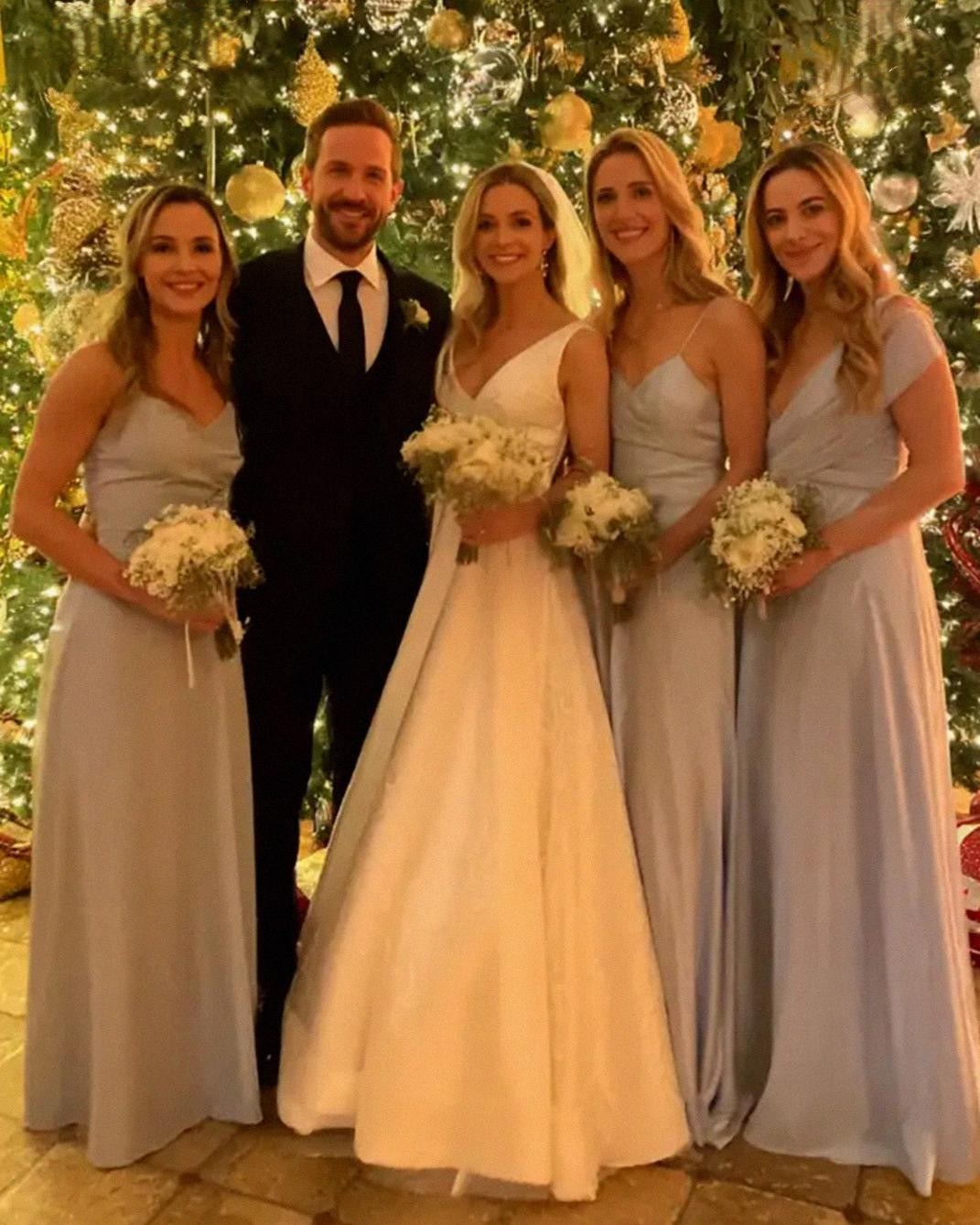
Months later, they announced their wedding. My parents, in an attempt to maintain some sense of normalcy, paid for it. A 200-guest event at the fanciest venue in town. They said it was “best for the baby.” They sent me an invitation like an afterthought.
I didn’t go. Instead, I stayed home wearing Oliver’s old hoodie, distracting myself with bad romantic comedies. I told myself the wedding didn’t matter. Their choices no longer affected me. I’d already survived the worst.
At 9:30 that night, Misty called. Breathless. Laughing. Shaking with a kind of adrenaline I hadn’t heard from her in years.
“Lucy,” she said, “get dressed and drive to the restaurant. You need to see this.”
Ten minutes later, I was in my car.
When I arrived, guests stood in clusters outside, whispering and staring at the entrance. Inside, the air felt heavy, charged. People craned their necks, murmuring, some horrified, others suppressing smirks.
And then I saw it.
Judy stood in the center of the reception hall, her white wedding gown drenched in bright red paint. Her hair hung in wet strands, mascara streaking her cheeks. Oliver stood beside her, his tuxedo completely ruined, red dripping from his sleeves. They looked like characters in a poorly staged crime scene—except the only crime was their arrogance finally catching up to them.
At first, I panicked, thinking it was blood. But the sharp chemical smell told me otherwise.
Misty found me and dragged me to a quiet corner, already pulling up a video on her phone. “Lizzie did it,” she whispered, barely containing her excitement. “Just watch.”
The video began during the toasts. Judy was smiling with glassy eyes, Oliver grinning smugly. Then Lizzie stood. Calm. Composed. Radiating a kind of fury so controlled it was almost graceful.
“Before we raise our glasses,” she said, “there’s something you should know about the groom.”
The room went still.
“Oliver is a liar. He told me he loved me. He told me he’d leave Judy. He told me to get rid of the baby because it would ruin everything.”
Guests gasped. Judy shot to her feet, shouting, but Lizzie didn’t flinch. Her voice remained clear and unwavering.
“And Lucy lost her baby because of him. He breaks people. That’s all he does.”
Judy screamed, but Lizzie didn’t waver. She reached under the table, grabbed a silver bucket, and in one smooth motion, poured red paint over Oliver and Judy.
Misty ended the recording with a grin. “Lizzie walked out like a queen,” she said. “Didn’t look back once.”
I stood there in stunned silence, unsure if I wanted to cry or laugh. Maybe both.
After that night, everything shifted. The wedding collapsed. My parents scrambled to save face. Oliver disappeared from town gossip. Judy retreated into silence. Lizzie apologized to me weeks later, explaining everything through tears. And I—finally, after losing Emma—felt something close to relief.
I adopted a cat. Started therapy. Took long walks during my lunch breaks again. I learned how to exist without trying to bend myself into shapes that made everyone else comfortable.
I stopped being the dependable one at my own expense.
People say karma doesn’t always come. That sometimes you have to accept justice might never arrive.
But that night? Watching Judy scream, seeing Oliver slip in wet paint, watching the truth explode in front of everyone who enabled their betrayal?