I’m Lauren. I’m 37. And I’m not dramatic by nature—which is exactly why it took me ten years to admit the truth: my marriage to Derek wasn’t a partnership. It was a service contract I never agreed to, with me doing all the labor while everyone else enjoyed the perks.
We have three kids—Emily, seven; Max, five; and Lucy, two. I was on maternity leave, sleep-deprived, living in a loop of snacks, wipes, laundry, and negotiations with tiny humans who didn’t care that I hadn’t sat down in six hours. I was exhausted, but I still believed in “us.” I still believed marriage meant carrying the weight together.
Then Derek made a casual little announcement over dinner that shattered that belief.
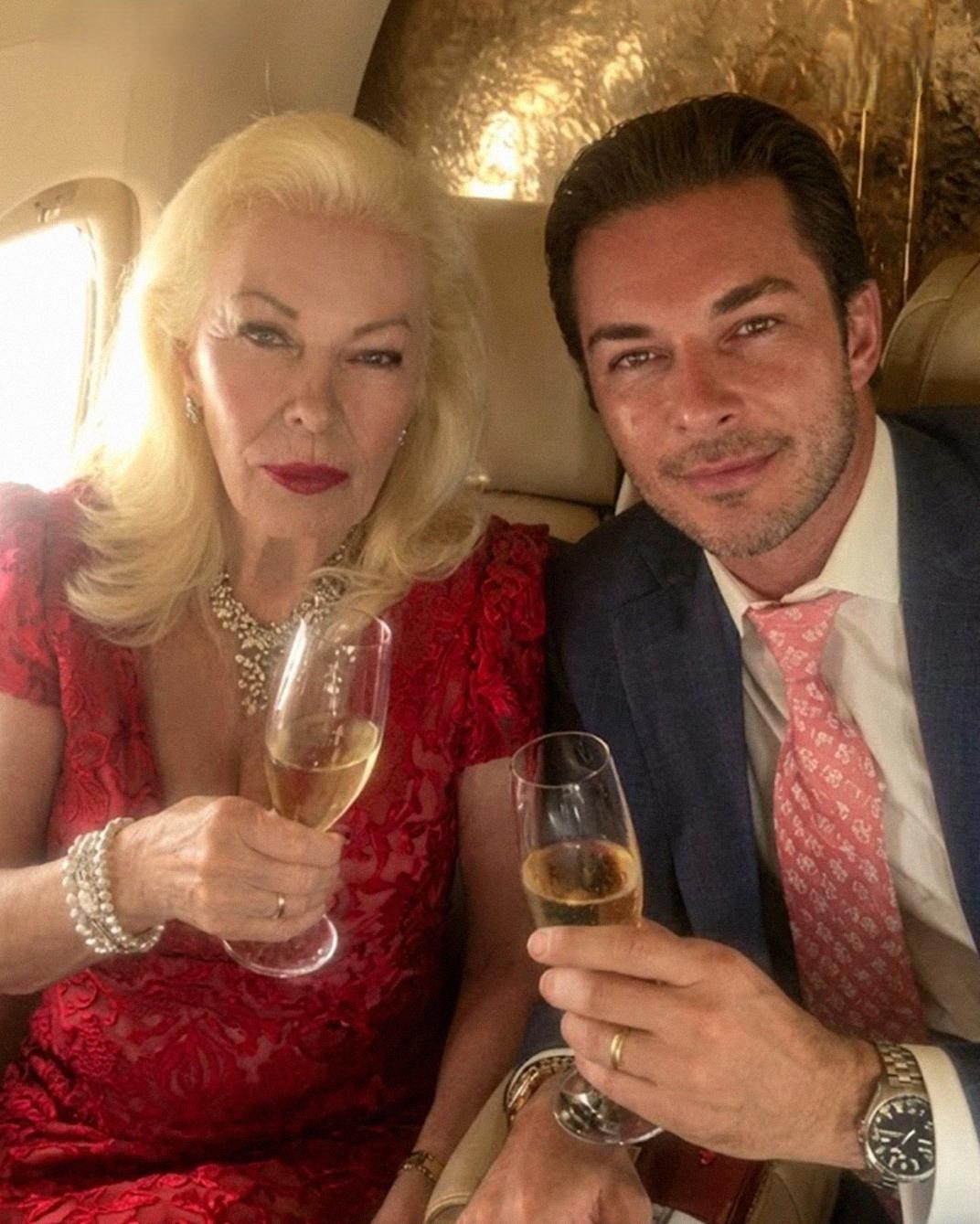
“I got the tickets,” he said, scrolling his phone while I cut Lucy’s chicken into microscopic pieces. “Business class for me and Mom.”
I looked up, waiting for a punchline. “Okay. And for me and the kids?”
“You’ll fly economy,” he said. “With the kids.”
It wasn’t just what he said. It was how he said it—as if he were assigning seats at a movie theater, not splitting a family into two separate worlds.
I stared at him. “Are you serious?”
He finally met my eyes, calm as ever. “Either that, or you don’t go. Take it or leave it.”
The fork slipped from my hand. Emily looked up, sensing something had shifted. Max asked for more juice. Lucy smeared food across her cheek like paint. Life kept moving while something inside me went cold.
Derek leaned back, explaining as if I were slow. “It’s practical. Mom wanted quality time with me, and you’ll be more comfortable with the kids anyway.”
Comfortable. That word had teeth.
“So you and your mother get champagne and legroom,” I said, “and I get a six-hour flight alone with three kids.”
He shrugged. “Mom paid for the business seats. It’s basically a gift.”
“For whom?” I asked, but he had already gone back to his phone.
The week before the trip was a preview of the rest of my life if I kept pretending this was normal. I woke up at five each morning packing snacks, stuffing crayons into carry-ons, tracking down lost shoes, and wrapping gifts during nap windows that never lasted long enough. Meanwhile, Derek and his mother, Cynthia, floated through the house as if it were a spa.
Cynthia arrived a few days before departure with glossy shopping bags from stores I hadn’t even walked past. She pulled out matching cream cashmere scarves like they were treasures.
“Derek and I simply must coordinate,” she said, smiling. “We’ll look so elegant in the business lounge.”
I was elbow-deep in diapers, trying to figure out how to cram two sippy cups and three sets of backup clothes into one bag without losing my mind.
She gave me that smile she always used when she wanted to sound kind but meant something else. “Oh, Lauren, don’t look so glum. Economy isn’t that bad. Besides, you’ll have the children to keep you busy.”
Busy. Like they were a hobby.
I didn’t fight her. I didn’t fight Derek. I did what I’d always done—swallowed it, made the logistics work, protected the mood in the house like it was my job. Looking back, that silence wasn’t peace. It was permission.
The morning of the flight, Derek and Cynthia showed up at the airport looking like they’d slept eight hours and had someone else manage reality. Derek kissed my cheek quickly, eyes already on the business lounge.
“Have fun,” he said.
Fun. I stood there with Emily clinging to my leg, Max begging for snacks, Lucy already crying, and a stroller that felt like it weighed a hundred pounds.
The flight was six hours of survival.
Ten minutes after takeoff, Emily’s screen froze. She cried like the world had ended. Max rejected every snack I offered, then screamed that he was starving. Lucy threw up on my coat, then on my shirt, then somehow into my hair. The woman across the aisle stared at me like I was personally ruining her life. I apologized until the word lost all meaning.
At some point, my phone buzzed. Derek’s name lit up the screen. For a moment, I thought maybe he was checking on us. Maybe he remembered he had a family.
His message read: “Hope they’re good. Lol! :)”
Something inside me cracked. Not sadness. Clarity.
I didn’t answer.
When we landed, I dragged three exhausted kids through the airport while Derek and Cynthia glided past, laughing as if they’d just returned from a retreat. Cynthia announced loudly that the champagne had been “divine.” Derek agreed with enthusiasm. Not once did either of them lift a bag, hold a stroller, or offer to help.
That trip was a blur of noise and humiliation. Every day, I wrangled the kids through crowded streets and attractions designed for adults who didn’t carry tantruming toddlers in winter boots. I didn’t shower alone once. I didn’t eat a hot meal. I didn’t rest.
Meanwhile, my phone kept lighting up with pictures Derek posted—private ski chalet, lobster dinners, mountain overlooks, cozy fires, two smiling faces that looked free. He never invited me. Never asked if I needed a break. Didn’t even pretend.
I felt invisible to him. Worse, I started to feel invisible to myself.
On the last evening, in our cramped hotel room, Cynthia knocked and walked in like she owned the air. Lucy was on my hip, whimpering. Emily and Max were arguing over a toy.
Cynthia didn’t look at them. She looked at me.
“I hope you enjoyed the trip, Lauren,” she said, sweetness dripping like syrup.
Then she placed a folded piece of paper on the coffee table. “Here’s what you owe me.”
I blinked. “What?”
“The costs, honey. For the trip.” She spoke slowly, as if explaining math to a child. “Derek and I covered everything. You’ll reimburse it.”
My hands shook as I unfolded the paper.
Business-class flights: $3,400 each.
Economy tickets: $750 each, times three.
Hotel, meals, excursions.
Total: $6,950.
“You want me to pay for this?” I asked, vision narrowing.
She leaned back, satisfied. “Of course. You don’t work, Lauren. If you don’t have it, borrow from your parents. Think of it as a loan.”
That’s when I realized what Derek really was: not clueless, not overwhelmed, not accidentally inconsiderate. He was trained. Cynthia had raised him to believe women exist to absorb discomfort quietly—and pay, in money or effort, for the privilege of being included.
I looked at her and smiled, calm as ice. “I’ll take care of it.”
She left, pleased with herself. And I sat down and started taking my life back.
I didn’t explode. I didn’t scream. I didn’t beg Derek to see reason. I stopped expecting decency from people who had benefited from my silence.
When we got home, I built a plan the way I built everything else in that family: carefully, fully, and without help.
First, I gathered proof: messages, posts, dates, screenshots—every little moment where Derek publicly lived like a king while I handled the children like unpaid staff.
Then I called a lawyer.
Then I opened an account in my name and moved the money I needed to protect myself and the kids. Not to be petty—because I finally understood that the person who sees you as expendable will not suddenly become fair when you’re leaving.
A week later, I confronted Derek. No tears. No shouting. Just the truth.
“You flew business with your mother while I managed three kids in economy,” I said. “Then your mother handed me a seven-thousand-dollar bill. I’m done.”
He went pale. “Lauren, my boss—someone called him and… can we just talk about—”
“No,” I said. “You don’t get to make me carry everything and then act shocked when I stop.”
I handed him the papers. “You’re moving out. I’m filing for divorce. Custody will be handled through the court.”
He stared at me like I’d transformed into a stranger. That was fine. I’d been living with a stranger for years.
Cynthia showed up soon after, furious, expecting her money and control. I met her at the door like I’d been waiting my whole life to stop being intimidated.
“I don’t have your $6,950,” I said pleasantly. “But I do have something else.”
I played the recording I’d made of her hotel visit. Every sneer. Every demand. Every word that proved exactly who she was. Her face changed from smug to horrified.
“I sent it to the family group chat,” I told her. “And to the people you care about impressing. Now they know what you’re like when you think no one’s watching.”
She shook with rage. “You’ll regret this.”
“No,” I said. “You will.”
Christmas morning in our house was quieter, simpler, and real. Pancakes. Pajamas. Kids laughing without tension in the air. Emily looked up at me with syrup on her chin and said, “Mom, this is the best Christmas ever.”
Max agreed. Lucy clapped sticky hands like she was applauding freedom.
Derek called later, voice broken, begging. He said he loved me. He said he made a mistake.
“You had ten years to choose your family,” I said. “You chose convenience. Goodbye.”
We weren’t rich. We didn’t have champagne or business-class seats. But we had something better: dignity, peace, and a home where love doesn’t come with a receipt.
The moment I stopped accepting less than I deserved wasn’t revenge. It was a return to myself.