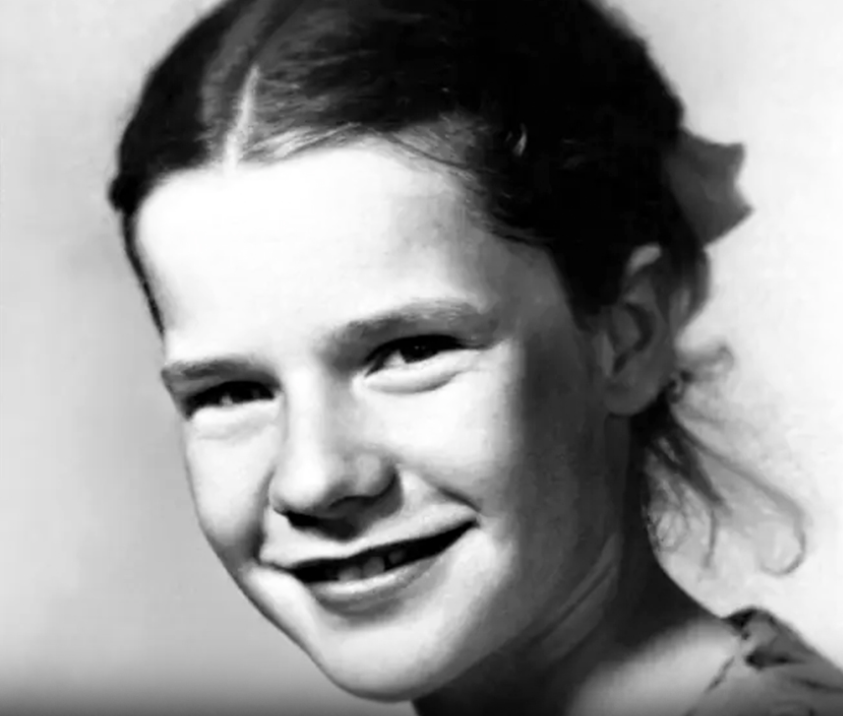
She was branded “too ugly” for the spotlight long before anyone had heard her sing. In the hallways of her small Texas school, whispers followed her like shadows. Students pointed, laughed, and cataloged every blemish, every scar, every hint of awkwardness as if it were proof that she didn’t belong. They crowned her the “ugliest man on campus,” a cruel joke meant to humiliate, to remind her of her supposed place in the world: on the outside, invisible, silent. Teachers occasionally tutted but said little. Parents shook their heads and hoped she would “learn to fit in.” Yet under the wild hair, the heavy eyes that carried a lifetime of hurt, something fierce was already growing—a voice that could shatter glass, rip through conventions, and leave the world trembling.
From her earliest days, Janis Joplin was drawn to the music that reflected what she felt inside. Jazz records spun endlessly in her bedroom, blues guitar licks weaving through the corners of her mind. She didn’t need approval to know that a wail, a bend in a note, a raw cry from the soul, could express what words never could. In a town still clinging to old prejudices and rigid ideas of femininity, she chose the outcasts, the misfits, the people who carried grief or longing quietly under their sleeves. She collected sorrow like gems, mined the pain she was told to hide, and transformed it into sound. Each insult, each sneer, each taunt about her acne, her awkward limbs, her unconventional looks, became fuel for the fire in her chest, feeding the voice that refused to be tamed.
Her adolescence was marked by the tension between yearning for acceptance and understanding her own power. She tried to navigate classrooms, dances, and social circles that saw only the surface, not the lightning that burned within her. Boys laughed at her, girls whispered behind her back, and yet she never stopped reaching for music. Hours spent practicing, experimenting with phrasing and tone, were hours she felt fully herself. The world outside was cruel and dismissive, but when she picked up a record, a guitar, or later a microphone, she felt untouchable. Every heartbreak she endured, every moment of rejection, became texture in her art, shaping a voice that would speak to anyone who had ever been ignored, marginalized, or mocked.
By the time she hit the stage, the world had underestimated her for far too long. Janis didn’t look like the polished pop idols the labels wanted. She had scars on her skin, on her face, in her history. But she commanded the stage with a presence that could not be denied. When she sang, she became both vulnerable and untouchable at the same time—her pain transmuted into something luminous, a force that touched every corner of the audience’s soul. She roared, she whimpered, she laughed and cried in the same breath, and the crowds responded with devotion that no beauty standards could ever earn. Her voice shattered norms, her energy transcended labels, and the world suddenly reconsidered what power looked like.
Offstage, Janis was still human, still yearning for love, approval, and normalcy in a life that never offered her either easily. She wrote letters home, trying to explain the dizzying blend of fame and loneliness she carried. She wanted her parents to be proud, though they were often baffled by the ferocity of her ambition. She longed for connection, for someone to see the girl behind the firestorm of talent. Even in triumph, she wrestled with isolation and the sense that no accolade could fully fill the gaps of her childhood and adolescence. Fame could amplify her voice, but it could not soothe the rawness she had carried from a small Texas town to stages across the world.
Her life burned fast. At 27, she died clutching a cigarette, the smoke curling upward like the echo of a life lived at full volume. And yet, her story did not end with her death. The power of her music, the authenticity of her spirit, continues to resonate. She became a beacon for the misfits, the misunderstood, the ones who have been told they are not enough because of the shape of their bodies, the marks on their faces, the awkwardness of their manner. Janis Joplin’s roar reminds them that identity, power, and worth are not dictated by appearances. You are not your scars. You are the fire inside you, the sound that breaks chains, the voice that refuses to be silenced. Every note she left behind is a lifeline to those who have ever felt invisible, a promise that even in a world that misunderstands, your soul can be seen, heard, and celebrated.
Janis Joplin’s legacy is not just about music; it’s about rebellion against cruelty, against conformity, and against the idea that beauty is the prerequisite for recognition. Her life, her struggles, and her triumphs continue to teach a lesson: authenticity is power, vulnerability is courage, and the scars we carry can become the very instruments through which we change the world. She transformed a lifetime of exclusion into art that refuses to let anyone sit quietly in the shadows. Her voice, wild, ragged, and unapologetic, is a map for anyone who has been told they don’t belong—proof that even the “ugliest” can shine, roar, and leave a mark that time cannot erase.