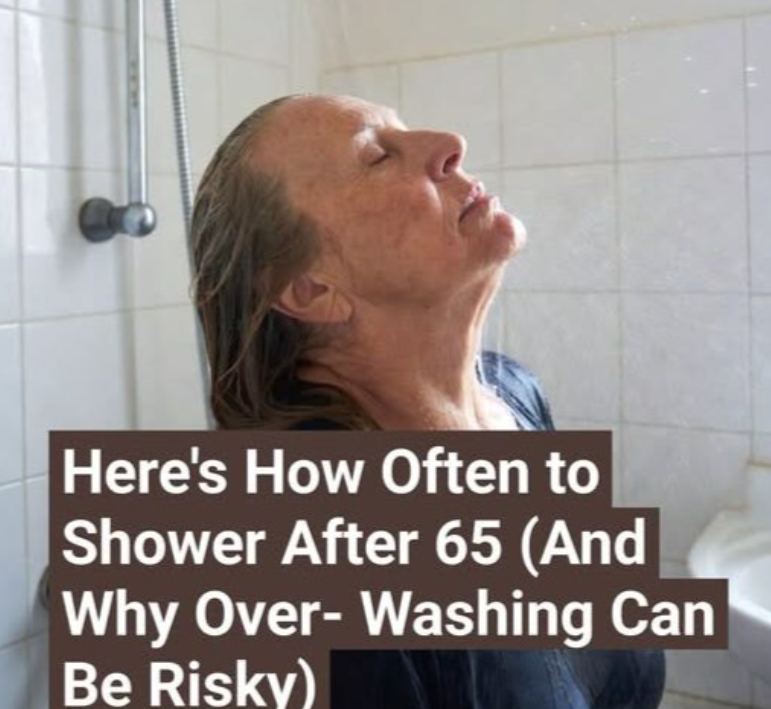
As we move into the later stages of life, many everyday habits need small adjustments to match the body’s changing needs. One routine that often requires reconsideration is personal hygiene—especially how often and how we shower. For people over the age of 65, it’s common to notice that the skin becomes tighter, itchier, or more sensitive than before. This isn’t unusual; it reflects natural biological changes. The hygiene habits that worked well decades earlier may no longer suit the more delicate nature of aging skin. Learning why these changes occur can help maintain comfort and skin health in the senior years.
After the age of 65, the skin experiences more than just visible wrinkles. Its overall structure gradually changes. With age, the skin becomes thinner through a process known as atrophy. The dermis slowly loses collagen and elastin—the proteins that provide strength and flexibility. At the same time, sebaceous glands produce fewer natural oils that normally protect and seal the skin. As a result, the skin barrier weakens. Younger skin can quickly restore moisture after washing or scrubbing, but older skin cannot recover as easily. When this barrier becomes fragile, moisture escapes more readily, and the nerves beneath the surface become more sensitive to irritation.
For many people, a long hot shower feels relaxing and soothing, especially for stiff joints or to start the day feeling refreshed. However, for those over 65, very hot water can be a major cause of persistent dryness. High temperatures strip away the lipids that help keep skin hydrated. The problem becomes worse when traditional soaps or strongly scented body washes are used. Many common soaps are alkaline and can disturb the skin’s natural pH balance. When hot water is combined with harsh cleansers, it often leads to xerosis—commonly known as severe dry skin—which appears as rough, flaky, or reddish patches and can develop into more serious irritation if ignored.
Because of these changes, many dermatologists and geriatric health specialists suggest that daily full-body showers may not always be necessary for older adults. For someone with a typical activity level, showering every other day—or even three times per week—can be enough to maintain cleanliness while protecting the skin’s natural moisture. On days without a full shower, a simpler approach works well: washing key areas such as the face, underarms, and groin with a damp cloth. This “spot cleaning” method keeps the body fresh while allowing the skin’s natural balance to remain intact.
When taking a full shower, technique matters as much as frequency. The time spent under running water should ideally stay between five and ten minutes. Longer exposure increases the chance of dehydrating the skin. Water should be lukewarm rather than hot—similar to the temperature of a warm swimming pool. The tools used during bathing are also important. Rough items like loofahs, pumice stones, or abrasive cloths can create tiny tears in fragile skin. Using a soft microfiber cloth or simply applying cleanser with your hands is a gentler and safer option.
Selecting the right cleansing products is another key part of a skin-friendly routine for seniors. Many popular soaps contain fragrances, alcohol, or dyes that can irritate aging skin. Instead, mild synthetic cleansers—often called “syndet” bars—or creamy soap-free products labeled fragrance-free and hypoallergenic are better choices. These cleansers remove dirt and sweat while preserving the skin’s protective oils. It is also unnecessary to soap the entire body each time. Limiting cleanser to odor-prone areas such as the underarms, feet, and groin allows other areas—like the legs and arms—to keep their natural moisture.
The most important step for skin care happens immediately after the shower. Dermatologists often refer to this as the “soak and smear” method. After turning off the water, gently pat the skin dry with a soft towel instead of rubbing it. While the skin is still slightly damp, apply a moisturizer. The remaining moisture helps spread the product more evenly, and the moisturizer locks water into the skin. As skin ages, light lotions may no longer provide enough protection. Thicker creams and ointments work better because they contain more oils. Ingredients such as ceramides help rebuild the skin barrier, while glycerin or hyaluronic acid attract moisture, and substances like shea butter or petrolatum create a protective layer that keeps hydration from escaping.
External conditions also influence how often bathing should occur. In winter, indoor heating systems dry the air and can worsen skin dryness, meaning less frequent washing and more moisturizing may be needed. During humid summer months, however, quick rinses might be helpful to remove sweat and salt. Paying attention to your skin’s signals is essential. If it becomes itchy or looks dull and ashy, it may indicate that your washing routine is too harsh.
Safety is another important factor for adults over 65. Bathrooms are among the most common places where household accidents happen. Adjusting shower habits can also improve overall safety. Showering less often reduces the number of times you need to step onto wet, slippery surfaces. For those who still enjoy daily bathing for relaxation, installing supportive features like a shower chair or a handheld showerhead can make the experience safer and less physically demanding.
Adopting a more thoughtful hygiene routine is ultimately a form of self-care. It reflects the understanding that the body’s needs change over time. By choosing lukewarm water, gentle cleansers, and regular moisturizing, you can protect your skin from dryness, irritation, and infection. Healthy skin contributes greatly to overall comfort and well-being. Treating it gently will help you stay comfortable and confident in the years ahead. If dryness, itching, or redness persists despite these adjustments, consulting a dermatologist is recommended to rule out conditions such as eczema or psoriasis. Small preventive steps today can make a significant difference in maintaining comfort and quality of life later on.