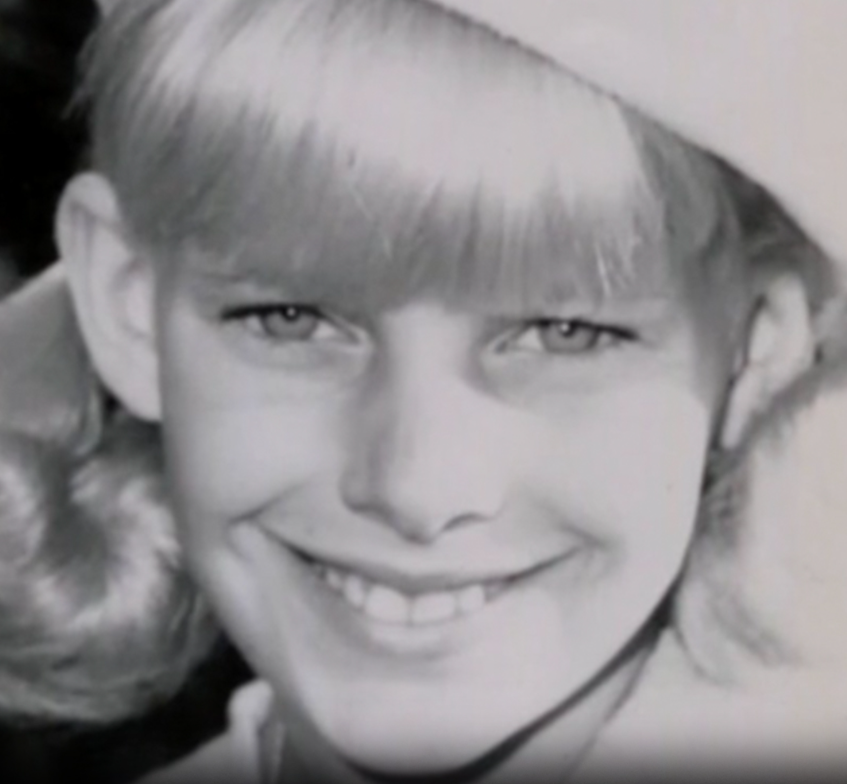
The little girl in the photograph should have grown up to save lives. The kind of child who instinctively reaches for the fallen, who nurses scraped knees with tender care, who smiles warmly at those around her. Instead, she grew into a figure that the world could not predict, a person whose hands, once capable of gentle comfort, became instruments of destruction. She wrapped them around fragile throats, gripping tightly enough to extinguish life but quietly enough to go unnoticed for months, years, and decades. On the surface, neighbors, coworkers, and casual acquaintances saw a different version of her entirely: a glamorous nurse who walked with authority and grace, an athletic daredevil who thrived on risk and attention, a devoted friend who was always ready with a comforting word or thoughtful gesture. They never saw the shadow lurking beneath. Police, investigators, and even the most diligent observers saw nothing at all—at least, not until the credit cards began screaming, until the fraudulent charges, extravagant purchases, and sudden financial drain revealed a sinister pattern that could no longer be ignored. Shopping bags piled high with designer goods, strangled widows whose final breaths went unnoticed by anyone but the predator among them, and whispered words meant to soothe—“Relax…”—all these small details coalesced into a picture far darker than anyone could have imagined. Her mask didn’t simply crack under scrutiny. It shattered into pieces that left no room for doubt about the dual life she led.
Dana Sue Gray’s life reads like a script torn in half, each page offering a starkly different narrative. On one side stands the woman society was meant to admire: the driven nurse who dedicated herself to the well-being of others, the fearless athlete who threw herself into every challenge with unmatched vigor, a figure shaped by a turbulent childhood, the early loss of loved ones, and an almost desperate hunger to seize control over her life in any way she could. She pursued perfection outwardly, excelling in her career, maintaining a disciplined athletic routine, and presenting a version of herself that seemed capable, organized, and unstoppable. Yet, on the other side, hidden from prying eyes, lived a predator of chilling precision. This side of Gray was the person who quietly entered unlocked doors in quiet retirement communities, stepping through hallways filled with unassuming elderly residents. With disarming charm and a practiced sense of empathy, she won their trust, perhaps even evoked their fondness, until she was close enough to exert control. Then, in those intimate, private spaces where no one else could intervene, she enacted her dark impulses: strangling, silencing, and taking for the thrill of immediate gratification. The acts themselves were methodical, almost ritualistic: her victims’ final moments were followed by indulgent purchases that seemed almost absurd in their contrast—spa treatments, expensive perfumes, shopping sprees—pleasures meant to numb the chaos raging inside her, to replace the emptiness with a fleeting, hollow satisfaction. Each act of consumption became a grotesque punctuation mark, a reminder of the control she wielded and the private power she extracted from the lives of others.
The juxtaposition between the two halves of Gray’s existence is unsettling precisely because it demonstrates how easily monstrosity can hide behind normalcy, behind smiles, behind meticulously maintained appearances. The neighborhood knew her as friendly, approachable, glamorous. Friends knew her as adventurous, fearless, vibrant. But beneath these layers lay a careful orchestration of deception, patience, and cold calculation. Every friendly gesture, every laugh shared over coffee or in conversation, became another brushstroke in a carefully crafted portrait of trust. She understood human behavior deeply enough to manipulate it, to twist perception in her favor, and to exploit the vulnerabilities of those who had placed their faith—and, in some cases, their lives—into her hands. Her existence became a cautionary tale about the duality of human nature, about the terrifying possibility that someone capable of love, skill, and charm can simultaneously harbor a compulsion for harm that is methodical, deliberate, and deeply disturbing.
Now, decades later, Dana Sue Gray sits behind bars, serving a life sentence without the possibility of parole. Yet even in the confines of prison, her story continues, not merely as a headline or a footnote in true-crime journalism, but as a living, complex narrative of remorse, reflection, and advocacy. She speaks as an aging inmate, not to glorify her crimes, but to argue for the women who have been abandoned, overlooked, or mistreated by a system that too often fails the most vulnerable. She insists that she has changed, that decades of sleepless nights have been haunted by regret and the shadow of her actions, that she remains awake at night remembering, reflecting, and attempting to reconcile the dissonance between the person she once was and the choices she made. Whether one believes her or not, the echo of her decisions reverberates far beyond the prison walls: in grieving families who can never undo their losses, in communities made fearful by the knowledge that trust can be weaponized, and in the unsettling awareness that monsters can, and often do, walk unnoticed among us, cloaked in charm, discipline, and the illusion of normality. Gray’s life is a mirror reflecting uncomfortable truths about human nature, societal perception, and the fragile line between outward appearance and hidden intent—a line that, once crossed, leaves consequences that ripple through generations.